
R&D Ergo new logo

ERGONOMIC SOLUTIONS FOR OVER 25 YEARS.

To serve you better | Now merging service and customer support with our sister company Liftsafe Engineering and Service Group.

2026 Best Lifting Equipment for Global Buyers?

Global buyers entering 2026 face a lifting market shaped by infrastructure spending, warehouse automation, stricter safety expectations, and tighter procurement budgets. Grand View Research valued the global material handling equipment market at approximately USD 216.6 billion in 2023. It also projects continued growth through 2030. Lifting Equipment is no longer judged by rated capacity alone. Buyers must examine duty cycles, operating environments, energy use, controls, and after-sales support.

Safety comes first. The International Labour Organization reports that nearly three million workers die annually from work-related causes worldwide. This reality makes traceable inspections and operator training essential. ISO 4309 provides guidance for wire-rope inspection, discard criteria, and maintenance. ISO 9927 also supports crane inspection practices. These references cannot replace competent local professionals, but they create a reliable starting point for technical comparisons.

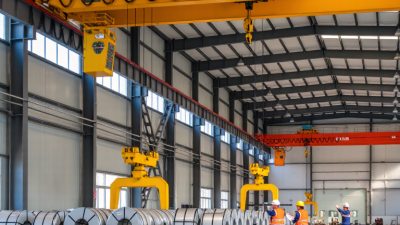
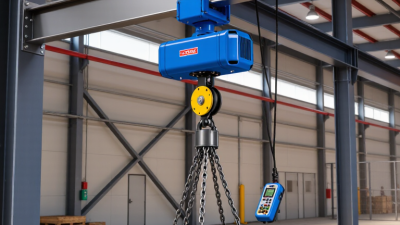
The best choice may be an overhead crane for a steel plant, a chain hoist for controlled workshop lifting, or a mobile crane for changing outdoor sites. Details matter. Buyers should verify working load limits, test certificates, spare-parts availability, emergency stops, and compatibility with national regulations. A low purchase price can become expensive when a gearbox fails and support takes weeks. Not every quote wins. Some published market figures use different product definitions, so comparisons remain imperfect. This guide evaluates leading Lifting Equipment options through practical performance, documented safety, lifecycle cost, supplier credibility, and global service readiness. peqata
2026 Best Lifting Equipment for Global Buyers?

What Is Lifting Equipment and Why Does It Matter in 2026?

Lifting equipment includes cranes, hoists, forklifts, winches, slings, and lifting accessories. These tools move heavy loads that workers cannot handle safely by hand. In 2026, global buyers need more than a high load rating. They need equipment matched to the site, workload, climate, and available skills.

A practical assessment starts with the load. Check its weight, shape, center of gravity, lifting points, and travel distance. A steel coil may need different support from a fragile machine. Buyers should verify rated capacity, inspection records, emergency controls, and replacement-part availability. Clear documentation matters when equipment crosses borders or changes operators.

Digital monitoring is becoming more common. Sensors can record overloads, operating hours, vibration, and maintenance needs. This can reduce unexpected downtime, but technology is not a safety guarantee. A poorly trained operator can still make a dangerous decision. A reliable purchase also considers local regulations, certified testing, guarding, noise, energy use, and after-sales training.

Real workplaces often expose weaknesses that product sheets hide. Dust may block sensors. Cold weather can affect batteries. Uneven floors can make a stable lift difficult. Buyers should request realistic demonstrations, not only laboratory figures. The cheapest quotation may become expensive through repairs, delays, or unsuitable accessories. Sometimes, even a careful specification needs revision after the first site trial.

How to Classify Lifting Equipment by Load, Motion, and Worksite

2026 Best Lifting Equipment for Global Buyers?

How to Classify Lifting Equipment by Load, Motion, and Worksite

Choosing lifting equipment should begin with the load, not the catalog image. Record the maximum weight, load shape, center of gravity, and lifting frequency. A 2-ton steel frame may need more capacity than a compact machine because its weight can shift suddenly. Include lifting accessories, hooks, slings, and spreader beams in the total calculation. Experienced buyers also check rated capacity, duty cycle, and load charts from qualified technical sources.

Motion changes the equipment choice. Vertical lifting suits hoists and winches, while repeated horizontal movement may require a crane system or trolley. Combined movement demands smoother controls and careful stability checks. Worksite conditions matter just as much. Measure ceiling height, floor strength, aisle width, power supply, wind exposure, and temperature. Outdoor equipment may need weather protection and corrosion-resistant components. Indoor equipment may need lower noise and precise positioning.

Tips: Ask for inspection records, operating manuals, test certificates, and maintenance schedules. Confirm that documents match local requirements before purchase. Never judge capacity by appearance. A smaller unit may perform better than an oversized one when control and access are critical. However, classifications are not perfect. Real sites change, and workers sometimes provide incomplete measurements. Recheck the lifting path with an experienced engineer before final selection.

Which Lifting Equipment Fits Different Industries and Applications?

2026 Best Lifting Equipment for Global Buyers?

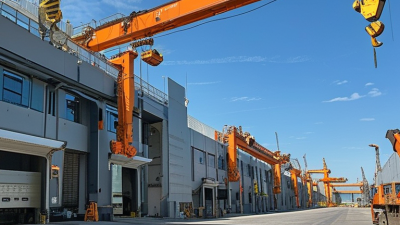
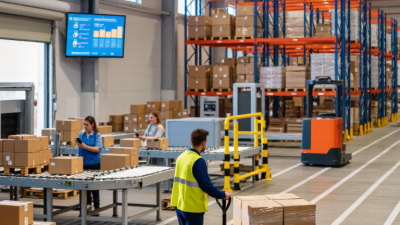
The right lifting equipment depends on the industry, load, movement, and working environment. Construction sites often need mobile cranes for changing locations, while factories benefit from overhead cranes and electric hoists. Warehouses usually require forklifts, pallet stackers, or vacuum lifters for narrow aisles. Ports need heavy-duty gantry cranes and reach stackers for containers.

Application matters more than maximum capacity. A 10-ton crane may fail in a corrosive coastal area without suitable protection. The wrong lifting speed can also reduce production. Mordor Intelligence’s 2024 Material Handling Equipment Market report projects continued market growth through 2029, driven by warehouse automation and industrial expansion. Allied Market Research also identifies construction, manufacturing, and logistics as major crane demand sectors. These trends show opportunity, but they do not replace site testing.

Tips: Check the load chart, duty cycle, lifting height, floor strength, and available power before purchasing. Confirm inspection records and operator training requirements. Ask an engineer to review unusual loads. Cheap equipment can become expensive quickly. I have seen selection teams focus on capacity alone, then struggle with clearance, maintenance access, or unstable flooring. That mistake is easy to repeat. Reliable buyers compare total ownership cost, spare-part access, local service capability, and compliance with recognized safety standards.

What Safety Standards Should Global Buyers Check Before Purchasing?

2026 Best Lifting Equipment for Global Buyers?

Before purchasing lifting equipment, global buyers should verify the standards used in the destination market. ISO 12100 requires documented risk assessment and hazard reduction during equipment design. For control systems, ISO 13849 helps buyers evaluate safety-related performance levels. Lifting accessories should match their intended loads, angles, and connection points. EN 13155 is widely referenced for non-fixed load lifting attachments, while ASME B30 standards apply across many United States projects. Local requirements may still differ.

Look closely at the paperwork. Request the rated capacity, inspection history, material certificates, test records, and operating instructions. The supplier should identify the equipment’s duty class, load path, emergency controls, and environmental limits. A certificate alone is not proof of safe equipment. Check whether an independent body issued it, and confirm that the serial number matches the machine. Small mismatches matter.

The International Labour Organization reported approximately 2.93 million work-related deaths and 395 million non-fatal injuries worldwide in its 2023 report, A Call for Safer and Healthier Working Environments. Those figures show why compliance cannot remain a purchasing checkbox.

In practical reviews, buyers should also inspect welds, hooks, ropes, brakes, and guarding before shipment. Photographs help, but they cannot replace physical inspection. Some procurement teams still accept translated manuals with missing limits. That is a preventable weakness. Have a qualified person verify installation, operator training, and periodic inspection intervals against the applicable national rules.

How to Compare Suppliers, Costs, Technology, and Long-Term Value?

2026 Best Lifting Equipment for Global Buyers?

Comparing suppliers requires more than checking the purchase price. Request load charts, duty classifications, test certificates, and maintenance records. A 5-ton crane lifting 20 loads per shift faces different stresses from occasional warehouse use. Ask about brake design, rope access, spare-part availability, and service response times. The cheapest quotation can become expensive after one extended shutdown.

Total cost should include installation, operator training, inspections, energy use, repairs, and planned replacement parts. The International Labour Organization reported 2.93 million work-related deaths and 395 million non-fatal injuries annually. That figure makes safety verification a commercial issue, not paperwork. Confirm overload protection, emergency stopping, guarding, and traceable inspection procedures against applicable standards. Do not accept unclear certificates.

Technology deserves practical testing. Condition monitoring can record abnormal temperature, vibration, or operating cycles before failure. Variable-speed control may improve positioning and reduce mechanical shock. Yet digital features create new training and cybersecurity demands. The World Economic Forum’s Future of Jobs Report 2025 estimates that 39% of workers’ existing skills may change by 2030. Suppliers should provide usable training, not only software access. Buyers often overvalue dashboards. The spreadsheet is not reality. Require a factory acceptance test, sample maintenance schedule, and written response times for critical faults. A two-year warranty may look strong, but local technicians and stocked components often protect long-term value better.