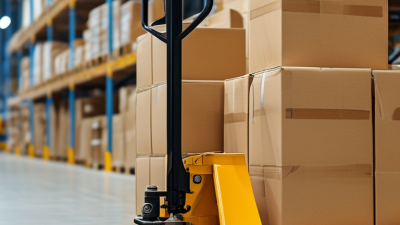
What Are Handling Systems and How Do They Work?
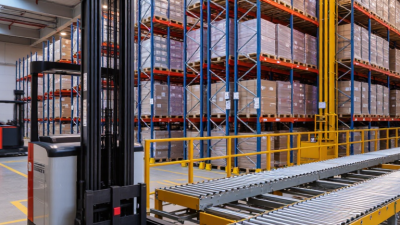
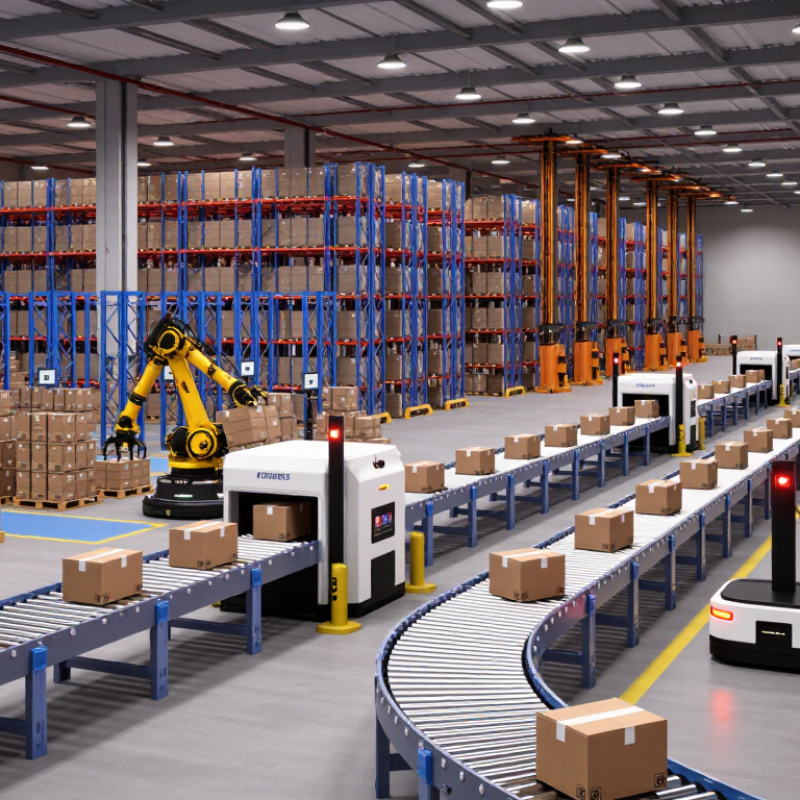
Handling Systems are the physical and digital methods used to move, store, protect, and control materials. They include conveyors, palletizers, automated storage and retrieval systems, guided vehicles, robotic arms, and warehouse software. In a modern distribution center, a carton may travel from receiving to storage on powered rollers, pause at a sensor, and then move toward packing without manual lifting.
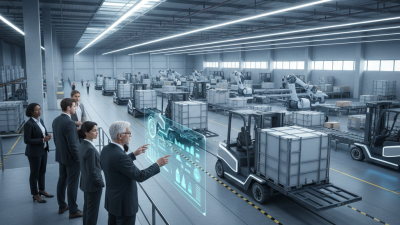
Their purpose is practical. Handling Systems reduce unnecessary travel, improve material flow, and support safer, more consistent operations. The International Federation of Robotics reported 541,302 industrial robots installed worldwide in 2023, showing how automation is reshaping factories and logistics facilities. However, a robot alone does not create an efficient process. It needs accurate data, suitable layouts, reliable safety controls, and trained people.
The MHI 2024 Annual Industry Report also highlights continuing investment in supply chain technologies, including automation, robotics, and analytics. These investments reflect a clear industry trend, but they are not automatically successful. Poorly selected equipment can create bottlenecks, noisy work areas, or expensive maintenance problems. That point is easy to overlook.
This article explains what Handling Systems are, how their main components work, and where they fit in real operations. It also considers capacity, load type, speed, energy use, and system integration. A small parcel and a steel coil require very different solutions. The right design begins with the material, not the machine.
Defining Handling Systems: Loads, Equipment, and Material-Flow Functions
What Are Handling Systems and How Do They Work?
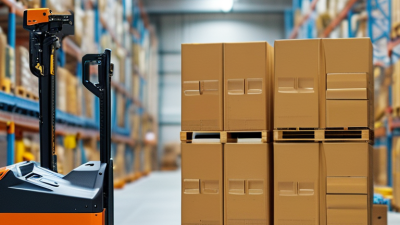
A handling system moves, positions, protects, or stores materials during production and distribution. Its basic unit is the load. A load may be a carton, pallet, roll, container, or loose component. Weight, size, shape, fragility, and movement frequency determine the correct equipment. Conveyors support steady routes. Hoists lift suspended loads. Pallet trucks move unit loads across short distances. Automated storage systems combine storage logic with controlled retrieval.
The material-flow function matters more than the equipment name. Receiving systems unload and identify materials. Transfer systems connect workstations. Buffer systems absorb uneven production speeds. Dispatch systems stage orders for collection. The 2024 MHI Annual Industry Report, produced with Deloitte, found that 83% of respondents expected to increase supply-chain technology and innovation investment within five years. That figure signals strong demand, but investment alone does not fix poor layouts. A short conveyor can create a long delay when scanning, replenishment, or operator access is ignored. The uncomfortable truth is that many designs optimize motion, not the whole flow.
Tip: Measure real loads first. Record peak weight, travel distance, waiting time, damage, and manual touches. Then test the proposed layout during a busy shift. Clean diagrams can mislead. One overlooked doorway may disrupt everything. Also review maintenance access and emergency stopping points. These details often decide whether a handling system remains reliable after installation. Source: MHI and Deloitte, 2024 Annual Industry Report.
Classifying Handling Methods: Unit, Bulk, Continuous, and Automated Flow
Handling systems move, store, position, or protect materials inside a facility. Their design affects safety, speed, labor, and product quality. The right classification begins with the material, not the equipment.
Unit handling moves separate items such as cartons, pallets, trays, or machine parts. A conveyor may carry one carton, while a lift table raises one pallet. Operators can inspect each item and change its route. This method suits mixed orders and fragile goods. However, frequent stops may reduce throughput.
Bulk handling manages loose materials, including grain, powder, pellets, or crushed stone. Hoppers, feeders, and enclosed conveyors control the material’s movement. Moisture, dust, particle size, and flow resistance require careful measurement. A small change in humidity can create a serious blockage. Bulk systems often need sensors and cleaning access. They are powerful, but not forgiving.
Continuous handling moves material at a steady rate through connected stages. Pipes, belts, rollers, and chutes support this flow. Automated flow adds controls, scanners, motors, and software. It can adjust speed when a downstream station slows. This reduces manual transfers and limits handling damage. Yet automation is not automatically efficient. Poor layouts simply move mistakes faster. Real facilities often combine unit, bulk, and continuous methods. A pallet may enter individually, release bulk material, then join an automated line. This hybrid approach is practical, although its controls can become difficult to maintain. Technician access matters. Reliability depends on clear procedures, tested safeguards, and honest review of weak points.
Measuring Performance: Capacity, Speed, Throughput, Uptime, and Utilization
What Are Handling Systems and How Do They Work?
Handling systems move, store, sort, or position materials inside a facility. They may include conveyors, lifts, carts, storage equipment, and control software. Their performance depends on more than movement alone. Capacity shows the maximum load a system can safely handle at one time. For example, a conveyor rated for 50 kilograms may perform poorly when loads arrive unevenly. Rated capacity is not always practical capacity.
Speed
Speed measures how quickly equipment moves a load, usually in meters per second.
Throughput
Throughput measures completed units per hour. These figures are related, but they are not identical.
A fast conveyor can still produce low throughput when workers pause for inspections or when items arrive irregularly. In daily operations, I measure output at the process endpoint, not only on the equipment display. Small delays become visible there. Very visible.
Uptime describes how often the system remains available during planned operating hours. A useful calculation is operating time divided by scheduled time. Utilization shows how much of available capacity the system actually uses. High utilization may appear efficient, yet it can leave little room for surges, cleaning, or maintenance.
A dashboard may show 95% uptime while repeated short stops quietly reduce output. I have seen teams trust clean data too quickly. Sensor faults, manual workarounds, and unrecorded waiting can distort every metric. Regular observation, maintenance records, and verified production counts make the measurements more reliable.
Applying Industry Standards: OSHA 1910.176, ASME B20.1, and ISO 3691-4
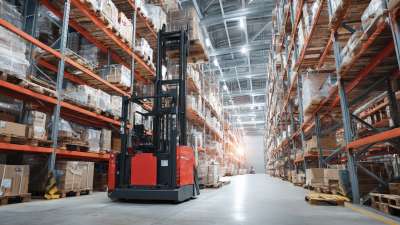
Handling systems move, store, or control materials through a facility. They may include conveyors, pallet racks, lift equipment, and driverless industrial trucks. Their safe operation depends on design, maintenance, traffic control, and trained workers.
OSHA 1910.176 requires stored materials to remain stable and aisles to stay clear. A loose pallet near a travel lane can create a serious exposure. ASME B20.1 addresses conveyor safety, including guarding, accessible controls, and emergency stopping provisions. ISO 3691-4 focuses on driverless industrial trucks and their operating systems. It supports risk assessment, protective devices, route control, and communication between people and vehicles. These standards have different scopes. Treating them as one checklist is a common mistake.
Tips: Mark pedestrian routes clearly. Keep emergency stops visible. Inspect racks, belts, sensors, and battery areas regularly. Test controls under realistic conditions, not only during commissioning. A practical review may reveal blocked access or confusing signals that drawings missed. Small details matter. Operators should understand what an alarm means and when to stop work. Documentation should record inspections, corrective actions, and training. No system is perfect. Even a well-designed layout can become unsafe after production changes. Reassess it when loads, speeds, staffing, or equipment change.