How to Choose the Right Material Lifting Equipment for Your Needs?
Choosing the right Material Lifting Equipment is a crucial decision for various industries. According to the latest market research, the global material handling equipment industry is expected to reach $200 billion by 2025. This statistic highlights the importance of selecting equipment that not only meets operational demands but also enhances workplace safety.
Equipment selection involves understanding specific requirements. For example, the load capacity, lift height, and mobility of the equipment must align with your operational needs. A study by the Occupational Safety and Health Administration (OSHA) indicates that improper equipment can lead to a 25% increase in workplace accidents. Therefore, investing time in evaluating options can significantly reduce risks.
Moreover, technological advancements in Material Lifting Equipment offer new functions, such as automated lifting and load monitoring. These innovations can improve efficiency but may also require additional training. Acknowledging the need for proper training is essential. It is a mistake to overlook this aspect when choosing equipment. This decision impacts both productivity and safety standards in your workplace.
Understanding Your Material Lifting Needs and Applications
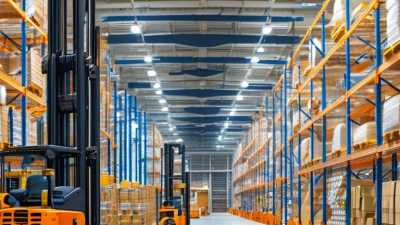
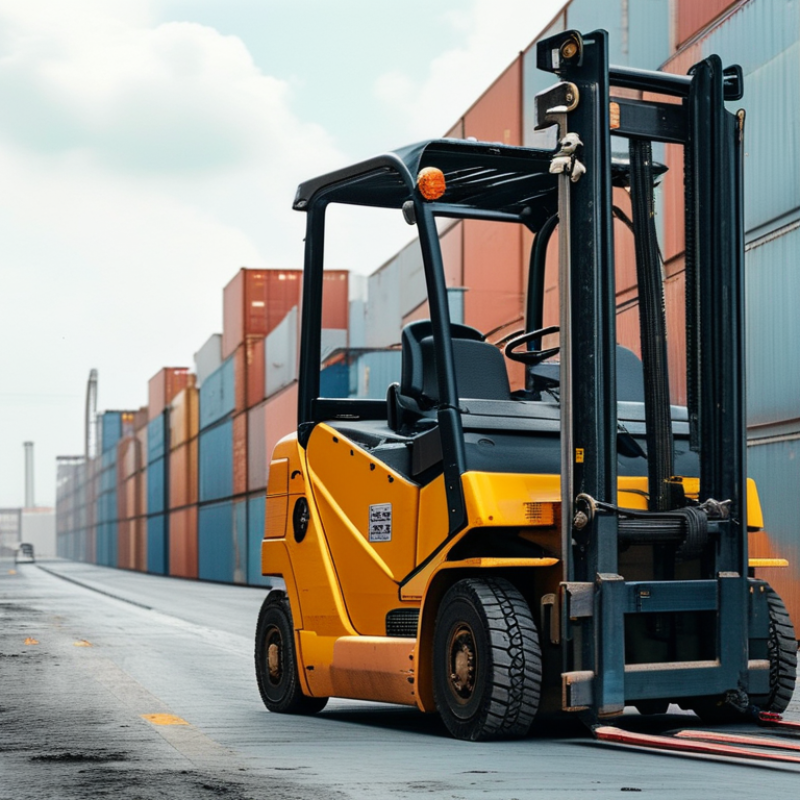
Choosing the right material lifting equipment requires a clear understanding of your specific needs and applications. Every industry has unique requirements based on the weight, size, and type of materials handled. For example, construction sites typically deal with heavy loads and irregular shapes. In contrast, warehouses often handle standardized pallets that require precise handling solutions.
Industry reports indicate that materials handling accounts for approximately 30% of labor costs in manufacturing environments. A misconfigured lifting system can lead to inefficiencies and safety risks. Selecting appropriate equipment, such as forklifts or hoists, should be based on the load capacity and ergonomics to reduce worker fatigue. Evaluating these factors helps ensure operations run smoothly and safely.
Unexpected challenges may arise when transitioning to new equipment. Operators may need additional training to adapt to different technology. Research shows that inadequate training can lead to a 20% increase in workplace accidents. It's crucial to consider these aspects when selecting lifting equipment. Addressing these gaps fosters a safer, more productive work environment, ultimately enhancing operational performance.
Types of Material Lifting Equipment: An Overview
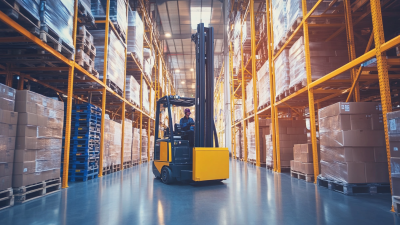
When selecting material lifting equipment, understanding the types available is crucial. These include hoists, cranes, forklifts, and pallet jacks. Each type serves specific purposes and capacities. For instance, cranes can lift heavy loads and reach significant heights, while forklifts are ideal for warehouse settings. According to a recent industry report, the global material handling equipment market is projected to reach $200 billion by 2026. This growth indicates a rising demand for efficient lifting solutions.
Electric hoists are increasingly popular due to their efficiency. They can lift loads of up to 20 tons with precision. In contrast, manual hoists are often used for lighter tasks. However, they require more physical effort and can lead to worker fatigue. A survey shows that 30% of injuries in warehouses relate to improper lifting techniques. This emphasizes the importance of choosing the right equipment that suits the workload.
Understanding the load capacity and operational environment can impact decision-making. Environments can vary widely, from construction sites to factories. For instance, outdoor equipment may need to withstand weather conditions. Safety features also vary, with some models offering advanced controls and emergency stop mechanisms. These details can help ensure safer and more efficient operation.
How to Choose the Right Material Lifting Equipment for Your Needs?
| Type of Equipment |
Max Load Capacity |
Power Source |
Best Use Case |
Weight |
| Forklift |
5,000 lbs |
Gasoline, Electric |
Warehouse & Loading Docks |
3,500 lbs |
| Hoist |
1,000 lbs |
Electric, Manual |
Construction Sites |
120 lbs |
| Pallet Jack |
5,500 lbs |
Manual, Electric |
Storage & Retail |
450 lbs |
| Crane |
10,000 lbs |
Electric, Diesel |
Large Construction |
2,000 lbs |
| Scissor Lift |
2,000 lbs |
Electric |
Maintenance Work |
800 lbs |
Key Factors to Consider When Selecting Lifting Equipment
Choosing the right material lifting equipment involves several critical considerations. Start by assessing the type of materials you handle. For instance, according to industry data from the Material Handling Industry of America, over 60% of workplace injuries stem from improper lifting techniques. Different materials require specific lifting mechanisms. Heavy-duty pallets may necessitate a forklift, whereas smaller items could be managed with a hoist.
Next, consider the capacity of lifting equipment. The National Safety Council indicates that equipment should exceed the maximum weight of the load by at least 25%. This extra margin ensures safety and prevents equipment failure. Evaluating the height and reach is equally essential. A lift that can handle higher elevations safely will be necessary for warehouses with vertical storage solutions.
Lastly, review the frequency of use and operational environment. Heavy equipment may be justified in high-use settings, while light-duty options might suffice for occasional tasks. Outdoor versus indoor use can also impact your choice due to varying environmental factors. Reflecting on these aspects helps ensure the effective selection of lifting equipment tailored to your operational needs.
Safety Standards and Regulations for Material Lifting
When selecting material lifting equipment, understanding safety standards and regulations is crucial. Compliance with these regulations ensures safe operation and minimizes accidents. Different regions may have unique standards. Always refer to local safety regulations. Familiarize yourself with guidelines by organizations that set these standards. They provide valuable insights for safe lifting practices.
Failure to follow safety protocols can lead to severe consequences. For example, using inadequate equipment can increase the risk of accidents. Regular maintenance and inspections are essential. They help identify potential mechanical failures. A safety-conscious workplace can significantly reduce the likelihood of injuries. Employees should be trained in the correct usage of lifting equipment. They must also understand how to recognize hazards.
Understanding loads is also vital. Overloading equipment can lead to catastrophic failures. Ensure you’re aware of the weight limits. Regularly review and update your equipment’s safety features. This not only maintains performance but also reassures your team about workplace safety. Engage in safety drills, so everyone knows their roles during emergencies. Regular conversations about safety can provoke mindfulness and encourage responsibility.
Material Lifting Equipment Usage by Industry
Cost vs. Quality: Evaluating Your Options in Lifting Equipment
When choosing lifting equipment, the balance between cost and quality stands out. Construction and manufacturing industries often grapple with this dilemma. Investing in high-quality equipment ensures safety and efficiency. However, budget constraints can limit options.
Industry reports indicate that businesses that prioritize quality equipment see a 30% reduction in workplace accidents. This reduction highlights the importance of selecting reliable tools. Cheaper options may seem appealing initially. Yet, they often lead to higher maintenance costs and frequent replacements. For example, a study by the International Journal of Industrial Ergonomics revealed that using high-quality lifts could save companies up to 20% on long-term operational costs.
It's also crucial to consider the potential downtime from using subpar equipment. Frequent malfunctions cause delays and impact productivity. Though premium equipment requires a higher initial investment, the longevity and safety benefits justify the cost. As evidenced by market trends, investing in quality equipment proves to be a strategic decision for businesses. In the long run, the right choice can significantly enhance operational efficiency and employee safety.