Top 10 Material Handling Lifts for Efficient Warehouse Operations?
In the fast-paced world of logistics and warehousing, efficiency is paramount. Material Handling Lifts play a crucial role in streamlining operations. According to the Material Handling Industry of America (MHIA), over 70% of all warehouse activities involve the movement of materials. Therefore, choosing the right lift is vital for productivity.
Recent industry reports indicate that effective use of Material Handling Lifts can enhance workflow by 25% and reduce strain on workers. Many warehouses face challenges like limited space and increasing demand. The right lift can maximize storage capabilities and improve safety for employees. However, not all lifts are the same. Companies often overlook specific needs, leading to inefficiencies.
Investing in a Material Handling Lift requires thoughtful consideration. Are you choosing based on features or actual needs? Properly evaluating options can prevent costly mistakes. As we explore the top 10 Material Handling Lifts, reflect on what your operation truly requires. This journey will lead you to smarter, more efficient choices for your warehouse.
Overview of Material Handling Lifts and Their Importance in Warehouses
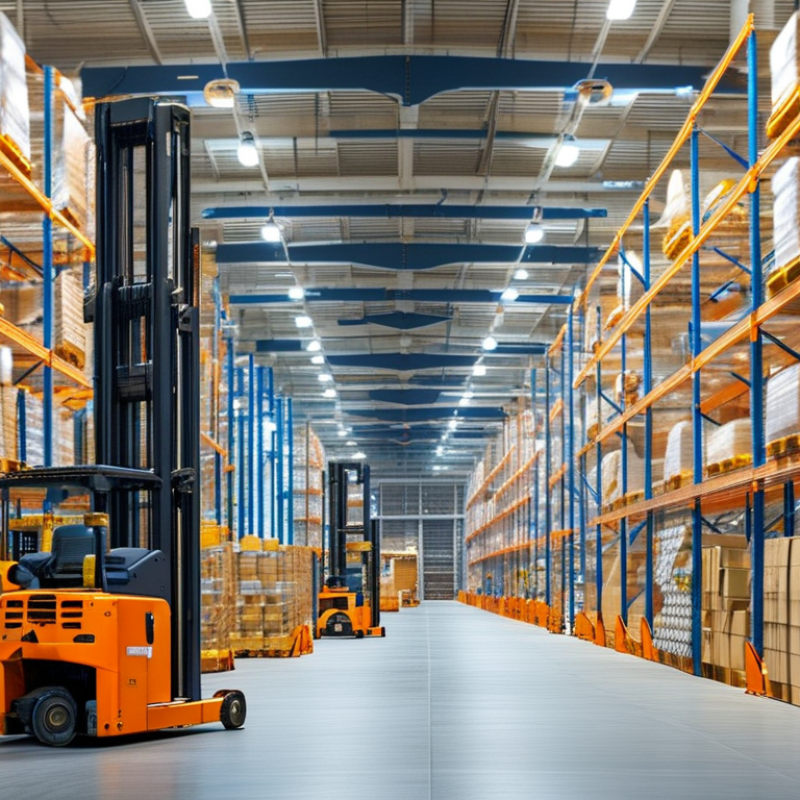
Material handling lifts are vital to warehouse operations. These lifts streamline processes, improving efficiency. A recent report by the Material Handling Industry of America highlights that automating lifting tasks can reduce operational costs by up to 20%. This significant saving is crucial for businesses managing tight budgets.
Using material handling lifts addresses common workplace challenges. Manual lifting can lead to injuries, impacting employee productivity. The U.S. Bureau of Labor Statistics noted that over 30% of workplace injuries are related to manual handling. Implementing appropriate lifting solutions can enhance workplace safety and reduce absenteeism.
However, not all warehouses utilize these lifts effectively. Many operations still rely on outdated methods, risking employee well-being and productivity. According to industry insights, 44% of warehouses have not upgraded their equipment in over five years. Embracing modern material handling solutions becomes essential for long-term operational success. Investing in the right tools is not merely a choice; it is a necessity for competitive advantage.
Types of Material Handling Lifts: An In-Depth Look at Key Varieties
Material handling lifts are essential in modern warehouses. They improve efficiency by allowing safe and easy transportation of goods. Various types of lifts exist, each serving specific needs. Forklifts are common, ideal for lifting heavy pallets. They come in electric or diesel variations, catering to different environments. However, they require skilled operators to avoid safety hazards.
Scissor lifts provide another solution. These lifts are great for reaching high shelves and performing maintenance tasks. Their compact design suits tight spaces, but they may not handle heavy loads as effectively. Another option is pallet jacks, which are simple and easy to use for moving pallets over short distances. They come in manual and electric versions, allowing flexibility in warehouse operations.
Overhead cranes are also worth considering. They excel in moving large, heavy items across vast distances. But they can require significant space and a structured layout. All these options have strengths and weaknesses. A careful evaluation of specific warehouse needs is crucial. Choosing the right lift can enhance productivity while minimizing risks.
Top 10 Material Handling Lifts for Efficient Warehouse Operations
| Lift Type |
Capacity (lbs) |
Lift Height (ft) |
Power Source |
Best For |
| Electric Pallet Jack |
5,500 |
3 |
Electric |
Loading/Unloading |
| Stacker Lift |
2,200 |
10 |
Manual/Electric |
Storage/Picking |
| Scissor Lift |
1,000 |
25 |
Electric/Battery |
Maintenance/Freight |
| Forklift |
10,000 |
20 |
Gas/Diesel/Electric |
Heavy Lifting |
| Order Picker |
3,000 |
30 |
Electric |
Order Fulfillment |
| Articulating Boom Lift |
500 |
40 |
Diesel/Electric |
Outdoor Work |
| Mini Lift |
300 |
12 |
Electric |
Tight Spaces |
| Reach Truck |
4,500 |
30 |
Electric |
Narrow Aisles |
| Telehandler |
12,000 |
60 |
Diesel |
Construction Sites |
| Cranes |
Varies |
Varies |
Electric/Diesel |
Heavy Lifting |
Criteria for Selecting the Best Material Handling Lifts for Your Warehouse
When selecting material handling lifts for your warehouse, consider several key factors. Weight capacity is crucial. Each lift should easily handle the loads typical in your operations. Analyzing your daily tasks can help you identify the necessary features. Ergonomics plays a significant role. Lifts designed with operator comfort in mind reduce fatigue and potential injuries.
Safety features are non-negotiable. Look for options with sturdy guardrails and non-slip surfaces. These elements enhance stability and reduce accident risks. Speed of operation is another vital aspect. The ability to quickly lift and lower goods can significantly boost productivity. However, choose a speed that ensures control, not haste.
Evaluate the power source as well. Electric models are quieter and more suited for indoor use. Manual options may be more affordable but require greater physical effort. Keep in mind that not every lift will suit every warehouse layout. The space available for maneuvering should influence your choice. Balancing these criteria will lead you to the best material handling lift for your unique environment.
Top 10 Material Handling Lifts for Efficient Warehouse Operations
Top 10 Material Handling Lifts: Features and Benefits Comparison
When considering material handling lifts for warehouse operations, understanding their features is crucial. Efficient lifts can streamline your workflows significantly. Some common types include scissor lifts, pallet jacks, and fork lifts. Each serves a unique purpose in handling materials.
Scissor lifts are ideal for reaching high shelves. They can extend vertically, maximizing storage space.
Pallet jacks are designed for moving heavy goods across short distances. Their maneuverability enhances productivity. Forklifts are versatile but require trained operators. They can handle a variety of loads, making them a popular choice. It's essential to assess the specific needs of your warehouse when choosing the right lift.
Tip: Regular maintenance is key to ensuring optimal lift performance. Check for wear and tear periodically. Small issues can develop into larger problems if neglected.
Another significant feature to consider is load capacity. Every lift has a weight limit, affecting its usability. Exceeding this limit can lead to accidents. Operators should be trained to recognize these limits.
Tip: Conduct regular training sessions for your team. Keeping everyone informed about safety practices enhances efficiency and creates a safer working environment.
Future Trends in Material Handling Lifts for Enhanced Warehouse Efficiency
The future of material handling lifts is driven by innovation and efficiency. New technologies are emerging to enhance warehouse operations. Automated systems are gaining traction, reducing the need for manual labor. These systems can move and lift materials seamlessly, increasing productivity. Integration with AI and robotics makes operations smarter. Predictive analytics can optimize lift usage, minimizing downtime.
Sustainability is also a key focus. Electric-powered lifts are replacing traditional fuel-based models. This shift reduces carbon footprints significantly. Companies are investing in recyclable materials for construction. Energy-efficient designs will meet future regulations and customer expectations.
However, challenges remain. Initial investment costs can be high. Training staff to use advanced systems is essential but can be time-consuming. Not all facilities can easily adapt to automation due to space constraints. Stakeholders must weigh benefits against these potential drawbacks to ensure successful implementation. Embracing these trends could redefine warehouse efficiency significantly.