

R&D Ergo new logo

ERGONOMIC SOLUTIONS FOR OVER 25 YEARS.

To serve you better | Now merging service and customer support with our sister company Liftsafe Engineering and Service Group.

Why Choose Hex Socket Bolts for Global Sourcing?

Global sourcing is no longer judged by unit price alone. Buyers must assess strength, consistency, delivery stability, and technical support. A Hex Socket Bolt often becomes the quiet control point in this decision.

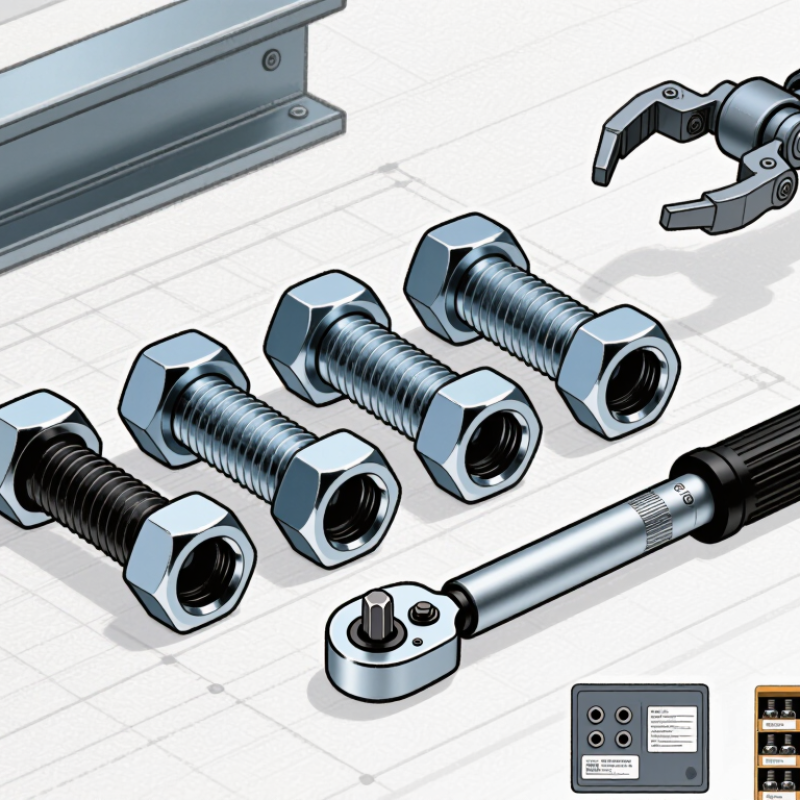
Its internal hex drive fits compact assemblies where a traditional wrench cannot reach. That matters inside machine frames, steel fixtures, robotics, and maintenance panels. A torque wrench can apply measured force through the socket recess. This helps reduce damaged heads and uneven clamping during installation. Still, socket access is not always ideal. Dirt, paint, or a poorly fitting key can quickly create installation problems.

John H. Bickford, a respected fastener engineering author, offers a useful principle: “The joint, not the bolt, is the real engineering system.” This perspective changes how global buyers evaluate suppliers. They should confirm material grade, hardness, thread accuracy, surface treatment, and dimensional records. They should also request inspection reports and sample testing before placing large orders. A supplier may provide attractive pricing, yet inconsistent thread fit can slow an entire production line.

Packaging deserves attention too. Mixed sizes, damaged coatings, or unclear batch labels create avoidable delays. Ask how the supplier protects parts during ocean transport. Ask how complaints are investigated.

Price is only one signal.

The better choice balances performance, traceability, and practical service. Even then, no sourcing plan is perfect. Forecasts change, specifications get misunderstood, and small details sometimes escape review. A careful buyer leaves room for verification, correction, and honest reassessment before production depends on every Hex Socket Bolt.
Why Choose Hex Socket Bolts for Global Sourcing?

Hex Socket Bolts: Definition, Design, and Main Components

Why Choose Hex Socket Bolts for Global Sourcing?

Hex socket bolts, often called socket head cap screws, have a cylindrical head with a recessed hexagonal drive. The recess accepts an Allen key or hex bit. This design transfers turning force efficiently, even in narrow assembly spaces.

A typical bolt includes five working features: the head, socket recess, shank, threaded section, and bearing face. The thread creates clamping force, while the bearing face presses against the joined material.

The head diameter and height affect load distribution and clearance. A deeper socket may improve tool engagement, but it can also reduce wall thickness. That trade-off deserves attention. During sourcing, I check thread pitch, nominal diameter, length measurement, and material grade against the technical drawing. I also inspect the recess for rounded corners, burrs, and incomplete forming. Small defects can cause tool slippage during installation.

Material and surface treatment shape performance. Alloy steel suits many high-load applications, while stainless steel supports corrosion resistance in demanding environments.

Plating or coating may improve protection, but it can change thread fit. The term “hex socket bolt” is not perfectly consistent across markets. Suppliers should confirm the applicable dimensional and mechanical standards in writing.

Sample approval, hardness testing, and torque checks provide stronger evidence than photographs alone. I have seen attractive samples fail because the socket depth was overlooked. That mistake is easy to prevent.

How Hex Socket Bolts Perform in Different Industrial Applications

Hex socket bolts perform well where space, access, and controlled tightening matter. Their recessed drive fits a compact hex key, even inside narrow machine frames. This design leaves a clean surface and reduces interference near moving parts. Maintenance teams often use them in automation equipment, tooling plates, and precision fixtures.

In high-vibration machinery, correct preload matters more than appearance. A calibrated torque tool helps reduce loosening and uneven clamping. Socket depth also supports repeatable installation during frequent servicing. For hydraulic equipment, material selection becomes critical. Stainless steel can resist moisture, while alloy steel offers higher strength in demanding loads. Protective finishes may improve corrosion resistance, but they cannot repair poor storage or damaged threads.

They are not perfect.

A shallow socket can slip under excessive force. Contamination inside the recess creates another practical problem. I have seen installation delays caused by mismatched keys and oversized coatings. Engineers should check thread engagement, clearance, load direction, and temperature exposure before approving a specification. Reliable global sourcing also depends on inspection records, dimensional checks, and traceable material certificates. Suppliers should confirm applicable industrial standards and provide consistent batch quality. A low purchase price may hide higher maintenance costs later. Field conditions can also differ from laboratory assumptions, so installation feedback deserves careful review.

Why Choose Hex Socket Bolts for Global Sourcing? - How Hex Socket Bolts Perform in Different Industrial Applications

Industrial Application Typical Bolt Material Common Strength Class or Grade Typical Size Range Key Performance Advantage Environmental Considerations Relevant Technical References
General Machinery and Equipment Frames Medium-carbon alloy steel with a zinc or black oxide finish Metric property class 8.8 or 10.9 M5–M20 Compact cylindrical head and internal hex drive provide efficient fastening where side clearance is limited. Property class 8.8 has a nominal minimum tensile strength of approximately 800 MPa. Use plated or coated steel in dry indoor environments. Protect cut, damaged, or exposed coating areas from corrosion. ISO 4762; ISO 898-1; ISO 965-1
Automated Assembly and Robotics Alloy steel or stainless steel, selected according to load and corrosion exposure Metric property class 10.9 for high-load steel designs; A2 or A4 stainless steel for corrosion-resistant assemblies M4–M16 Internal hex sockets support access from the top with relatively small tool clearance, which is useful in compact mechanisms and automated fixtures. Stainless steel reduces atmospheric corrosion risk. Avoid mixing stainless fasteners with incompatible metals without suitable isolation because galvanic corrosion may occur. ISO 4762; ISO 3506-1; ISO 898-1
Automotive Fixtures and Vehicle Components Heat-treated alloy steel, often with a corrosion-resistant coating Metric property class 10.9 or 12.9 where high preload and high tensile strength are required M6–M16 High-strength versions offer high tensile capacity in a relatively small fastener envelope. Class 12.9 fasteners have a nominal minimum tensile strength of approximately 1,220 MPa under ISO 898-1. Installation torque must be validated for the exact coating, lubrication condition, joint design, and tightening method. Do not substitute a higher class without checking the joint design. ISO 4762; ISO 898-1; ISO 16047 for torque-tension testing
Machine Tools and Precision Equipment Precision alloy steel or stainless steel Metric property class 8.8, 10.9, or 12.9, depending on joint load M4–M20 Flush or low-profile socket-head options can preserve working envelope and reduce interference with moving components. Consistent thread geometry supports repeatable assembly. Use clean, burr-free threads and controlled tightening. Surface finish and dimensional tolerances should be specified when alignment or repeatability is critical. ISO 4762; ISO 965-1; ISO 2768 where applicable to the assembly
Industrial Pumps, Valves, and Fluid Handling Equipment Austenitic stainless steel or coated alloy steel A2-70 or A4-80 stainless steel; alloy steel for protected dry installations M5–M24 Socket access is useful around housings, covers, and flanges where conventional external hex-head tools may have limited access. A4 stainless steel is generally preferred over A2 in chloride-containing or more aggressive environments. Confirm chemical compatibility, temperature limits, and crevice-corrosion risk. ISO 4762; ISO 3506-1; applicable pressure-equipment and plant specifications
Renewable-Energy Equipment and Outdoor Structures Stainless steel or high-strength coated alloy steel A2-70, A4-80, or qualified high-strength coated steel M6–M20 Compact head geometry helps reduce protrusions in mounting systems and equipment housings while maintaining reliable clamping when correctly specified. Account for UV exposure, rain, salt spray, thermal cycling, and galvanic compatibility with aluminum or galvanized components. Use isolating washers or approved coatings when required. ISO 4762; ISO 3506-1; ISO 9227 for salt-spray evaluation where specified
Electronics Enclosures and Instrumentation Stainless steel, low-carbon steel, or non-magnetic alloy selected for the enclosure design A2-70 stainless steel or general-purpose low-strength steel grades M2–M8 Small socket-head dimensions suit compact assemblies and provide positive tool engagement compared with small external hex heads. Consider electrical bonding, magnetic response, corrosion resistance, thread stripping, and the use of washers or thread-locking methods for vibration control. ISO 4762; ISO 3506-1; IEC 60529 may apply to enclosure protection requirements
Industrial Jigs, Fixtures, and Modular Tooling Heat-treated alloy steel or stainless steel Metric property class 10.9 or 12.9 for repeated clamping; stainless steel for corrosive work areas M4–M16 Internal hex drive enables fast installation in recessed locations. High-strength steel supports repeated assembly when threads and contact surfaces are properly maintained. Repeated tightening can wear the socket or threads. Use suitable tools, inspect socket engagement, and replace fasteners showing rounding, corrosion, or thread damage. ISO 4762; ISO 898-1; ISO 16047 for validated tightening performance
Aerospace-Adjacent and High-Precision Non-Flight Equipment Qualified alloy steel, corrosion-resistant steel, or nickel-based material where required Application-specific grade and traceability requirements M3–M16 Compact geometry, controlled dimensions, and positive internal drive can support dense assemblies and repeatable maintenance procedures. Material certification, lot traceability, surface treatment, temperature capability, and approved installation procedures are essential. Commercial hardware should not be used unless explicitly qualified. ISO 4762; ISO 898-1 or ISO 3506-1 where applicable; project-specific specifications

Engineering note: Performance values are representative minimum values or commonly used application ranges, not universal design limits. Final selection should verify bolt diameter, thread engagement, preload, joint stiffness, friction condition, fatigue loading, temperature, corrosion exposure, tool access, and the applicable product standard.

Key Benefits of Choosing Hex Socket Bolts for Global Sourcing

Why Choose Hex Socket Bolts for Global Sourcing?

Key Benefits of Choosing Hex Socket Bolts for Global Sourcing

Hex socket bolts offer practical advantages when buyers source across multiple markets. Their internal drive works well in tight spaces, where external hex heads may not fit. This matters in compact machinery, electrical enclosures, and assembled frames. A controlled socket engagement also reduces tool slipping during installation. Fewer damaged heads can mean fewer delays on the production floor.

Performance depends on the selected property class. ISO 898-1 specifies a minimum tensile strength of 1,220 MPa for class 12.9 fasteners. That level supports demanding mechanical applications, when the design uses correct preload. ASTM F606/F606M provides recognized methods for testing hardness, tension, and proof load. These standards give sourcing teams a clearer comparison between suppliers. However, strength alone does not guarantee service life. Coating thickness, thread accuracy, hydrogen control, and storage conditions still require inspection.

Global sourcing reports continue to show strong demand for industrial fasteners in machinery, transport, and construction. Trade data published through the International Trade Centre also shows substantial cross-border movement within fastener categories. This supports broader supplier options, but it increases verification work. A low unit price can hide higher costs from rework, missing certificates, or inconsistent plating. That assumption is too neat. Buyers should request dimensional reports, material certificates, lot traceability, and sample testing before approval. Hex socket bolts are efficient, but only disciplined specifications make them reliably interchangeable.

Material, Coating, and Specification Factors for International Purchasing

Why Choose Hex Socket Bolts for Global Sourcing?

Hex socket bolts suit international purchasing because their internal drive supports compact assembly tools and controlled torque. Material selection still matters more than appearance. World Steel Association reported 1.88 billion tonnes of crude steel production in 2023. That scale does not guarantee consistent bolt performance. Buyers should specify carbon steel, alloy steel, or stainless steel, along with the required strength class. ISO 898-1 defines mechanical requirements for carbon and alloy steel bolts. A certificate should match the actual heat and batch, not only the purchase order.

Coating decisions require equal care. ISO 4042 covers electroplated coatings for threaded fasteners, including dimensional and corrosion considerations. Zinc plating may suit indoor or moderate environments, while zinc-flake or stainless options can better support humid service. Coating thickness can affect thread fit. This detail is often missed. The 2024 Global Fasteners Market report by Grand View Research estimated the sector at about USD 94 billion in 2023, showing how widely specifications vary across supply chains. Yet market size is not proof of quality. Buyers should request salt-spray results, coating declarations, and restricted-substance documentation. ASTM F3125 may apply to structural applications, but it should not replace project-specific engineering review. Small errors compound. A slightly wrong thread pitch, unclear tolerance, or incomplete marking can delay installation across borders. Samples should be checked with calibrated gauges before mass production. Even experienced purchasing teams sometimes approve a familiar grade too quickly. That shortcut deserves review.

How to Evaluate Suppliers, Quality, Cost, and Delivery Risks

Hex socket bolts suit compact assemblies because their recessed drives allow controlled tightening in narrow spaces. Their global sourcing value depends on more than purchase price. In practical supplier audits, I examine production records, inspection methods, and communication speed. Ask whether the supplier controls steel heat lots and thread production internally. Request material certificates, dimensional reports, and traceability documents. Verify claims against recognized mechanical property standards, such as ISO 898-1, when applicable.

Quality checks should cover thread fit, head dimensions, hardness, tensile strength, and surface treatment. Use samples from several production batches, not one carefully selected box. Samples expose hidden variation. A low-cost bolt may create higher expenses through stripped heads, corrosion, or assembly delays. Compare total landed cost, including tooling, packaging, freight, duties, inspection, and rejected parts. Cheap is not always economical.

Delivery risk requires evidence. Review capacity, raw material availability, backup equipment, and realistic lead times. Confirm packaging details, shipment milestones, and corrective-action procedures before placing an order. Dual sourcing can reduce disruption, but it may increase qualification costs and technical workload. A checklist is useful, but it is not perfect. Suppliers can pass an audit and still struggle during demand spikes. Small trial orders, independent inspections, and clear acceptance criteria provide stronger protection than promises alone.

Why Choose Hex Socket Bolts for Global Sourcing?

Supplier evaluation across quality, cost transparency, delivery reliability, and compliance risk

The scorecard uses a 0–100 evaluation scale, where a higher score indicates a stronger sourcing position. Hex socket bolt suppliers should be assessed through material certificates, tensile-grade verification, thread and dimensional inspection, coating checks, sampling plans, landed-cost analysis, and on-time delivery records. Quality and delivery controls should be validated through supplier audits and documented inspection results before large-volume orders.