China Top Vacuum Transfer Pump Suppliers?
Choosing among China’s top Vacuum Transfer Pump suppliers requires more than comparing prices or polished product pages. A reliable supplier should demonstrate practical experience with oil-sealed, dry, diaphragm, and rotary vane pump systems. Performance depends on the application. Liquid viscosity, vapor load, particle exposure, inlet pressure, and required flow rate all matter.
Vacuum technology author John F. O’Hanlon offers a useful reminder: “The vacuum system is only as good as its weakest component.” This principle applies directly to supplier selection. A pump may achieve an impressive laboratory vacuum, yet perform poorly beside a warm process chamber or a contaminated transfer line. Ask for tested curves, material specifications, seal information, noise levels, and maintenance intervals. Request evidence, not promises.
Field experience also reveals details that catalogues sometimes hide. A food-processing user may need stainless steel construction and easy cleaning. A chemical manufacturer may require corrosion-resistant seals and controlled vapor handling. An electronics plant may prioritize low backstreaming and stable pressure control. Good suppliers explain these differences clearly. They do not force one model into every application.
China has many capable manufacturers, but quality is not identical across the market. Factory audits, sample testing, export experience, warranty terms, and spare-parts availability deserve careful attention. Communication matters, too. A delayed seal or unclear manual can stop production. That part is easy to underestimate.
The ideal supplier combines engineering depth, transparent documentation, responsive service, and consistent manufacturing. Still, no shortlist is perfect. Specifications can change, and independent verification remains necessary. A careful buyer checks twice.
What Is a Vacuum Transfer Pump?
A vacuum transfer pump moves liquid, slurry, or gas by creating pressure below atmospheric pressure. It does not simply “suck” material through a hose. The pump lowers pressure inside a receiver, allowing atmospheric pressure to push the material inward. A separate discharge cycle then sends it to storage or processing equipment. This difference matters when handling viscous fluids, powders, or liquids containing air.
The system’s performance depends on vacuum level, flow rate, hose length, temperature, and material viscosity. For example, a narrow hose can sharply reduce transfer speed, even when the pump has a strong motor. Vapor pressure also deserves attention. If liquid flashes inside the suction line, cavitation may occur. The result can be noise, vibration, and damaged components. Field inspection should include seals, filters, valves, and the receiver’s internal coating. Small leaks are easy to miss.
MarketsandMarkets reports that the global vacuum pump market could grow from about USD 5.9 billion in 2023 to USD 7.6 billion by 2028. Grand View Research also identifies semiconductor, chemical, pharmaceutical, and food processing as important demand areas. These figures show expanding use, but market growth does not guarantee correct selection. A transfer pump should match the fluid’s temperature, solids content, chemical compatibility, and required cycle time. One practical mistake is choosing by horsepower alone. That approach looks simple, yet it can produce poor suction, excessive maintenance, or unsafe operating conditions.
How Vacuum Transfer Pumps Work and Their Main Applications
Vacuum transfer pumps move materials by creating a pressure difference. A sealed chamber removes air, lowering its internal pressure. Atmospheric pressure then pushes liquid or soft material into the chamber. Valves or rotating components release the material into the discharge line. The cycle repeats continuously or in controlled batches.
Pump design depends on the material and operating conditions. Diaphragm models handle many fluids with gentle movement and limited contamination risk. Rotary pumps can provide steady transfer for clean liquids. Some systems use compressed air, while others use electric motors. Technicians should check viscosity, temperature, particle size, suction distance, and chemical compatibility. A small mismatch can reduce flow sharply.
These pumps serve food processing, pharmaceutical production, wastewater treatment, chemical handling, and electronics manufacturing. They can transfer cleaning fluids into elevated tanks or remove liquid from narrow containers. In powder applications, sealed vacuum systems help reduce dust around filling equipment. Cleanable surfaces matter in hygienic workplaces.
Practical testing remains important. A pump may appear correctly sized on paper, yet lose performance through a long hose or clogged filter. I have seen flow estimates become unreliable when operators ignored vapor pressure. That detail is easy to miss. Regular inspection of seals, valves, filters, and grounding connections supports safer operation. Engineers should record actual flow rates and revise the selection when site conditions change.
Key Factors for Evaluating Chinese Vacuum Pump Suppliers
China Top Vacuum Transfer Pump Suppliers?
When evaluating Chinese vacuum pump suppliers, look beyond quoted price. Grand View Research estimates the global vacuum pumps market could reach about USD 7.2 billion by 2030. This growth increases supplier choices, but also increases quality variation. Request measured data for ultimate pressure, pumping speed, leak rate, oil carryover, and noise. Ask whether tests use ISO 21360 methods or equivalent procedures. A reliable factory should provide calibration records, batch numbers, and inspection photos. Experience matters here. A supplier that has supported semiconductor, packaging, or laboratory equipment usually understands system stability better.
Check production depth, not only the trading company’s website. Review machining capacity, rotor balancing, motor testing, and spare-parts availability. According to the International Energy Agency, electric motors account for a major share of industrial electricity use. Therefore, motor efficiency and standby consumption deserve attention. Ask for energy data at your actual operating pressure. The catalog figure may look impressive. Real conditions can disagree. Also verify ISO 9001 certification, export documentation, warranty terms, and response time for technical faults. A factory visit or live video audit remains useful, although it cannot replace independent testing.
Tips: Compare three samples under identical conditions. Use the same gas, temperature, and inlet pipe. Request a 72-hour endurance test. Confirm service-kit prices before signing. Check references from similar applications. Do not accept “maintenance-free” claims without written limits. One weak point is often overlooked: delivery consistency. Ask for production lead times during peak seasons, then record actual performance after the first order.
Leading China-Based Vacuum Transfer Pump Suppliers
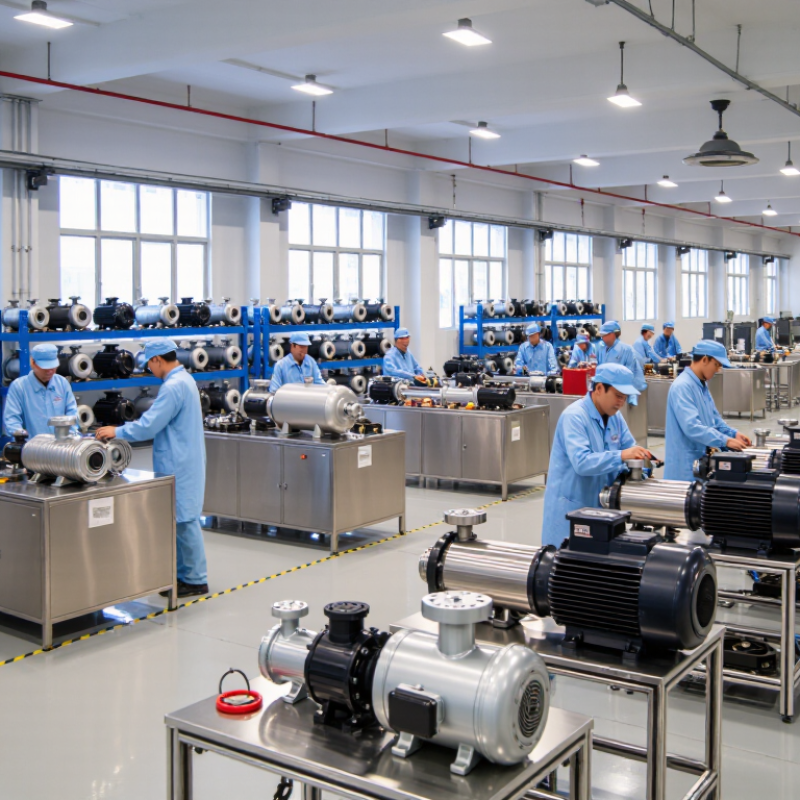
China-Based Vacuum Transfer Pump Suppliers China-based vacuum transfer pump suppliers serve chemical, food, pharmaceutical, and industrial processing markets. Their product ranges often include liquid ring, diaphragm, rotary vane, and dry vacuum systems. Selection should begin with operating conditions, not catalog appearance. Confirm flow rate, ultimate vacuum, fluid temperature, viscosity, and material compatibility. Experienced suppliers usually provide drawings, performance curves, test records, and installation guidance. Ask how each pump is tested before shipment. A practical factory visit may reveal machining quality, assembly discipline, and spare-parts control. Stainless steel contact surfaces, sealed bearings, and corrosion-resistant coatings can matter greatly in demanding environments. Reliable suppliers also explain maintenance intervals in clear language. Communication Quality Matters Communication quality deserves equal attention. Request a sample quotation with delivery time, warranty terms, inspection procedures, and replacement-part availability. Export experience is useful, but it does not replace technical evidence. Some suppliers respond quickly yet offer vague performance data. That should raise questions. No supplier gets every project right. Even a capable factory may need better process information from the buyer. Pilot testing remains wise when the liquid contains particles, solvents, or changing temperatures. Small details matter. A loose specification can create expensive rework later.
How to Select and Verify the Right Supplier
Selecting a Chinese vacuum transfer pump supplier requires more than comparing prices. Ask for pump curves, material certificates, noise data, and tested vacuum limits. A qualified supplier should explain how flow changes with pressure, temperature, and hose length. Request a sample configuration for your actual powder, liquid, or sensitive material. Generic answers are warning signs.
Verify the factory through a live video inspection or an independent audit. Check machining areas, assembly benches, leak-testing equipment, and calibration records. Ask to see a recent test report with serial numbers and measured values. Contact two current customers, with permission, and ask about delivery accuracy and after-sales response. Small details matter: clear labels, sealed fittings, and spare seals protected from dust.
Review the quotation carefully. It should state voltage, materials, inlet size, warranty terms, inspection steps, and replacement-part availability. Confirm whether performance was measured under real operating conditions. Some suppliers use ideal laboratory setups. That can mislead buyers. I would order one pilot unit before a larger purchase. It takes more time, but it reveals vibration, heat, cleaning, and control issues early. No checklist is perfect. Recheck assumptions with your maintenance team.