Top Material Handling Solutions for 2026 What Buyers Need to Know
In the evolving landscape of logistics, material handling solutions play a crucial role. As we look ahead to 2026, businesses must understand the innovations shaping this field. Efficient material handling can boost productivity and reduce costs. However, choosing the right solutions requires careful consideration.
Many options are available, and each comes with distinct advantages. Automated systems, for example, offer speed and accuracy. On the other hand, manual solutions may provide flexibility and lower initial investment. Buyers need to weigh these factors against their unique needs. Additionally, trends suggest a shift towards sustainable practices. Companies may find it beneficial to adopt eco-friendly technologies.
Buyers should also remember that not all solutions fit every operation. It’s essential to evaluate the specifics of your workflow before deciding. Investment in proper material handling solutions is more than just financial. It's about enhancing overall efficiency and safety in operations. Therefore, staying informed about these developments is key to making strategic decisions.
Current Trends in Material Handling Solutions for 2026
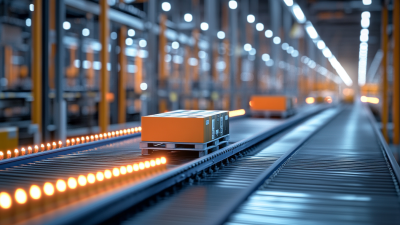
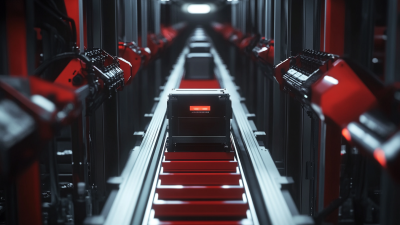
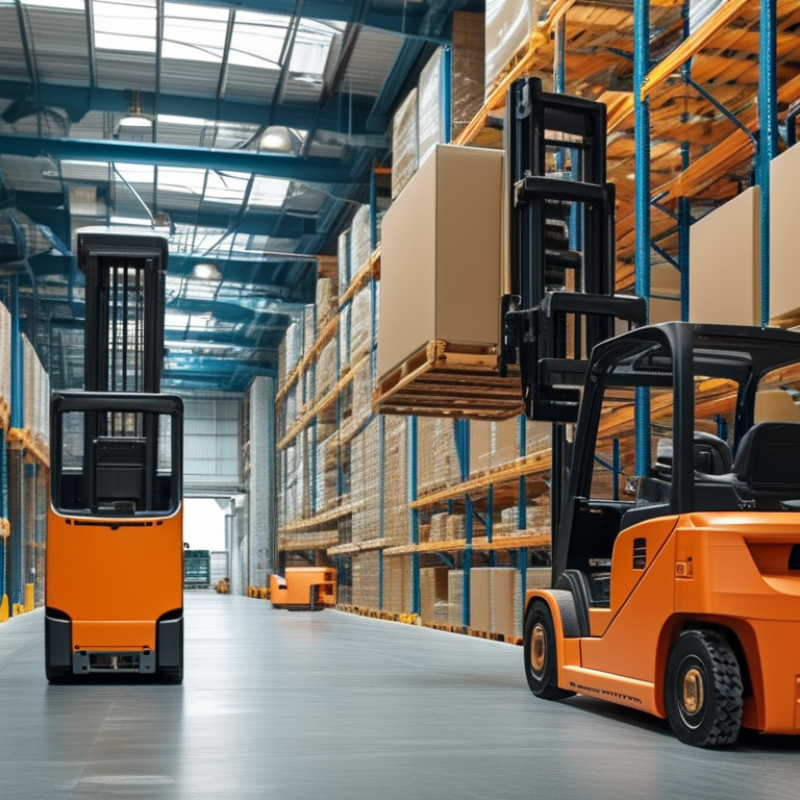
In 2026, the material handling sector is embracing innovation. Automation is gaining traction. More companies are adopting robotics to improve efficiency. Autonomous mobile robots (AMRs) are on the rise. They can navigate environments with minimal human intervention. This shift aims to reduce labor costs and enhance productivity.
Sustainability is becoming a priority. Businesses are looking for eco-friendly materials and solutions. Energy-efficient machinery is in demand. Reducing carbon footprints is crucial for many industries. Companies are facing pressure to adhere to greener practices. Yet, the transition is challenging. Not all firms have the resources for extensive upgrades.
Data integration is another key trend. Warehouse management systems are evolving with AI capabilities. These systems can analyze real-time data. They improve inventory tracking and order fulfillment. However, many businesses struggle with implementation. Training staff in these new technologies can be daunting. Organizations must invest in workforce development to keep up.
Top Material Handling Solutions for 2026: What Buyers Need to Know
| Solution Type |
Key Features |
Expected Growth (%) |
Technology Integration |
| Automated Guided Vehicles (AGVs) |
Navigation, Load Handling, Safety Sensors |
23% |
AI, IoT |
| Warehouse Management Systems (WMS) |
Inventory Management, Order Processing |
18% |
Cloud Computing |
| Mobile Material Handling Equipment |
Mobility, Ergonomics, Battery Efficiency |
20% |
Electric Drive Systems |
| Robotic Palletizing Systems |
Flexibility, Speed, Precision |
25% |
Machine Learning |
| Inventory Tracking Solutions |
Real-Time Data, RFID Technology |
15% |
Blockchain |
Key Technologies Shaping the Future of Material Handling
The future of material handling is expected to be shaped by several key technologies.
Automation continues to drive efficiency in warehouses and distribution centers.
Robots are increasingly taking over repetitive tasks, allowing human workers to focus on more complex operations.
Advanced algorithms help manage inventory, predicting stock needs accurately.
This not only saves time but also reduces human error.
Artificial intelligence plays a significant role in optimizing logistics.
AI systems analyze vast amounts of data to streamline operations.
Predictive analytics helps in forecasting demand and managing supply chains effectively.
However, integrating these technologies is not without challenges.
Organizations may face issues like employee resistance or high initial investment costs.
Sustainability is another critical factor in shaping material handling solutions.
Companies are seeking eco-friendly options to reduce their carbon footprint.
Innovative packaging materials and energy-efficient machinery are gaining attention.
Ultimately, while technology offers incredible potential, businesses must remain vigilant about adapting and evolving with these changes.
Embracing technology is crucial, but implementation needs careful consideration and planning.
Factors Buyers Should Consider When Selecting Equipment
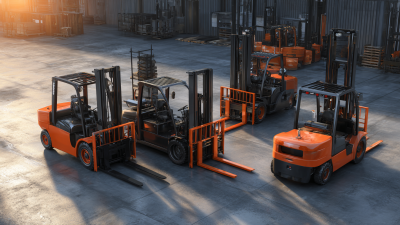
When selecting material handling equipment for 2026, buyers must consider several critical factors. First, the type of materials handled is crucial. Know the specific weights and dimensions. This will help determine the right equipment type. Assess the layout of your facility, as it impacts maneuverability and space usage.
Tips: Evaluate the floor plan. Measure the aisles and doorways. A proper fit can enhance efficiency.
Next, think about the technological aspects. Automation features can improve accuracy and speed. However, not every operation needs advanced technology. Familiarity with the workforce and their capabilities is vital. To avoid disruptions, ensure team members are trained on new equipment.
Tips: Survey your staff about their comfort level with technology. Their feedback can guide your decision.
Finally, cost-effectiveness should play a role in your selection process. High initial costs may appear daunting. Yet, consider long-term savings from efficiency gains and reduced labor costs. Weigh both upfront and ongoing expenses. A clear understanding of return on investment is necessary for informed choices. Seek reliable data for projected outcomes.
Sustainability Practices in Material Handling Solutions
Sustainability is crucial in material handling solutions. Companies face pressure to reduce their environmental impact. Buyers need to consider eco-friendly practices when choosing solutions. Materials used should be recyclable or biodegradable. This shift helps lower carbon footprints.
Investing in energy-efficient equipment can save resources. Modern systems often integrate smart technology. These advancements can optimize operations while minimizing waste. However, the cost of implementing sustainable practices can be high. Businesses must evaluate if the long-term benefits outweigh initial investments.
Partnerships with sustainable suppliers can also enhance practices. Collaboration often leads to innovative solutions. Still, maintaining transparency and communication is essential. Companies must ensure these suppliers share similar values. Genuine commitment to sustainability can sometimes be challenging to verify. Trust but verify remains a key principle in selecting partners.
The Role of Automation in Enhancing Efficiency in Material Handling
Automation plays a crucial role in modernizing material handling processes. According to a report from the Material Handling Industry of America, automation can increase operational efficiency by up to 30%. This significant uplift arises from reduced manual labor and faster handling times. Companies adopting automated solutions see a direct impact on productivity and error reduction.
However, not all organizations experience these benefits seamlessly. A recent industry survey revealed that 25% of businesses face challenges integrating automation into their existing workflows. Employees may resist automation due to fear of job loss or insufficient training. Addressing these concerns is vital for a smooth transition.
Investing in training programs can mitigate these issues. A well-structured training initiative not only enhances employee confidence but also maximizes the potential of automated systems. Comprehensive training can lead to a workforce that is more skilled and adaptable. Embracing automation is not just about technology; it's about preparing people for the future.