

10 Tips for Choosing an Industrial Filling Machine
Choosing an Industrial Filling Machine is not simply a matter of matching a container to a nozzle. The right system must handle the product’s viscosity, target fill volume, container shape, line speed, and cleaning needs. A thin beverage flows differently from a thick sauce; even a small change in temperature can affect filling accuracy. Small details matter. Buyers also need to consider changeover time, operator access, spare parts, and how the machine will integrate with existing conveyors and cappers. A fast machine that repeatedly stops for adjustments may deliver less useful output than a slower, stable line.
Industry reports help frame these decisions, but they do not replace a close review of your own production data. PMMI’s 2024 State of the Industry report examines the forces shaping packaging machinery demand, including operational efficiency and automation. Grand View Research’s Filling Machines Market analysis segments the market by factors such as machine type and automation level. Together, these sources show why equipment choices increasingly depend on both production requirements and changing market needs. Still, a broad market trend cannot tell you whether a pump will handle your product gently or whether a specific filler will suit your bottle neck. That part takes testing. It is easy to overvalue headline speed and overlook cleaning time, product waste, or awkward access during maintenance. The following ten tips offer a practical way to compare machine capabilities, verify supplier claims, and identify trade-offs before investing. Some requirements may change after testing. That is worth admitting early.
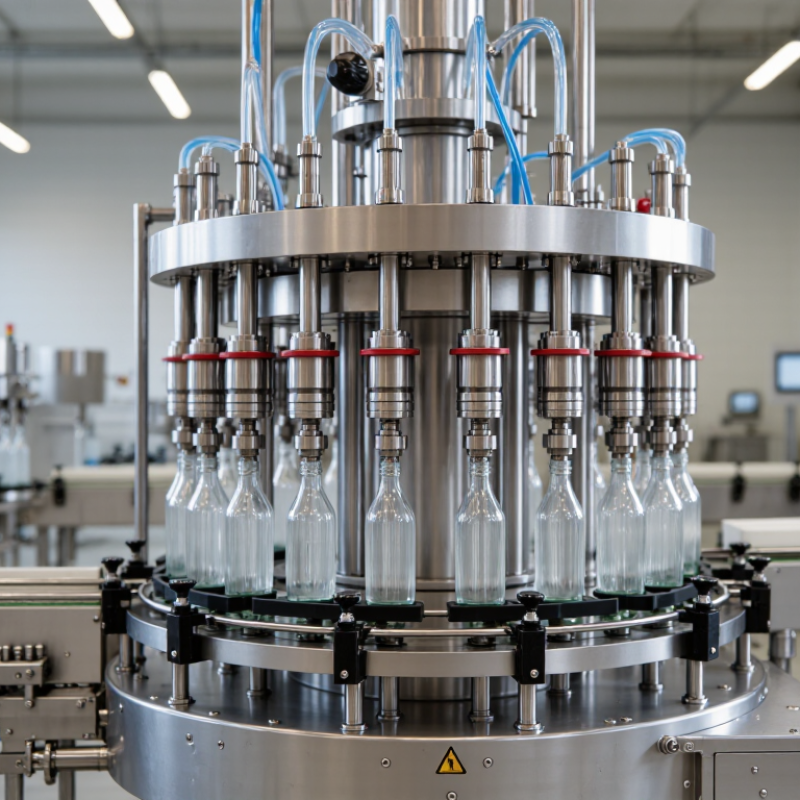
Define Product Characteristics and Filling Requirements
Before comparing machines, describe the product at its real operating temperature. A syrup that pours easily when warm may move slowly after cooling. Record viscosity, density, temperature range, and whether the product contains pulp, crystals, or other particles. Note foaming, settling, and sensitivity to air. Small details matter.
Then define the fill itself. Specify the target volume or weight, acceptable variation, container shape, opening size, and material. A narrow-neck bottle may need a different nozzle from a wide tub. State the required output per hour, but include changeover time and expected pauses. Peak speed looks impressive on paper. It may not match a normal production shift.
Choose a filling method that suits those conditions, not just the product name. Gravity, piston, pump, and flow-meter systems each handle different product behaviors and accuracy needs. Ask how easily wetted parts can be inspected and cleaned, and confirm their materials are compatible with the product. Run trials using actual product and containers when possible. Measure fill consistency across several cycles. A sample that behaves perfectly on the bench may act differently on a warm line; that uncertainty deserves a closer look.
10 Tips for Choosing an Industrial Filling Machine - Define Product Characteristics and Filling Requirements
| Tip | Product Characteristics to Define | Filling Requirement | Potential Filling Approach | Questions to Confirm |
|---|---|---|---|---|
| 1. Measure viscosity | Record viscosity at the actual filling temperature. Note whether the product flows easily or becomes thicker when cooled. | The product must flow consistently through the feed system and filling nozzle. | Gravity or overflow filling may suit many free-flowing liquids; piston or pump-based systems are often considered for thicker products. | Does viscosity change with temperature, mixing, or time? Is the product shear-sensitive? |
| 2. Check for particulates | Document particle size, shape, concentration, and whether particles settle or remain suspended. | Particles must pass through the product path without clogging, crushing, or separating excessively. | Consider a suitable piston or pump system, a product path with adequate clearance, and a nozzle sized for the largest particle. | What is the largest particle? Can the mixture be gently agitated during filling? |
| 3. Assess foaming and aeration | Identify whether the product foams when poured, splashed, or exposed to air. | Minimize bubbles, overflow, and inconsistent fill levels. | A diving nozzle that fills from the bottom upward, controlled flow, or a staged filling cycle may help reduce splashing. | Does foam dissipate quickly? Is headspace or appearance especially important? |
| 4. Identify product behavior | Determine whether the product is shear-sensitive, temperature-sensitive, abrasive, or prone to settling. | Maintain product quality while ensuring repeatable delivery to each container. | Specify gentle pumping or mixing where needed, and select product-contact components compatible with the product. | Can pumping or agitation change the product’s texture, stability, or performance? |
| 5. Define the container | Record container material, shape, opening size, capacity, and dimensional variation. | Position containers reliably and deliver product without spills or damage. | Match the nozzle, container handling, and change parts to the container opening and production format. | Will the same line handle multiple container sizes or materials? |
| 6. Set the fill volume or weight | Specify the target quantity and how it will be measured: by volume, weight, or fill level. | Achieve the required consistency while accounting for product density and measurement method. | Volumetric dosing, gravimetric filling, or level-based filling may be appropriate depending on the product and package. | Is the target defined by net weight, volume, or visual level? What tolerance applies to the product and market? |
| 7. Set the accuracy requirement | Consider product value, package size, product variability, and applicable legal requirements. | Specify an acceptable fill variation and a method for verifying performance. | Evaluate the complete system under real production conditions; accuracy depends on the product, container, machine setup, and operating conditions. | How will fill performance be sampled, recorded, and adjusted during a production run? |
| 8. Choose a realistic production rate | Estimate required output by shift, container size, and product type. | Meet production targets without sacrificing fill consistency or creating excessive splashing. | Compare the required line speed with the number of filling heads, container handling, and product delivery capacity. | Does the rate include changeovers, cleaning, replenishment, and normal downtime? |
| 9. Plan cleaning and product changeovers | Identify allergen, hygiene, residue, and cross-contamination risks, as well as the number of products run on the line. | Clean and inspect product-contact areas effectively between batches or products. | Assess access for manual cleaning or the suitability of a clean-in-place arrangement for the specific process. | How often will products change? What cleaning procedure and verification are required? |
| 10. Confirm wetted-material compatibility | Review product chemistry, temperature, cleaning agents, and any corrosive or abrasive properties. | Prevent unwanted reactions, corrosion, contamination, and premature wear. | Specify compatible materials and seals for every product-contact component, based on the product and cleaning conditions. | Have compatibility requirements been reviewed for the product, seals, tubing, valves, and cleaning chemicals? |
Note: These are general selection guidelines. Confirm machine suitability, materials, fill performance, and cleaning procedures through product-specific testing under expected operating conditions.