

R&D Ergo new logo

ERGONOMIC SOLUTIONS FOR OVER 25 YEARS.

To serve you better | Now merging service and customer support with our sister company Liftsafe Engineering and Service Group.

7 Surface Mount Machine Buying Tips for Global Buyers

A Surface Mount Machine can shape a factory’s output for years, so a purchase deserves more than a quick comparison of price and placement speed. Global buyers must weigh board dimensions, component range, feeder capacity, software compatibility, local service, and operator training. A fast machine may still be the wrong fit. A 0201 component, a tall connector, or a sudden product change can expose limits that a sales brochure never shows.

SMT manufacturing expert Michael Ford’s work emphasizes connected, data-aware production. A practical buying principle, paraphrased from that perspective, is: “Choose equipment for stable, traceable production—not headline speed alone.” Buyers should ask suppliers to demonstrate representative boards, changeovers, error recovery, and actual cycle times. Request the test conditions in writing. Check whether quoted output assumes ideal loading, a specific board mix, or extra equipment. Small details matter.

Service matters, too. Confirm spare-part availability, response times across time zones, software updates, and remote-support arrangements. Ask to speak with a customer running a similar product mix. Bring your own sample board if possible. Watch the feeder setup. Notice how operators clear a fault. These moments reveal more than polished presentations. Still, no checklist removes every uncertainty. That is worth admitting. A machine that performs well in a demonstration may behave differently under real shift pressure. The guide below offers seven practical buying tips to help global buyers compare options, challenge assumptions, and select a Surface Mount Machine that fits their production needs.
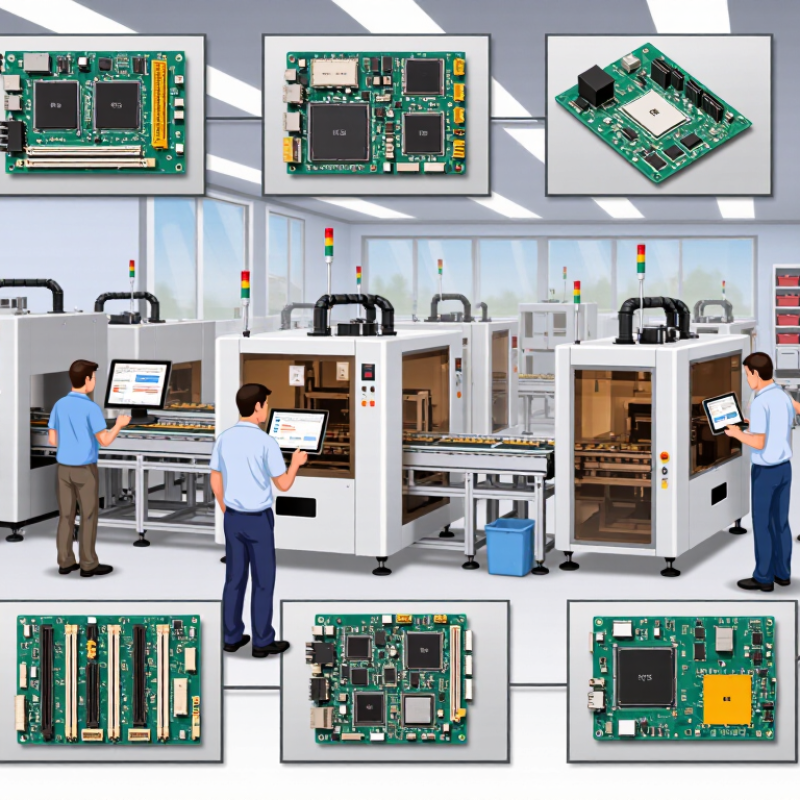
7 Surface Mount Machine Buying Tips for Global Buyers

Define Production Needs and Machine Requirements

Define the production job before comparing machine specifications. Record the required boards per hour, daily shift length, and product mix. Include board dimensions, component packages, and the smallest parts the line must place. Be specific. A machine that handles large components may still struggle with fine-pitch devices or frequent product changes.

Do not rely on advertised placement speed alone. Feeder loading, vision checks, changeovers, and operator workflow all affect real output. List required feeder capacity, placement accuracy, and software connections to existing equipment. Then check the factory’s floor space, power supply, and local service options. Small details matter. A narrow aisle can make routine feeder access awkward.

Set requirements for current products and likely changes over the next few years, but avoid paying for capacity you cannot use. Estimate realistic output using your own board files and component list where possible. This estimate will not be perfect; assumptions about future orders often change. Write those assumptions down, and ask suppliers to explain how setup time and product mix affect their quoted throughput. A paper target can look convincing while hiding a slow changeover.

Compare SMT Machine Types and Key Specifications

SMT placement machines fall into three practical groups: flexible low-volume platforms, modular mid-volume lines, and dedicated high-speed systems. Flexible machines handle frequent product changes and mixed component sizes. Modular lines balance speed with feeder capacity. Dedicated systems suit stable, high-volume boards, but their headline placement rates can mislead. Actual output depends on component mix, nozzle changes, board travel, and inspection stops.

Compare rated placements per hour with placement accuracy, supported component range, feeder capacity, and maximum board dimensions. Ask suppliers to test your own board data, not just a reference panel. Small details matter. A 0201 component and a large connector create very different placement demands. IFR’s World Robotics 2024 report records 541,302 industrial robot installations worldwide in 2023, showing automation remains a major manufacturing investment; that figure covers all industries, not SMT machines specifically. Treat it as context, not a placement-speed benchmark. Also check changeover time and service access.

One buying assumption deserves another look: the fastest machine may not deliver the best line output when product changeovers are frequent.

A few specifications still need real-board testing.

Evaluate Supplier Quality and After-Sales Support

A dependable surface mount machine supplier should provide evidence, not just polished claims. Ask for factory inspection records, assembly procedures, and sample acceptance reports. These documents show whether checks are repeatable or depend on one experienced technician. Request a live demonstration using a representative circuit board, not only a prepared test piece. Watch component placement, feeder changes, and alarm recovery. Small details matter.

Review how the supplier handles quality issues after delivery. Ask who answers technical questions, what response times are typical, and whether remote troubleshooting is available across your time zone. Confirm what training includes: machine setup, program creation, routine cleaning, and fault diagnosis. A clear service scope is more useful than a vague promise of “full support.” It is also reasonable to request anonymized examples of resolved service cases.

Before purchasing, clarify spare-parts availability, warranty exclusions, and the process for reporting defects. Get key commitments in writing, including any costs for travel or replacement parts. A checklist helps, but it cannot reveal every weakness. I would also speak with a recent customer, if possible, and ask what happened during an actual production stoppage. The answer may be less polished, but more revealing.

Calculate Total Costs and Check Global Compliance

The machine price is only the visible part of the investment. Build a cost sheet that includes feeders, nozzles, software options, installation, operator training, freight, insurance, import duties, and taxes. Add likely spending on spare parts, preventive maintenance, and production downtime during commissioning. Ask for shipping terms and a written list of included accessories; two similar quotes may cover very different setups. A quote can look complete while leaving out feeder carts or local electrical work. Small omissions matter. Even a careful spreadsheet can miss a setup fee, so revise it when the supplier clarifies what is included.

Check destination-country requirements before placing an order. Confirm the machine’s electrical supply, plug configuration, safety documentation, and electromagnetic compatibility requirements with qualified local advisers or relevant authorities. Ask for test reports, manuals, and conformity documents that match the exact machine configuration, not a generic model family. Verify whether the documents are accepted in the country where the equipment will operate. Also check customs paperwork, labeling, and whether local service technicians can support installation. Do not assume a certificate accepted in one market will be sufficient elsewhere. Check twice. Keep copies of the supplier’s written answers and compare them against your purchase specification before approving shipment.

Plan Shipping, Installation, Training, and Maintenance

Before paying a deposit, map the machine dimensions, crate sizes, loading access, and delivery route. Ask for packed weight and lifting points, then confirm your site can receive the shipment. Freight delays happen. Keep buffer days before production commitments. A common blind spot is budgeting for transport but not unloading equipment or handling fees. Verify these costs with your logistics provider.

Tip: Book installation after checking power, compressed air, exhaust, and floor space against the machine specifications. Photograph the installation area and share measurements early. On arrival, inspect the crates for impact damage before signing delivery records. Do not rush setup. Arrange operator and maintenance training around real jobs, including feeder changes, nozzle checks, and basic fault recovery. Training is less useful when everyone watches but nobody practices.

Tip: Request a maintenance schedule listing service intervals, required tools, and wear parts. Keep common consumables on site and record machine settings after successful runs. Confirm who answers technical questions across time zones and how parts will be dispatched. Documenting small issues may feel excessive, but those notes can reveal recurring stoppages. Review them monthly and adjust the plan; the first schedule will probably need revision.

7 Surface Mount Machine Buying Tips for Global Buyers - Plan Shipping, Installation, Training, and Maintenance

No. Buying Tip What to Confirm Practical Planning Data Questions to Ask Before Ordering
1 Match capacity to the production plan Compare placement speed with the actual mix of component sizes, feeder count, board dimensions, changeover frequency, and required placement accuracy. Published peak speed may not reflect a mixed production line. Estimate required output using real product and line data, then allow capacity for setup, replenishment, inspection, and planned downtime. Request a sample run using representative boards and components. What production assumptions are used for the quoted speed? Can the supplier provide a cycle-time estimate or sample-run results for our board and bill of materials?
2 Plan shipping and site access Obtain the machine's packed dimensions and gross weight, plus crate details for conveyors, feeders, carts, and accessories. Check doorways, lifts, floor loading, unloading equipment, and the route to the installation area. Ask for a packing list and shipment dimensions before booking freight. Transit and customs-clearance times vary by route, season, carrier, and documentation, so include schedule contingency rather than relying on a single transit estimate. Is the quote based on EXW, FCA, FOB, CPT, CIP, DAP, or another Incoterm? Who arranges export packing, cargo insurance, import clearance, duties, unloading, and final delivery?
3 Check electrical and facility requirements Confirm the required supply voltage, phase, frequency, rated current, compressed-air pressure and flow, exhaust needs, ambient conditions, and any network connections. Requirements depend on the exact machine configuration. Have a qualified local electrician and facilities team review the supplier's installation manual before shipment. Verify grounding, circuit protection, air quality, and any local electrical or workplace-safety requirements. Can the machine be configured for our site's electrical supply? What utilities and connection points must be ready before the installation team arrives?
4 Define installation and acceptance Agree on the scope of commissioning, required site readiness, installation responsibilities, acceptance criteria, and the process for recording issues. Confirm whether installation is on-site or remote. Reserve time for positioning, leveling, utility connection, software setup, feeder configuration, and trial production. The actual schedule depends on line scope, site readiness, and product complexity. What tasks are included in installation? Who supplies rigging and utilities? What measurements or production tests are used for acceptance, and how are open issues resolved?
5 Arrange role-based operator training Plan training for operators, programmers, maintenance staff, and production engineers. Cover job setup, feeder loading, changeovers, error recovery, preventive checks, and safe operating procedures. Set aside dedicated training time during commissioning and identify trainees in advance. Request training materials in a language the team can use, along with access to software guides and follow-up support. How many trainees can attend? Is training included in the quotation? Are remote refresher sessions, translated documentation, and training records available?
6 Evaluate service and spare-parts support Review warranty coverage, response channels, service hours, remote-diagnostic options, technician availability, and the process for ordering replacement parts across borders. Identify wear parts and components with long replenishment times. Consider keeping a site-specific spare-parts kit based on expected usage, lead times, and the operational impact of a machine stoppage. Which parts are recommended for local stock? What are typical dispatch arrangements and warranty exclusions? Can support staff access the machine remotely with our approval?
7 Set a documented maintenance plan Ask for routine inspection, cleaning, lubrication, calibration, software backup, and safety-check procedures. Confirm which tasks are operator-level and which require qualified service personnel. Use the manufacturer's maintenance schedule and keep dated service records. Plan maintenance windows around production, and verify that consumables and approved cleaning materials are available locally. What maintenance tasks and intervals are specified in the manual? Are calibration tools or special software required? How are software updates and configuration backups handled?

Planning note: Shipping, installation, utility, training, and maintenance requirements vary by machine configuration, destination, and site conditions. Confirm final specifications and responsibilities in the supplier's quotation, technical documents, and purchase contract.