

What Is Stainless Steel Hollow Bar Used For?
Stainless Steel Hollow Bar is used when a component needs a strong, corrosion-resistant exterior and a ready-made central bore. Its hollow form can reduce machining time and material waste compared with drilling a solid bar, especially for repeated production runs. You may find it in pump shafts, valve parts, hydraulic cylinders, food-processing equipment, and marine components. The exact application depends on the stainless grade, dimensions, and operating conditions. A bar that performs well in a dry workshop may not suit warm, chloride-rich service.
The central bore is only part of the decision. Engineers also consider wall thickness, concentricity, surface finish, load, temperature, and exposure to chemicals. A machinist can inspect the cut face, check the bore with a gauge, and review the material certificate before production. Small differences matter. Poorly matched dimensions can mean extra machining or a part that does not fit.
John C. Lippold is a recognized welding-metallurgy researcher, though no verified quotation from him about hollow bar is available here. A useful editorial principle is: “Choose the grade and geometry for the service, not just the lowest purchase price.” Treat that as guidance, not a verbatim quote. This article explores where Stainless Steel Hollow Bar fits, what buyers should check, and where its advantages may fall short. One detail deserves reflection: a hollow bar can save stock, but it does not automatically make a finished component lighter or cheaper. The final design decides.
What Is Stainless Steel Hollow Bar?
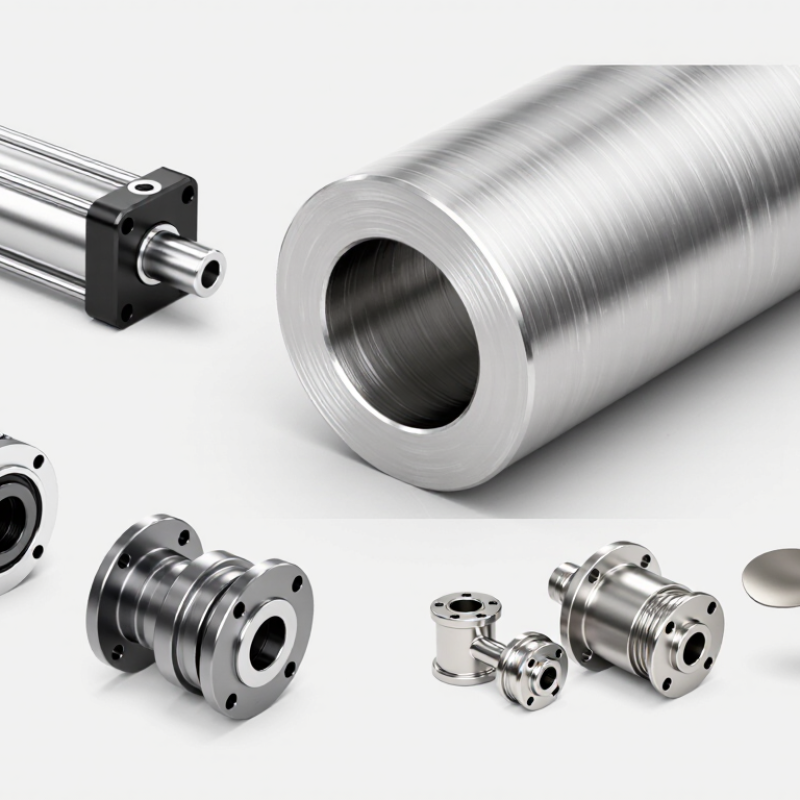
A stainless steel hollow bar is a long metal product with a solid outer wall and an open passage through its center. It is commonly round, though other profiles are available. The material contains chromium, which helps form a surface layer that resists corrosion. Nickel or molybdenum may also be added, depending on the grade and intended environment.
It is not simply a pipe with a different name. Hollow bar is generally selected as a machining starting point, with dimensions chosen to leave enough material for turning, boring, or threading. A machine shop might cut a short length, clamp it in a lathe, and shape a valve body while removing less metal than it would from a solid billet. That can reduce machining time and waste, but the result depends on tolerances and material condition.
Details matter. Grades differ in strength, corrosion resistance, and performance at elevated temperatures. A bar used near salt spray may need a different specification from one used in a dry indoor mechanism. Its inner surface can also be harder to inspect after machining. Not every hollow bar suits every job. Check dimensions, grade, and applicable material documentation before specifying it.
What Is Stainless Steel Hollow Bar Used For?
Stainless steel hollow bar is commonly machined into shafts, bushings, spacers, rollers, and fluid-handling components. Its hollow center can reduce weight and machining waste compared with solid bar. The chart shows calculated mass per metre for illustrative outside-diameter × inside-diameter sizes, assuming a stainless steel density of 8,000 kg/m³. Actual mass depends on the alloy and dimensional tolerances.
How Is Stainless Steel Hollow Bar Made and Classified?
What Is Stainless Steel Hollow Bar Used For?
How Is Stainless Steel Hollow Bar Made and Classified?
Stainless steel hollow bar is produced with a central opening, either by piercing a heated billet or machining solid stock. In seamless production, a mandrel helps form the bore, while rolling controls the outside diameter and wall thickness. Some grades receive heat treatment and pickling to improve material properties and remove surface scale. Classification commonly depends on alloy grade, production method, dimensions, and surface finish. Specifications vary, so two bars with similar dimensions may not be interchangeable.
The hollow center reduces weight and can leave less material to remove during machining. This makes hollow bar useful for shafts, valve components, fittings, and other precision parts. Grade selection depends on the environment: moisture, chemicals, temperature, and wear can all matter. A polished surface may suit visible or hygienic equipment, while rougher stock may need extra finishing. Details matter. Even a small difference in bore size can affect machining plans and fit.
What Properties Make It Suitable for Industrial Use?
Stainless steel hollow bar is used for components that need a strong outer section and a precise central bore. Common examples include pump shafts, sleeves, spacers, and machined parts in food-processing or marine equipment. The hollow form can reduce weight and machining time compared with starting from solid bar. That can matter when producing many parts. Less waste, too.
Its suitability comes from a useful mix of strength, corrosion resistance, and temperature tolerance. Chromium in stainless steel helps form a protective surface layer, though performance depends on the grade and surrounding conditions. Salt spray, cleaning chemicals, and stagnant moisture can still cause problems. Grade selection matters. Hollow bar can also be machined to tight dimensions, but the bore must be checked for straightness and consistency. A rough or off-center bore may cause vibration in a rotating assembly. Some grades machine less easily than carbon steel, so tooling and cutting parameters need care. It is not a magic fix. Engineers should consider load, wall thickness, operating temperature, and exposure before specifying the material. A small detail, such as a sharp internal edge, may also affect fatigue life.
Where Is Stainless Steel Hollow Bar Commonly Used?
Stainless steel hollow bar is commonly used where a component needs corrosion resistance and a machined bore. In water-treatment plants, it can become pump shafts, valve stems, and filter-system fittings. Food-processing lines use machined hollow sections for mixer shafts and washdown equipment. Chemical plants and marine facilities also use them for pump and handling components exposed to moisture or corrosive media. The exact grade matters.
The International Stainless Steel Forum reported 58.4 million tonnes of global stainless crude-steel production in 2023. That figure reflects the wider material market, not hollow-bar sales, but it shows stainless steel’s industrial scale. Hollow stock can reduce machining time and material waste when the finished part already needs a central bore. Not every design benefits. A solid bar may be simpler for short parts or small bores.
In practice, engineers match the grade to the fluid, temperature, and cleaning routine. A part exposed to chloride-rich water may need different consideration from one used in a dry workshop. Surface finish and tolerances matter, too: a pump shaft must fit its seals closely, while a rough internal bore can complicate cleaning. Hollow bar is useful, but it is not a substitute for checking service conditions.
What Is Stainless Steel Hollow Bar Used For? - Where Is Stainless Steel Hollow Bar Commonly Used?
| Application Area | Common Uses | Why Hollow Bar Is Used | Typical Stainless Steel Grades | Selection Considerations |
|---|---|---|---|---|
| Fluid-handling equipment | Pump shafts, valve components, manifolds, and selected pressure-containing parts | The central bore can reduce machining time and material removal when a hollow design is suitable. | 304/304L, 316/316L | Confirm pressure, temperature, corrosion exposure, design requirements, and applicable codes. Hollow bar is not automatically a substitute for certified pipe or tubing. |
| Food and beverage processing | Equipment shafts, rollers, fittings, and machined components used around washdown areas | Stainless steel can provide corrosion resistance and a cleanable surface when the correct grade and finish are specified. | 304/304L, 316/316L | Consider cleaning chemicals, chloride exposure, surface finish, crevice risks, and applicable hygienic design requirements. |
| Chemical and process plants | Machined shafts, agitator components, instrument parts, and corrosion-resistant equipment components | A hollow section can lower component weight and provide space for passages or internal features. | 316/316L; other alloy grades may be needed for severe service | Choose the material based on the specific chemicals, concentration, temperature, and exposure conditions; stainless steel is not resistant to every chemical. |
| Marine and coastal equipment | Machinery shafts, deck hardware components, and structural or mechanical parts exposed to marine atmospheres | Hollow construction can reduce weight while retaining material around the outside diameter for machining or assembly. | 316/316L is commonly considered; grade suitability depends on exposure | Seawater and salt deposits can cause pitting or crevice corrosion. Evaluate exposure, maintenance, design, and the need for a more corrosion-resistant alloy. |
| Automotive and general engineering | Drive components, sleeves, spacers, rollers, and precision-machined parts | Can provide a ready-made bore and reduce waste in components designed around a hollow profile. | 303, 304/304L, 316/316L | Balance corrosion resistance, machinability, strength, tolerances, and required surface condition. |
| Construction and architectural fabrication | Machined connectors, support components, handrail fittings, and decorative hardware | Offers a corrosion-resistant material option and may simplify production of tubular or bored parts. | 304/304L for many general environments; 316/316L for more corrosive exposure | Account for the local environment, appearance, load requirements, fabrication method, and maintenance plan. |
| Oil, gas, and energy equipment | Selected machined components, instrument parts, sleeves, and equipment shafts | The bored form can suit components that require an internal passage or reduced mass. | 316/316L and other specified grades, depending on service | Verify pressure and temperature requirements, fluid compatibility, mechanical properties, and project specifications before use. |
Note: Stainless steel hollow bar is a solid metal product with a central bore, typically supplied for machining. Grade, dimensions, tolerances, finish, and certification should be selected for the intended service; it is distinct from standard pipe and tube products.
How Do You Choose the Right Hollow Bar for an Application?
Choosing a stainless steel hollow bar starts with the job it must do, not just its grade. List the loads, operating temperature, and substances it will contact. A shaft near saltwater spray, for example, faces different corrosion demands than a spacer inside a dry machine. Small detail, big difference.
Match the outer diameter, bore, wall thickness, and straightness to the component drawing. These dimensions affect stiffness, weight, and how much material remains after machining. Check whether the supplier’s tolerances leave enough stock for turning or boring. It is easy to overlook this. Then a finished part may miss its required size. For chloride exposure, grade 316 may offer better resistance than grade 304, but it is not immune to corrosion. More demanding combinations of strength and corrosion resistance may call for duplex stainless steel, subject to engineering review.
Ask for material certificates and confirm the applicable product standard, heat treatment, and test requirements. Consider weldability and the intended finishing process, too. A polished surface can help with cleaning, but it cannot correct poor design or unsuitable material. There is no universal best choice. Recheck assumptions against real service conditions, especially when fluid chemistry or temperature changes over time.

