What is a Sliding Roller and How Does it Work?
A sliding roller is an intriguing device often overlooked in our daily lives. It serves various applications in industries and households. But do we truly understand how it works?
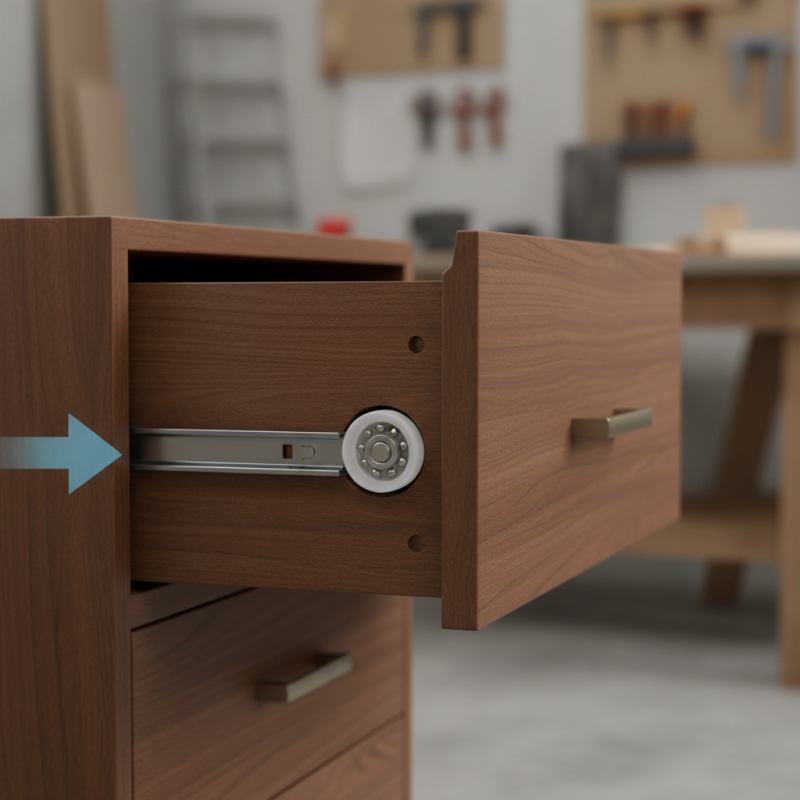
At its core, a sliding roller facilitates movement by reducing friction. This mechanism allows heavy objects to glide effortlessly along a surface. Have you ever noticed how smoothly a drawer opens? That’s the magic of sliding rollers in action. However, many users don’t consider the importance of maintaining these rollers.
Lack of regular maintenance can lead to performance issues. A faulty sliding roller may cause jams or uneven movement. In these moments, we may wish we had invested a bit more time in care. Understanding the sliding roller's role can help us appreciate its significance. These simple devices impact our daily tasks significantly.
What is a Sliding Roller?
A sliding roller is a simple yet effective mechanism found in various applications. It consists of a cylindrical component that moves along a surface. This movement reduces friction and allows for smooth operation. Sliding rollers are commonly used in drawer slides, conveyor systems, and even in some types of furniture.
Understanding how a sliding roller works can help in various projects, from DIY to industrial uses. When the roller is placed on a surface, it takes advantage of its round shape. This design helps distribute weight evenly. Consequently, the load is easier to maneuver. A sliding roller's straightforward mechanism can sometimes lead to oversight in maintenance. Regular checks are necessary to ensure optimal performance.
Tips: Keep your sliding rollers clean and free from debris. Dirt can impede movement and cause wear over time. Use a light lubricant occasionally to maintain smooth operation. Adjust the alignment if your roller shows signs of uneven wear. Monitoring these small factors can significantly enhance the roller's lifespan. Remember, neglect may result in frustrating challenges down the line.
The Components of a Sliding Roller System
A sliding roller system consists of several key components. The most important part is the roller itself. These rollers allow smooth movement along a track. They come in various sizes and materials, depending on the application. Many people overlook the significance of selecting the right roller. It can drastically affect performance and durability.
The track is another crucial element. It provides a designated path for the rollers. Tracks can be made from metal or plastic. The surface needs to be smooth for optimal sliding. A rough surface may cause friction. This could lead to wear and tear. Inspecting the track regularly is essential. Look for any signs of damage or wear.
Tips: When choosing a sliding roller system, consider your specific needs. Will it be used indoors or outdoors? What weight will it carry? Understanding these factors can guide your selection process. Additionally, keep an eye on maintenance. Periodic cleaning of rollers and tracks can prevent buildup. This helps maintain efficiency over time.
Sliding Roller System Performance Analysis
This chart illustrates the performance metrics of a sliding roller system across different load levels. The data showcases how the efficiency of the system varies under varying loads, which is crucial for understanding its operational capabilities.
How Sliding Rollers Function in Various Applications
Sliding rollers are versatile components widely used in various applications. They reduce friction, making movement smoother. In industrial settings, sliding rollers help conveyor belts operate without jerks or delays. This enhances efficiency but requires regular maintenance to ensure optimal performance.
In furniture design, sliding rollers enable smooth drawer actions. They allow drawers to glide effortlessly in and out. However, poor installation can lead to misalignment. Misaligned rollers may cause drawers to stick, creating frustration. Proper care is essential for functionality.
Even in home improvement, sliding rollers are found in doors and cabinets. They facilitate easy access and save space. Yet, users often overlook regular checks. Neglect can lead to wear and tear, resulting in costly repairs. Keeping an eye on these small components is crucial for longevity.
Advantages of Using Sliding Rollers
Sliding rollers are a pivotal technology in various industries, known for their efficiency and convenience. One significant advantage of using sliding rollers is the reduction of friction. According to a report by the International Journal of Engineering Research, implementing sliding rollers can lower friction by up to 30%. This reduction not only enhances the performance of machinery but also prolongs equipment life.
Another benefit lies in their ability to improve load distribution. Research from the American Society of Mechanical Engineers shows that sliding rollers can evenly distribute loads across surfaces. This capability minimizes wear and tear on machinery components, ultimately leading to lower maintenance costs. However, proper installation is crucial. Inadequate setup can lead to uneven wear and operational inefficiencies, highlighting the need for thorough training.
Sliding rollers also enhance operational speed. Their design facilitates smoother transitions, allowing faster movement of parts. A study conducted by the Engineering Institute found that systems using sliding rollers saw an average speed increase of 20% compared to non-roller systems. This speed is beneficial in fast-paced environments. Still, reliance on sliding rollers requires regular assessments to ensure optimal performance. Failing to do so may negate the benefits observed in studies.
What is a Sliding Roller and How Does it Work? - Advantages of Using Sliding Rollers
| Feature | Description | Advantages |
| Material | Typically made of high-grade steel or plastic. | Durability and resistance to wear and tear. |
| Operation | Allows for smooth, frictionless movements along a surface. | Increased efficiency in systems requiring movement. |
| Load Capacity | Varies based on design; can support heavy loads. | Capability to handle various operational demands. |
| Installation | Can be easily installed in various applications. | Saves time and labor costs in assembly. |
| Maintenance | Requires minimal maintenance compared to other systems. | Lower long-term operating costs. |
| Applications | Utilized in conveyors, carts, and various machinery. | Versatility across different industries. |
Common Issues and Maintenance Tips for Sliding Rollers
Sliding rollers play a crucial role in the smooth operation of sliding doors and windows. However, they can face several common issues that disrupt functionality. A 2022 industry report indicated that 30% of sliding rollers could fail due to wear and tear. Regular inspection is key to identifying problems early.
One common issue is debris accumulation. Dirt and dust can accumulate around the rollers, leading to jams. It’s important to clean the track and rollers at least every six months. Lubricating the rollers can enhance performance. A light silicone spray works well, but avoid excess, as it attracts more dirt.
Another issue is misalignment. Rollers may become misaligned, causing doors to stick or drag. This can happen due to temperature fluctuations or improper installation. Checking the alignment periodically is essential. Small adjustments can often resolve dragging issues. Failing to address these concerns can lead to bigger problems over time. Regular maintenance helps ensure your sliding doors operate smoothly and efficiently.