

How to Choose the Best Hookah Diffuser for Your Needs
Choosing the best Hookah Diffuser starts with a simple question: what do you want to change about your setup? Some users want quieter bubbling. Others prefer a steadier draw or fewer splashes in the stem. These are practical differences, but product descriptions do not always explain how a diffuser will perform with a particular hookah.
The market is substantial. Grand View Research’s 2024 Hookah Market report estimated global market revenue at about USD 2.6 billion in 2023. That figure describes the wider market, not diffuser sales or product quality. It does, however, show why buyers encounter many designs, materials, and price points. A market estimate cannot tell you which diffuser fits your stem. Measurements can. Check the inner stem diameter, diffuser length, attachment style, and available clearance before buying. A part that looks compatible online may sit too tightly or extend too far.
There is also an important limit to what a diffuser can do. The World Health Organization’s 2015 waterpipe advisory notes that water does not make waterpipe smoke safe. A diffuser changes airflow and bubbling; it should not be presented as a health-protection device. Keep those claims separate. When comparing options, consider fit, cleaning access, durability, and the maker’s specifications. User feedback can help, but it may reflect different equipment. I would treat dramatic performance claims cautiously. There is little independent, standardized testing that lets shoppers compare diffuser results across brands. That gap matters. A careful choice depends on measurements and realistic expectations, not a promise of a perfect draw.
What a Hookah Diffuser Is and How It Changes the Smoking Experience
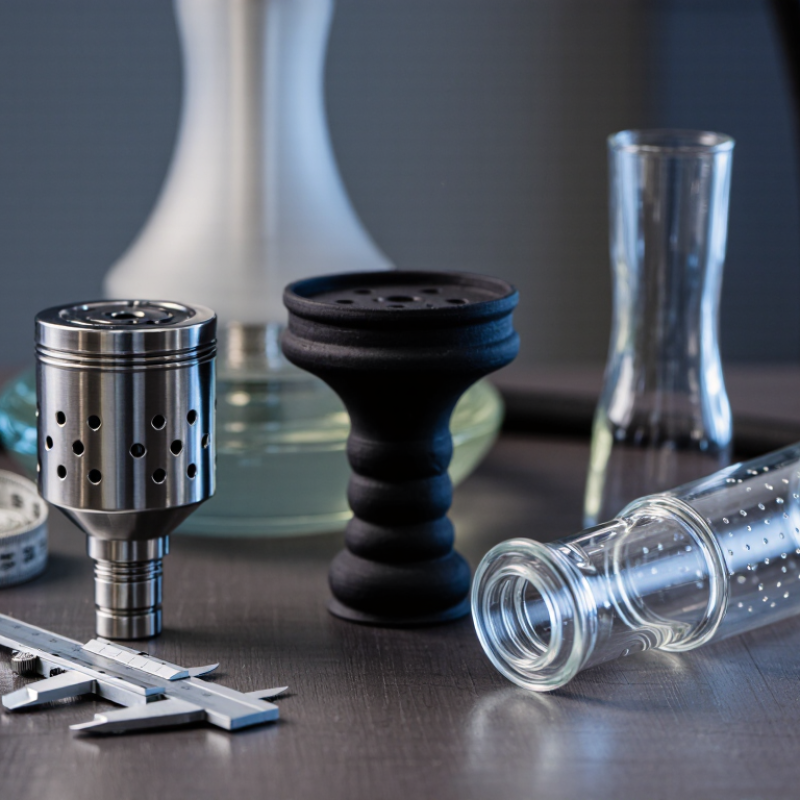
A hookah diffuser is a small attachment fitted to the downstem, the tube that carries smoke into the water. It usually has several tiny openings near its tip. These openings split one stream into many smaller bubbles. The effect is easy to notice: instead of a few loud gulps, the water often produces a softer, steadier fizz. Some people find that sound more relaxing. Others miss the familiar bubbling.
The diffuser can also change how the bowl feels to draw. Smaller bubbles may reduce resistance and make each inhale feel smoother, though the result depends on the hookah, water level, and attachment fit. A loose connection can leak air; too much water can still make a pull feel heavy. Check that the piece sits securely, then compare the draw with and without it. Small differences matter.
Smoother does not mean safer. A diffuser does not remove the health risks of inhaling smoke, and a gentler draw can make it easier to take larger or longer inhales. Cleaning matters, too. Narrow openings can collect residue, so rinse and inspect them after use. Not every setup improves. If the sound, draw, or maintenance feels worse, the diffuser may simply not suit your preferences.
How to Choose the Best Hookah Diffuser for Your Needs — What a Hookah Diffuser Is and How It Changes the Smoking Experience
| Diffuser Setup | How It Works | Typical Draw and Sound | Potential Benefits | Things to Consider | Best Suited For |
|---|---|---|---|---|---|
| No diffuser | The downstem ends in an open tube below the waterline, producing larger bubbles as air passes through. | Often a more noticeable bubbling sound and a familiar, open draw. | Simple setup with no extra part to fit or clean. | Can be noisier than a diffuser; bubbling and water movement depend on the pipe’s design and water level. | People who prefer a traditional hookah sound and straightforward setup. |
| Fixed multi-hole diffuser | Small openings at the end of the downstem divide airflow into multiple streams, generally creating smaller bubbles. | Often quieter bubbling; the draw may feel different depending on the number and size of the openings. | Can reduce bubbling noise and water agitation during a session. | Check that the diffuser matches the downstem diameter and can be reached for cleaning. | Regular users looking for quieter operation without frequently changing the setup. |
| Removable slip-on diffuser | A separate attachment fits over the downstem and disperses airflow through its openings. | May soften bubbling sounds; draw resistance varies by attachment design and fit. | Can be added to some compatible downstems and removed for cleaning or comparison. | Measure the downstem’s outer diameter and confirm a secure fit; a loose attachment may shift during use. | Users who want to try a diffuser without replacing the downstem. |
| Adjustable or slotted diffuser | Adjustable openings or slots let the user change how much of the airflow is dispersed. | Sound and draw can be tuned within the limits of the design. | Offers more control over the balance between an open draw and reduced bubbling noise. | Moving parts or narrow slots may need extra attention during cleaning; adjustment does not guarantee a particular draw. | Experienced users who like to customize their setup. |
| Choosing the right size | Compatibility depends on the downstem’s diameter, attachment style, and available clearance inside the base. | A well-fitted diffuser stays in place and allows airflow; an unsuitable fit can affect the draw. | Checking measurements before purchase helps avoid loose or incompatible parts. | Compare the product’s stated fitting range with the downstem measurement; designs are not universally interchangeable. | Anyone buying a replacement or add-on diffuser. |
| Cleaning and maintenance | Water, residue, and debris can collect around the diffuser openings and downstem. | Blocked openings may make airflow feel restricted or uneven. | Regular rinsing and brushing help keep the airflow path clear. | Use a brush that fits the openings and follow the material’s care instructions; let parts dry before storage. | All users, especially those choosing designs with small openings or moving parts. |
In brief: A hookah diffuser is a perforated attachment or downstem feature that disperses airflow into smaller bubbles. It can reduce bubbling noise, but its effect on draw depends on the design, fit, and setup. A diffuser does not remove the health risks of hookah smoking.