

Why Are Gasket Rings Important for Sealing?
Gasket Rings are compact components, yet they help keep fluids and gases inside pipes, pumps, and process equipment. A ring sits between mating surfaces, where controlled compression fills small surface irregularities. The result depends on more than the material. Surface finish, bolt load, temperature, pressure, and chemical compatibility all affect sealing performance. A ring that looks intact can still leak if the joint is uneven or incorrectly tightened. Small details matter.
The U.S. Department of Energy’s Improving Compressed Air System Performance: A Sourcebook for Industry reports that leaks can waste 20–30% of compressor output in a typical compressed-air system. This is a system-wide estimate, not a gasket-specific failure rate. Still, it shows why leakage deserves attention. At a flange, even a minor leak can mean lost product, extra energy use, or unplanned maintenance. The exact impact varies by service and operating conditions.
Choosing Gasket Rings therefore calls for practical engineering, not guesswork. Engineers should check the media, operating limits, flange condition, and installation instructions before selecting a design. A suitable ring can support a reliable seal, but it cannot compensate for damaged faces or poor assembly. No seal is perfect. That is worth remembering when reviewing inspection intervals and replacement decisions. A careful choice reduces avoidable risk; it does not remove the need to inspect the joint.
What Gasket Rings Are and Where They Are Used
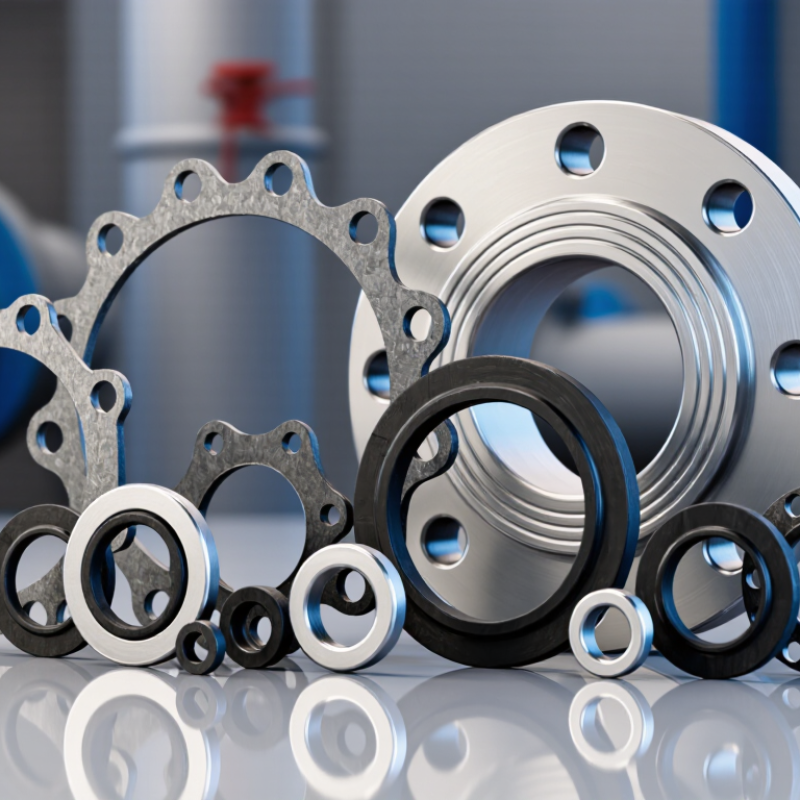
Gasket rings are sealing elements placed between mating surfaces or inside a machined groove. When compressed, they fill tiny gaps left by surface irregularities. Some are flat rings for pipe flanges; others are O-rings designed for grooves in pumps, valves, cylinders, and connectors. Materials vary, including elastomers, graphite, and metal. The right choice depends on pressure, temperature, fluid compatibility, movement, and surface finish. Small details matter. A ring that looks correct may still fail if the groove is damaged or the material swells in service.
Their uses span water lines, hydraulic equipment, heat exchangers, and engine assemblies. In a bolted flange joint, even compression helps limit leakage; ASME PCC-1 provides guidance on assembling such joints. The U.S. Department of Energy’s Improving Compressed Air System Performance sourcebook reports that leaks can waste 20–30% of compressor output in poorly maintained systems. That figure covers system leaks generally, not gasket failures alone, but it shows why small sealing defects deserve attention. A practical inspection should check for flattening, cracks, hardening, and residue around the joint. Replacement intervals are not universal. Operating conditions and maintenance records tell a better story, though records are sometimes incomplete.
How Gasket Rings Create a Seal Between Surfaces
A gasket ring seals by being compressed between two mating surfaces. Under bolt load, its softer material deforms into tiny scratches, pits, and waviness that even a machined face may have. This contact interrupts the small paths that liquid or gas could follow outward. Pressure matters. Too little compression leaves connected gaps; too much can crush the ring, distort a flange, or force material into the opening. A useful seal is not simply a tight-looking joint. It depends on continuous contact around the full circumference.
On a pump cover, uneven bolt tightening may leave one side more compressed than the other. The ring can then leak near a bolt hole, even if its dimensions seem correct. Its material must also suit the fluid, temperature, and pressure. Rubber that swells or hardens may lose its ability to recover. Surface condition and cleanliness count, too: trapped grit can create a leak path. It is easy to blame the gasket alone. Not always. Flange damage, uneven tightening, or repeated reuse may be the real cause. Checking the mating faces, following the specified compression, and tightening bolts in a crossing pattern are useful controls, though they cannot fix a damaged joint.
Why Gasket Rings Prevent Leaks and Protect Equipment
Why Are Gasket Rings Important for Sealing?
A gasket ring fills the tiny irregularities between two joined surfaces. Under the right compression, it helps keep liquid or gas inside the system. That can prevent a slow drip around a pipe flange from becoming corrosion, pressure loss, or damage to nearby components. Small parts matter.
The seal depends on more than the ring itself. Material, temperature, pressure, fluid compatibility, and surface condition all affect performance. A ring that works well with cool water may swell or harden when exposed to a different fluid or higher heat. Installers should check the equipment specifications, inspect mating surfaces for scratches, and tighten fasteners evenly. Too little compression can leave a leak path; too much may distort the ring.
Inspection also protects equipment over time. A flattened ring, visible cracking, or residue around a joint can signal that the seal needs attention. It is easy to blame the gasket. Not always. Misaligned parts, vibration, or uneven tightening may be the real cause, so replacing the ring alone might not solve the problem. Careful checks during maintenance help identify the source before a minor leak affects pumps, valves, or surrounding machinery.
Why Are Gasket Rings Important for Sealing?
Typical temperature limits show why choosing the right gasket material matters: a suitable gasket helps maintain a seal, prevent leaks, and protect equipment.
Approximate upper continuous-use temperatures in °C. Actual limits vary by material grade, fluid, pressure, and installation conditions.
How Materials and Designs Affect Sealing Performance
Gasket-ring performance depends on more than simply choosing a soft material. The ring must match the fluid, temperature, pressure, flange finish, and bolt load. An elastomer can conform well to scratches, but the wrong fluid may cause swelling or hardening. PTFE resists many chemicals, yet sustained compression can make it creep. Flexible graphite handles high temperatures, though oxidation limits its suitability in some conditions. Small details matter.
Design controls how evenly the gasket carries load. A spiral-wound ring combines metal windings with a filler, while an inner ring helps support the winding and reduce buckling. Surface finish matters too: a rough flange may create leak paths, while uneven tightening can crush one section and leave another under-compressed. ASTM F36 measures gasket-material compressibility and recovery; ASTM F37 evaluates sealability under specified test conditions. These measurements help compare materials, but they cannot replace checking the actual joint conditions. The U.S. Department of Energy’s Improving Compressed Air System Performance: A Sourcebook for Industry reports that leaks can waste 20–30% of compressor output. That figure covers system leaks broadly, not gaskets alone, but it shows why a small sealing defect deserves attention. A practical choice can still be imperfect; verify fit, load, and compatibility before installation.
Why Are Gasket Rings Important for Sealing? - How Materials and Designs Affect Sealing Performance
| Material or Design | How It Seals | Sealing Strengths | Limitations to Consider | Typical Applications | Key Design Considerations |
|---|---|---|---|---|---|
| Elastomeric ring Examples: NBR, EPDM, FKM, silicone | Compresses and elastically deforms to fill small gaps between mating surfaces. | Can provide effective sealing with relatively low closing force; useful for static and, in suitable designs, dynamic seals. | Chemical compatibility, temperature, pressure, and compression set vary by elastomer formulation. Some fluids cause swelling or degradation. | Pumps, valves, pipe connections, hydraulic and pneumatic equipment. | Select the compound for the actual fluid and service conditions. Check groove dimensions, squeeze, surface finish, and extrusion risk. |
| PTFE ring or sheet gasket | A chemically resistant polymer conforms to flange irregularities under compression. | Broad chemical resistance and low friction; suitable for many corrosive services. | PTFE can creep and relax under sustained load, potentially reducing contact stress and causing leakage if the joint is not designed appropriately. | Chemical-processing equipment, piping, and equipment handling compatible fluids. | Account for creep, bolt-load retention, flange condition, and the specific PTFE construction; filled and expanded grades behave differently. |
| Flexible graphite gasket | Compressible graphite conforms to surface imperfections and maintains contact across the joint. | Often used in demanding thermal service and can accommodate some flange movement when correctly installed. | Oxidizing conditions can limit service life at elevated temperatures. Handling, reinforcement, and media compatibility matter. | Industrial piping, heat exchangers, and equipment operating at elevated temperatures. | Check whether reinforcement is needed, and follow the gasket supplier’s requirements for flange loading, installation, and service environment. |
| Compressed fiber sheet gasket | Fibers and binder compress together to conform to flange faces and block leakage paths. | Available in formulations suited to a range of common fluids and flange conditions; can be cut into many shapes. | Performance depends on the fiber, binder, fluid, temperature, and compression. Not every grade is suitable for every service. | General industrial flanges, covers, and equipment joints. | Use the grade-specific data sheet. Consider bolt load, flange flatness, gasket thickness, and whether the joint may need retightening. |
| Cork-rubber sheet gasket | A resilient cork-and-elastomer composite compresses to seal relatively low-pressure joints. | Compressible and conformable; often useful where the mating surfaces are not perfectly smooth. | Generally not intended for high-pressure or high-temperature service; fluid resistance depends on the elastomer binder. | Covers, housings, and low-pressure equipment joints. | Avoid excessive compression that can damage the material. Confirm compatibility with the fluid and the required service conditions. |
| Metal ring gasket Examples: solid metal, spiral-wound, ring-joint | Uses metal deformation, winding, or a shaped contact profile to create a seal under substantial clamping force. | Can suit high-pressure or high-temperature joints when the gasket, flange, and bolting are designed as a compatible system. | Usually needs controlled installation and adequate seating load. Reuse may be unsuitable, and surface damage can compromise sealing. | Process piping, pressure equipment, and other engineered flange connections. | Match the gasket style and material to the flange geometry. Follow specified bolt-up procedures and inspect sealing surfaces. |
Note: These comparisons are general guidance, not service ratings. Actual sealing performance depends on the complete joint system, including material formulation, pressure, temperature, fluid, flange condition, bolt load, installation, and operating cycles. Consult application-specific technical data before selection.
How to Select and Maintain Gasket Rings
Selecting a gasket ring starts with the actual service conditions, not just the pipe size. Check the fluid, operating temperature, pressure, flange finish, and available bolt load. Then match the ring material to chemical exposure and expected compression. Elastomers can suit many moderate services; graphite or PTFE may be preferable in other conditions. Compatibility charts help, but verify them against the fluid’s concentration and temperature. Small differences matter.
Assembly matters just as much. ASME PCC-1-2022 provides guidance for bolted flange-joint assembly, including controlled tightening procedures. Use clean, undamaged flange faces and a suitable tightening sequence. Avoid reusing a ring after dismantling a joint unless its manufacturer or service procedure explicitly permits it. Excessive tightening can crush a gasket; uneven tightening can leave a leak path. Torque readings alone do not guarantee uniform gasket stress.
Maintenance should include checks for seepage, corrosion, loose fasteners, and changes in process conditions. The U.S. EPA’s 1995 Protocol for Equipment Leak Emission Estimates lists an average emission factor of 0.0015 kilograms per hour for SOCMI connectors. This is a population-average estimate, not a gasket-ring failure rate. Still, it shows why small connection leaks deserve attention. Record each inspection and repair; those notes can reveal recurring alignment or installation problems. Recheck after thermal cycling when the service procedure calls for it. There is no universal inspection interval.

