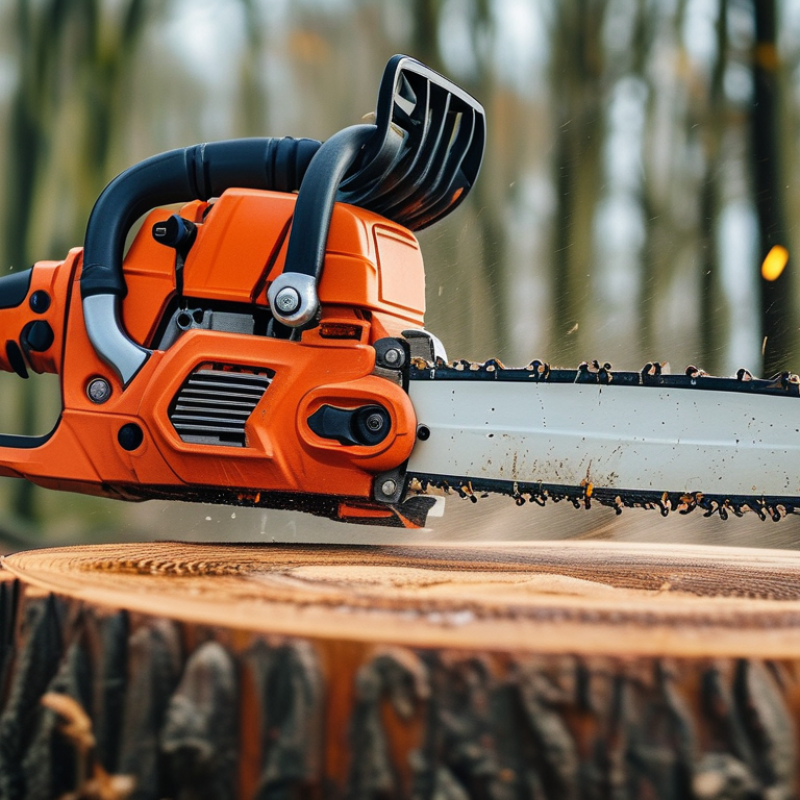
What is an Electric Chainsaw and How Does It Work?
An Electric Chainsaw is a powerful tool designed for cutting wood and trimming trees. Unlike traditional gas-powered chainsaws, electric chainsaws are quieter and produce no emissions. This makes them more environmentally friendly and easier to use for many people. They are suitable for homeowners and professionals alike.
Understanding how an Electric Chainsaw works can help users harness its full potential. The tool operates using an electric motor that drives the chain around a guide bar. The sharp teeth on the chain cut through wood efficiently. However, users must learn proper handling techniques for safety and effectiveness.
Despite their advantages, Electric Chainsaws do have limitations. They require a power source, which can restrict their usage outdoors. Additionally, their cutting power may not match some gas models under heavy-duty conditions. Users must weigh these factors carefully before making a decision.
What is an Electric Chainsaw?
An electric chainsaw is a cutting tool powered by electricity. Unlike gas-powered models, it is lighter and generally quieter. Electric chainsaws are ideal for homeowners or occasional users. They excel at tasks like trimming branches and cutting firewood. The motor converts electrical energy into rotational energy, driving the chain along the guide bar.
Using an electric chainsaw requires some basic understanding. Users must check the power source, as these chainsaws need an outlet or a battery. Safety is crucial; goggles and gloves are recommended. It’s essential to maintain the chain tension and lubrication for optimal performance. Some users struggle with the cord, particularly in larger spaces. This can be a hassle and may limit mobility.
Despite their convenience, electric chainsaws can have limitations. They may not handle heavy-duty tasks as effectively as gas models. They also require a level of awareness about their power supply. Users must plan their work area to avoid interruptions. Overall, an electric chainsaw can be a practical addition, but it demands responsibility and a bit of forethought.
History and Development of Electric Chainsaws
The electric chainsaw has a fascinating history that dates back to the 20th century. Initially designed for logging, the electric chainsaw became popular for its efficiency and convenience compared to its gas-powered counterpart. Over the years, improvements in battery and motor technology have significantly enhanced performance. Today, these saws are lighter and quieter, making them more accessible for both professionals and homeowners.
As electric chainsaws evolved, safety features were integrated into their design. Automatic chain brakes and low kickback chains have become standard. These advancements add a layer of protection for users. In recent years, manufacturers have focused on reducing environmental impact, promoting quieter operations and reduced emissions. This reflects a growing awareness of sustainability in tool development.
Tip: Always remember to wear appropriate safety gear while operating an electric chainsaw. It’s easy to overlook safety measures when focusing on the task. Moreover, practice makes perfect. If you're new to using an electric chainsaw, start with small projects to build confidence. Evaluate your technique regularly—improvements come through reflection and learning.
How Electric Chainsaws Work: The Mechanisms Explained
Electric chainsaws are popular tools for cutting wood, pruning trees, and tackling yard projects. Their operation relies on a combination of electric power and mechanical design. A motor drives a rotating chain lined with sharp teeth, allowing the saw to cut through wood with ease. The chain moves around a guide bar, providing stability and control during use.
The power source for electric chainsaws is typically a battery or a plug to an outlet. This design eliminates the need for gasoline, making them cleaner and quieter. However, users might find the range limited by cord length or battery life. The ease of use is appealing, but performance may vary based on the tool’s specifications and the task at hand. It's important to assess the saw's features to ensure it meets your specific needs.
Safety is a vital aspect when operating electric chainsaws. Users must wear protective gear and follow operational guidelines. The simplicity of electric chainsaws can sometimes mislead users into thinking they are completely safe. Regular maintenance is also crucial, requiring some effort to ensure the saw functions at its best. Understanding the mechanics enhances user experience and helps prevent accidents.
Electric Chainsaws: Power and Usage Comparison
This bar chart illustrates the power consumption in amps of different categories of electric chainsaws, ranging from lightweight models to heavy-duty options. The data shows a consistent trend where increased power corresponds with heavier chainsaw usage, catering to various cutting needs.
Comparing Electric Chainsaws to Gas-Powered Models
Electric chainsaws have gained popularity alongside gas-powered models due to their unique advantages. According to a recent report by the American National Standards Institute, electric chainsaws can be less noisy and have lower emissions compared to their gas counterparts. This makes them more appealing for residential use. They also tend to require less maintenance since they don’t utilize complex gas engines.
However, electric chainsaws often have limited power. They typically provide less cutting speed and performance in demanding tasks like felling large trees. Gas-powered models offer superior torque, making them more suitable for heavy-duty work. The choice between the two largely depends on the user's needs. Many homeowners find electric chainsaws sufficient for pruning and light cutting, while professionals may prefer gas models for prolonged work.
Tip: Always consider your working environment before choosing a chainsaw. If you’re in a densely populated area, electric models may be better for noise control. But for areas with larger trees, a gas-powered chainsaw could be necessary. Also, remember to assess battery life on electric versions, as power can deteriorate during extensive use.
Safety Features and Best Practices for Electric Chainsaw Use
Electric chainsaws are powerful tools for cutting tasks. Their design includes various safety features that enhance user protection. Important elements include chain brakes, kickback guards, and safety switches. The chain brake stops the chain quickly if kickback occurs. A kickback guard reduces the chance of sudden backward movements when cutting. The safety switch prevents accidental starts, ensuring your hands are always in control.
When using an electric chainsaw, proper techniques are essential. Always wear appropriate protective gear, including gloves and goggles. Keeping the work area clear minimizes hazards. Avoid cutting branches above shoulder height. This reduces the risk of losing control. It’s also vital to maintain the tool regularly. A dull chain can slip and cause injuries. Regular inspections can boost performance and safety.
Despite their advantages, electric chainsaws require respect. Users sometimes underestimate their power. Always be aware of your surroundings. Electrical hazards can arise when working near wet areas or with damp equipment. Never rush through tasks. Take your time to ensure safety. Reflecting on previous experiences can lead to better practices. Always prioritize safety with every use.