

R&D Ergo new logo

ERGONOMIC SOLUTIONS FOR OVER 25 YEARS.

To serve you better | Now merging service and customer support with our sister company Liftsafe Engineering and Service Group.

What Is the Best Quick Coupling Connector Type?

Choosing the best Quick Coupling Connector is rarely a simple matter of selecting the strongest-looking fitting. In real applications, performance depends on fluid type, working pressure, temperature, flow requirements, and connection frequency. A coupling used on a hydraulic excavator faces different demands from one installed on a laboratory air line. Small details matter. A dusty jobsite may require protective caps, while a clean production area may prioritize low particle generation and easy maintenance.

From practical equipment evaluations, several connector types deserve careful comparison. Flat-face couplings help reduce fluid loss and external contamination during connection. Poppet-style couplings can provide reliable sealing, but pressure trapped inside the system may complicate operation. Threaded connectors often deliver strong retention, although they usually take longer to connect. Cam-and-groove designs can support frequent hose changes, yet their suitability depends heavily on pressure limits and safety requirements.

There is no universal winner.

A reliable choice begins with the operating conditions, not marketing language. Engineers should verify rated pressure, temperature range, material compatibility, seal construction, and test data. Installation space and technician handling also deserve attention. A coupling that performs well in a controlled workshop may become inconvenient outdoors. That difference is easy to overlook. This guide compares common Quick Coupling Connector types through practical criteria, technical evidence, and realistic maintenance concerns. Some recommendations may need adjustment after field testing. That is acceptable. Good connector selection should remain open to inspection, measurement, and improvement.
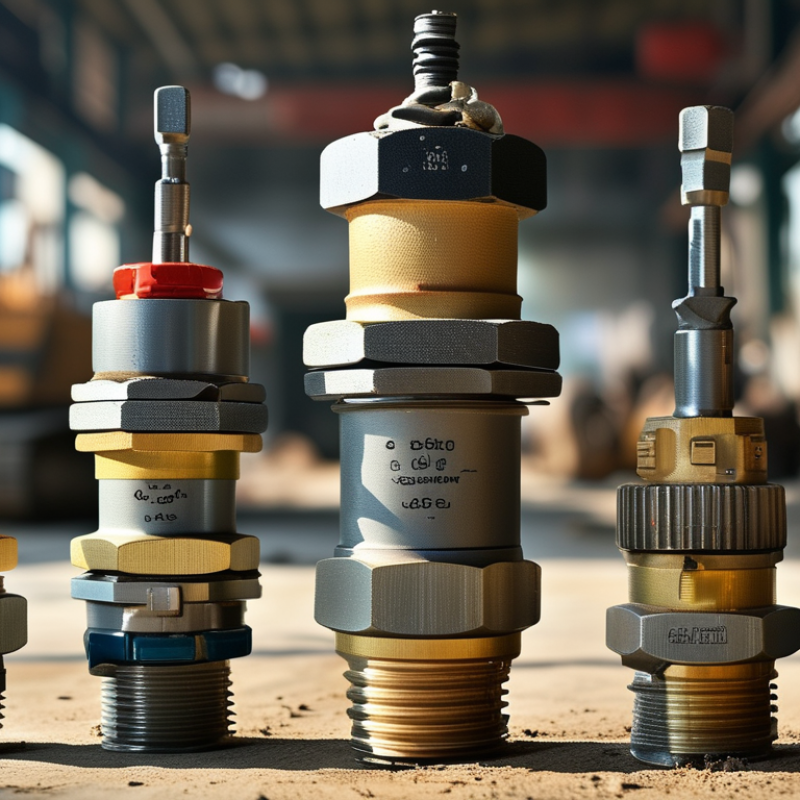
What Is the Best Quick Coupling Connector Type?

What Is a Quick Coupling Connector?

A quick coupling connector joins two fluid or gas lines without permanently threading them together. It usually has a male plug, a female socket, locking balls, and internal valves. When disconnected, the valves close and limit leakage. When connected, they open a flow path. This small mechanism can save minutes during hose changes, equipment servicing, and pressure testing.

The best type depends on the working conditions. Push-to-connect couplings suit frequent tool changes. Screw-to-connect designs handle vibration and higher mechanical loads. Flat-face couplings reduce trapped air and fluid spillage, which matters in hydraulic systems. Dry-break models offer stronger containment for sensitive liquids. ISO 7241 and ISO 16028 provide useful dimensional and performance references, but matching standards alone does not guarantee compatibility.

Pressure ratings, temperature, seal material, flow demand, and contamination control deserve equal attention. A coupling that fits may still restrict flow. The U.S. Department of Energy reports that compressed-air leaks can waste 20–30% of compressor output. Poorly sealed connections contribute to that loss. In field inspections, a faint hiss near a coupling is easy to ignore, yet it signals wasted energy. I would not choose the cheapest option automatically. Seal wear, difficult alignment, and accidental release can cost more than the original connector. The decision remains imperfect without real operating data.

How Do the Main Quick Coupling Connector Types Work?

What Is the Best Quick Coupling Connector Type?

How Do the Main Quick Coupling Connector Types Work?

Quick coupling connectors join fluid lines without lengthy tool work. Their design determines how they seal, lock, and release pressure. In practical maintenance, pneumatic couplings often use a sleeve and spring-loaded valve. Pulling the sleeve unlocks the plug. The internal valve opens after connection, allowing compressed air to flow. They are fast and lightweight. However, damaged seals can create a sharp hissing leak.

Hydraulic couplings handle higher pressure through stronger bodies and tighter locking systems. Screw-to-connect types use threaded halves that draw together gradually. This action protects the seal during connection. Flat-face couplings use matching faces that limit air entry and fluid loss. They are useful where cleanliness matters. Push-to-connect couplings lock through balls or retaining rings. Their convenience is excellent, but incomplete insertion can cause failure.

Cam-and-groove couplings work differently. Two arms pull the halves together against a gasket. They suit hoses that require frequent disconnection, especially for liquid transfer. Electrical quick connectors use pins, sockets, and locking shells instead of fluid valves. They carry power or signals through a protected contact arrangement. Selecting the best type depends on pressure, temperature, media, frequency, and contamination risk. A neat selection chart can still mislead. Check the actual operating conditions, not just the catalog rating. Test the connection after installation. Small oversights matter.

Which Connector Type Suits Different Applications?

What Is the Best Quick Coupling Connector Type?

The best quick coupling depends on pressure, flow, media, temperature, and connection frequency. Hydraulic equipment usually needs a flat-face coupling. It limits fluid loss and reduces contamination during repeated maintenance. Pneumatic tools often use poppet-style couplings because they support fast connection and strong airflow. Water lines may require corrosion-resistant materials and simple shutoff control. Refrigeration systems need fittings rated for pressure, temperature, and refrigerant compatibility. One type cannot serve every application.

Connector geometry also affects energy performance. The U.S. Department of Energy reports that compressed-air leaks can waste 20% to 30% of compressor output. A poorly matched coupling can worsen pressure loss, especially near tools and manifolds. ISO 7241 and ISO 16028 provide useful guidance for hydraulic coupling dimensions and interchangeability. However, compliance does not guarantee ideal field performance. Installation angle, hose bending, dust, and operator habits still matter. This is where selection becomes less tidy.

Tips: Check the real working pressure, not only the maximum rating. Compare flow at the same pressure drop. Choose sealing materials for the actual fluid and temperature. Inspect the coupling after several connection cycles. A clean, dry test can reveal more than a catalog chart. Keep dust caps installed. They are small, but often neglected. Sources: U.S. Department of Energy, Improving Compressed Air System Performance; ISO 7241; ISO 16028.

What Is the Best Quick Coupling Connector Type? - Which Connector Type Suits Different Applications?

Connector Type Typical Media Connection Mechanism Typical Working Pressure Main Advantages Limitations Best-Suited Applications
Pneumatic Plug Coupling Compressed air, inert gases Sleeve-operated ball-lock or quick-plug connection Commonly 6–10 bar; some designs are rated higher Very fast connection, compact size, widely available, low operating effort Air leakage and pressure drop can increase with contamination or an undersized coupling Air tools, assembly lines, pneumatic machinery, service hoses
Hydraulic Ball-Lock Coupling Hydraulic oil and compatible fluids Sleeve and locking-ball mechanism; ISO 7241 designs are common Often approximately 150–350 bar, depending on size and design Reliable general-purpose hydraulic connection, good availability, simple operation Some versions retain fluid during disconnection and may have higher pressure drop Agricultural equipment, mobile hydraulics, construction machinery
Flat-Face Hydraulic Coupling Hydraulic oil and other approved hydraulic fluids Flat mating faces with sleeve or threaded locking system Commonly 250–420 bar, depending on size and construction Very low fluid spillage, low air inclusion, easy cleaning, suitable for demanding service Usually more expensive; mating faces must be kept clean and correctly aligned Excavators, hydraulic attachments, road equipment, high-duty mobile systems
Screw-to-Connect Hydraulic Coupling High-pressure hydraulic oil Threaded sleeve or nut provides positive mechanical locking Often approximately 350–700 bar, depending on design and nominal size Strong resistance to vibration, high pressure capability, secure connection Slower to connect; threads can be damaged or contaminated Hydraulic test equipment, jacking systems, industrial power units, high-pressure tools
Cam-and-Groove Coupling Water, fuels, chemicals, oils and powders with suitable hose assemblies Two cam arms engage with the adapter groove; no threading required Commonly up to about 10–17 bar for many liquid-transfer designs Fast manual operation, large flow passages, convenient for frequent hose changes Not generally recommended for compressed gases; pressure and media limits vary significantly Tanker loading, irrigation, chemical transfer, dewatering and bulk-fluid handling
Dry-Break Coupling Fuels, chemicals, solvents, refrigerants and other controlled fluids Valved male and female halves open only after correct engagement Typically low to medium pressure; exact ratings depend on fluid and construction Minimizes spillage, vapor release, contamination and operator exposure Higher cost, more complex valves, and potentially greater pressure drop Fuel dispensing, chemical processing, battery cooling and environmentally sensitive transfer
Bayonet Coupling Air, water, low-pressure fluids and electrical or instrumentation services Push-in and quarter-turn locking action using lugs or pins Usually low to medium pressure, depending on the application Quick operation, compact design, good resistance to accidental pull-off when locked Generally less suitable for very high pressure or severe hydraulic shock Portable equipment, laboratory systems, medical devices and service connections
Multi-Coupling Plate Hydraulic oil, pneumatic air, coolant and electrical signals in combined systems Several coupling circuits connect simultaneously through one alignment plate Circuit-specific; commonly selected for low to high hydraulic pressures Saves connection time, prevents line mix-ups, and reduces installation space Higher initial cost, greater alignment requirements and more complex maintenance Mold-changing systems, machine tools, production fixtures and automated equipment
Pressure values are representative application ranges rather than universal ratings. The final selection should be based on the coupling size, temperature, fluid compatibility, working pressure, flow rate, vibration, connection frequency and applicable safety standard.

What Factors Determine the Best Connector Choice?

What Is the Best Quick Coupling Connector Type?

The best quick coupling connector depends on the working conditions, not appearance or price. Pressure and flow are critical starting points. A connector must handle the system’s maximum pressure, including sudden pressure spikes. Undersizing the passage can create heat, noise, and unwanted energy loss.

Fluid compatibility matters just as much. Hydraulic oil, water, air, chemicals, and food-grade liquids may require different sealing materials. Temperature changes can also harden seals or reduce their flexibility. In field maintenance, technicians often value flat-face couplings because they reduce fluid loss and external contamination. However, screw-to-connect types may suit applications exposed to vibration. Space, connection frequency, allowable leakage, and operator strength also influence the choice. A technically strong coupling can still fail when workers cannot connect it safely.

Tips: Record pressure, flow, temperature, fluid, and connection size before choosing. Check the technical datasheet and relevant industry standards. Inspect seals regularly. Small leaks often reveal a larger mismatch. Do not select by thread size alone. This is where many otherwise careful decisions go wrong. A trial installation can expose access problems, trapped pressure, or awkward hose movement before full deployment.

How Should Quick Coupling Connectors Be Selected and Maintained?

The best quick coupling connector depends on the fluid, pressure, temperature, flow rate, and connection frequency.

For hydraulic circuits, flat-face couplings can reduce fluid loss and contamination during connection. Poppet-style couplings may suit applications needing strong flow performance.

ISO 7241 and ISO 16028 provide useful dimensional and performance guidance, but neither standard selects the coupling for your machine. That decision requires field experience.

Check the working pressure, burst pressure, temperature range, seal material, and allowable pressure drop. Confirm compatibility with the actual oil, water, air, or chemical mixture.

A coupling that fits mechanically may still fail chemically. It happens.

During maintenance, wipe both halves before connection, inspect locking sleeves, and replace cracked seals immediately.

Never use excessive force to connect a pressurized line. Depressurize it first, then verify engagement with a gentle pull.

Maintenance records should include leakage, connection cycles, operating temperature, and pressure-drop readings.

The U.S. Department of Energy reports that compressed-air leaks can waste 20–30% of compressor output, while well-maintained systems can limit losses below 10%. A leaking coupling may therefore cost more energy than expected.

ISO 4414 also emphasizes safe pneumatic design, isolation, and stored-energy control. These practices are valuable, although inspection intervals still need adjustment for dust, vibration, and frequent disconnection.

I have found that visual checks alone miss early seal wear. Test under real operating conditions.