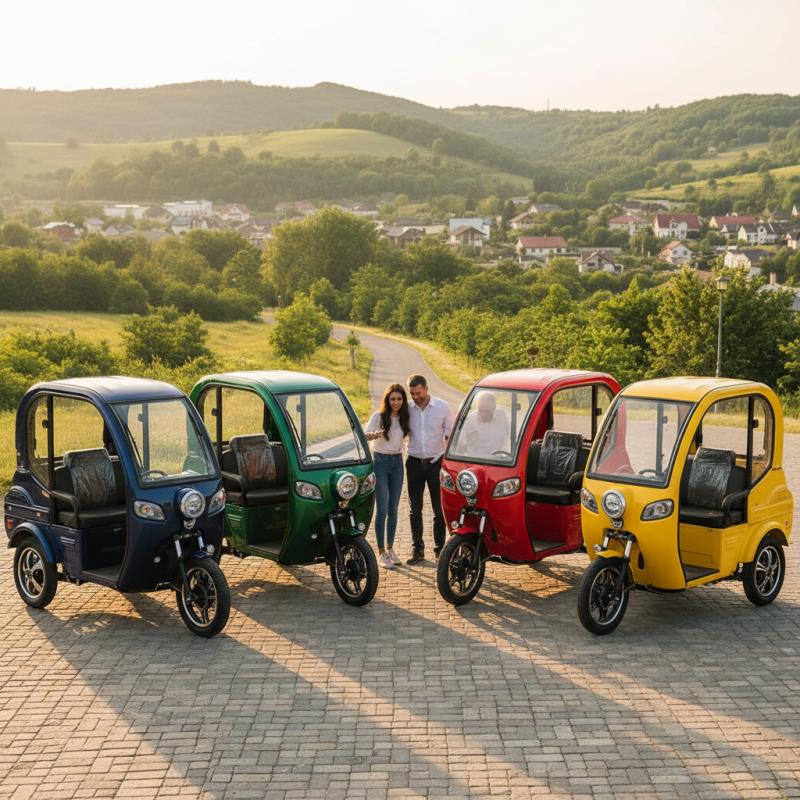
How to Choose the Best Electric Passenger Tricycle for You?
Choosing the right electric passenger tricycle can be a significant decision. Many factors influence this choice, from comfort to efficiency. An electric passenger tricycle is not just a means of transport; it is also a lifestyle choice.
Many models are available in the market today, each with distinct features. Some tricycles excel in battery life, while others focus on speed and stability. Understanding these specifics will help you make an informed choice. Pay attention to details such as weight capacity and seating arrangement. You must consider your own needs too, like riding frequency and distance.
It can be overwhelming to navigate your options. Many people rush this process, only to regret their decision later. Make sure to evaluate your priorities and potential use cases carefully. A seemingly perfect electric passenger tricycle may not always meet your long-term goals. Flexibility and foresight are key.
Understanding Your Needs for an Electric Passenger Tricycle
Choosing the right electric passenger tricycle begins with understanding your needs. Consider your primary usage. Will you use it for commuting, leisure, or errands? Each purpose demands different features. For instance, if you're commuting in a city, look for a model with a smaller turning radius. But if you plan to carry groceries or other cargo, opt for one with ample storage space.
Also, think about comfort and safety. Seat design can greatly affect long rides. Some tricycles come with padded seats and adjustable backrests. A well-designed seat reduces fatigue. Safety features are equally important. Look for models with reliable brakes and lights. They enhance visibility, especially at night. Reflecting on your specific circumstances will help. Are hilly terrains common in your area? If so, selecting a tricycle with a stronger motor is critical.
Finally, don’t overlook battery life. Understand how far you plan to travel on a single charge. Some tricycles offer longer ranges. However, the longer the range, the heavier the battery typically is. Balance between weight and performance is crucial. Testing different tricycles can reveal what suits you best. An informed choice will lead to a more satisfying experience.
Evaluating Different Types of Electric Passenger Tricycles
When evaluating different types of electric passenger tricycles, several factors come into play. The market has experienced an influx of models, each catering to specific needs. According to the International Tricycle Association, sales of electric tricycles have surged by 300% in the last five years. This growth indicates a keen interest among consumers in benefiting from alternative modes of transport.
When considering features, assess the tricycle's weight capacity. Many models support up to 400 pounds, allowing for multiple passengers or cargo. Note, however, that heavier tricycles might lead to quicker battery drain. Battery life varies significantly. On average, electric tricycles can travel between 20 to 60 miles on a single charge. It’s crucial to consider where you'll primarily ride. Urban settings may require different specifications compared to rural areas.
Consider the range of speeds available. Many electric tricycles offer speeds between 10 to 20 mph. While this can be thrilling, safety features should not be overlooked. Essential components like lights, reflectors, and brakes need thorough examination. Some models include advanced features like regenerative braking, which can enhance overall efficiency. However, buyers must ensure they understand how each feature impacts performance.
Key Features to Consider When Selecting a Tricycle
When selecting an electric passenger tricycle, key features play a crucial role. Battery capacity is paramount. Many electric tricycles feature batteries with capacities ranging from 36V to 72V. Research indicates that a higher voltage often translates to longer range and better performance. For instance, a 48V battery can typically provide a range of 30 miles on full charge. Understanding your daily travel needs can help determine the right capacity.
Weight capacity and build quality also matter. Most tricycles can support a weight limit between 300 to 500 pounds. It's essential to assess the intended usage. Comfort is influenced by seat design and wheel size. Larger wheels usually offer a smoother ride over various terrains. However, a heavier frame might reduce maneuverability. Some users find it challenging to balance between a sturdy design and ease of handling.
Safety features should not be overlooked. Look for a model with reliable braking systems, preferably disc brakes, which tend to perform better than traditional ones in wet conditions. Additionally, some tricycles come with built-in lights and reflective materials. This increases visibility, particularly at night. While these features are important, they may add to the overall weight of the tricycle, making a thorough assessment crucial.
How to Choose the Best Electric Passenger Tricycle for You? - Key Features to Consider When Selecting a Tricycle
| Feature | Description | Importance |
| Motor Power | Typically ranges from 250W to 1000W, affecting speed and hill-climbing capability. | High |
| Battery Capacity | Measured in Ah; impacts range per charge, commonly between 10Ah and 20Ah. | High |
| Frame Material | Aluminum or steel; aluminum is lighter and more rust-resistant. | Medium |
| Number of Wheels | Three-wheeled designs offer more stability than two-wheeled designs. | High |
| Weight Capacity | Indicates how much weight the tricycle can carry, usually ranges from 250 to 400 lbs. | High |
| Braking System | Types include disc brakes and drum brakes; affects safety and stopping distance. | Critical |
| Display Features | LCD displays show speed, distance, battery level; important for user experience. | Medium |
| Price Range | Generally between $800 and $3000; reflects quality and features. | High |
Assessing Safety and Comfort Features in Electric Tricycles
When choosing an electric passenger tricycle, safety and comfort are crucial factors. A reliable electric tricycle should feature a sturdy frame. Look for models with a low center of gravity, which enhances stability. Wide tires can help absorb bumps, ensuring a smoother ride. Check for quality brakes, as they are vital for safe stopping.
Comfort features are equally important. A well-padded seat can make a difference on longer rides. Consider adjustable seating and handlebars for a custom fit. Test the pedals and grips; they should feel natural and comfortable. An adjustable suspension system can alleviate discomfort over different terrains.
Reflect on your typical routes. Do you ride mostly on flat surfaces or rough roads? Electric tricycles vary in their performance across different terrains. Choose one that meets your specific needs. Finally, remember that safety features should not be overlooked. Lights and reflective elements enhance visibility. Investing in a helmet is wise, despite whether the tricycle comes with built-in protection.
Safety and Comfort Features in Electric Passenger Tricycles
Comparing Prices and Brands for the Best Value Purchase
When selecting an electric passenger tricycle, price and brand are crucial factors. A recent industry report indicates that prices can vary significantly, ranging from $800 to $3,000. This disparity often reflects the quality of materials, battery life, and overall performance. In the mid-range segment, tricycles priced around $1,500 typically offer a balanced combination of features. However, consumers should remain cautious about opting for cheaper models. Lower prices may indicate subpar components and reduced durability.
Brand reputation also plays a significant role in ensuring value. Established brands often invest in quality assurance and rigorous testing. According to data from the Electric Vehicle Association, consumer feedback highlights that reputable brands typically report fewer issues, leading to lower maintenance costs. On the other hand, newer or lesser-known brands can sometimes provide competitive prices but may lack proven reliability. Understanding the trade-off between cost and long-term value is crucial for a satisfactory purchase.
Price comparisons alone are insufficient. Potential buyers should also consider warranties and customer service. Some brands offer warranties up to three years, which can be a safety net against unexpected repairs. It's essential to weigh these factors carefully. Undoubtedly, personal preferences and usage scenarios will influence decisions, but keeping an eye on these elements ensures a more informed choice.