How to Choose a 3 Ton Low Profile Floor Jack?
Choosing a 3 Ton Low Profile Floor Jack is not only about lifting capacity. It is about matching the tool to your vehicle, garage, and working habits. A three-ton rating suits many cars, SUVs, and light trucks, but capacity alone does not guarantee safe or convenient lifting.
ChrisFix, a respected automotive repair educator, often emphasizes, “Safety is always the most important thing.” That principle should guide every purchase. Check your vehicle’s minimum ground clearance before comparing models. A jack with a 3-inch saddle height may fit beneath a lowered coupe, while a taller model could remain useless. Measure first.
Look at the maximum lifting height, too. The saddle should reach the vehicle’s recommended lifting points without excessive pumping. A long handle can improve leverage, especially when the garage floor feels rough. Wide steel wheels usually roll more steadily than small casters. However, a heavier frame is not automatically better. It may become difficult to move or store.
A reliable 3 Ton Low Profile Floor Jack should include a controlled lowering valve, a stable saddle, and clear capacity markings. Read the manual carefully. Some manufacturers describe capacity differently, which can create confusion. I once focused too much on lift height and overlooked storage space. That was a practical mistake.
Never treat the jack as a permanent support. Use properly rated jack stands on solid, level ground. Inspect the wheels, saddle, and hydraulic leaks regularly. The best choice is not always the cheapest or largest model. It is the jack that fits correctly, operates smoothly, and encourages careful work every time.
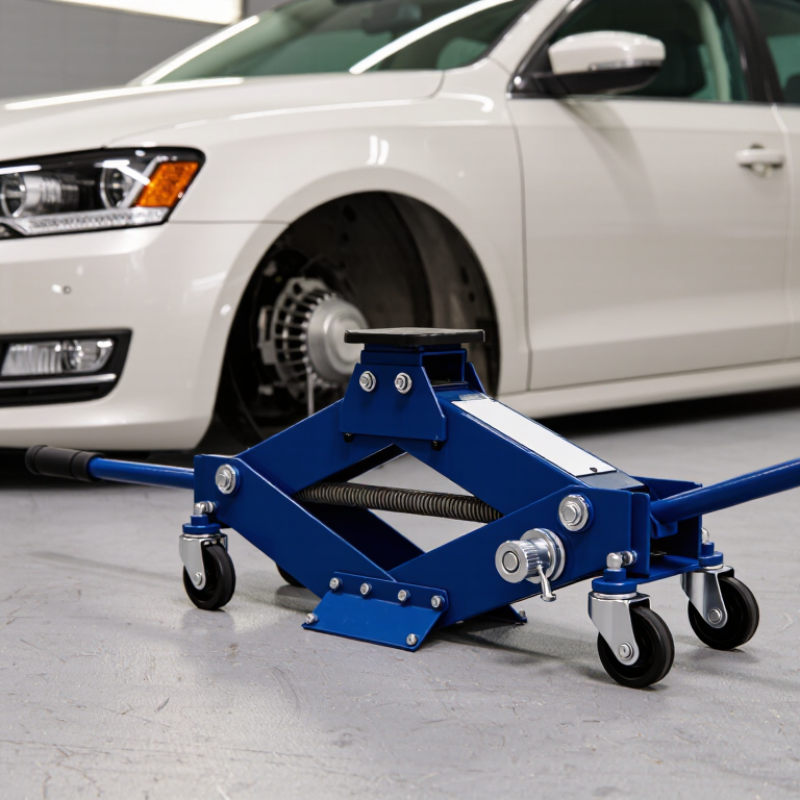
Define the Load: A 3-Ton Jack Supports Up to 6,000 lb
How to Choose a 3 Ton Low Profile Floor Jack?
A 3-ton floor jack supports up to 6,000 pounds, but that figure needs context. It describes maximum lifting capacity, not the vehicle’s total weight. The U.S. EPA’s Automotive Trends Report shows that average new light-duty vehicles now weigh more than 4,000 pounds. Larger trucks and electric vehicles can weigh considerably more. Check the vehicle’s gross vehicle weight rating, curb weight, and axle loads before choosing a jack.
A jack lifts only one section at a time. The supported end may carry more than half the vehicle’s weight, especially with a full cargo area. A 3-ton model therefore offers useful working capacity, but it is not automatically suitable for every 6,000-pound vehicle. Leave a practical margin. Do not treat the rating as a target.
Low-profile clearance also matters. Measure the distance from the floor to the approved lifting point, then compare it with the jack’s minimum height. ASME PASE-2019 addresses safety requirements for portable automotive service equipment, including vehicle lifting devices. Look for stable casters, a broad saddle, controlled lowering, and a clearly marked capacity label. Always use rated jack stands after lifting. Never rely on the jack alone.
In practice, I would recheck the axle load twice. Labels can be misunderstood. And factory weight figures may exclude passengers, tools, or added equipment.
Verify Safety Compliance with ASME PASE-2019 and EN 1494 Standards
How to Choose a 3 Ton Low Profile Floor Jack?
When inspecting a 3 ton low-profile floor jack, do not trust capacity printed on the carton. A clear safety trail matters more. Ask for evidence of conformity with ASME PASE-2019 and EN 1494 requirements. These standards address lifting equipment design, safe operation, stability, warnings, and testing. They are not decorative labels.
Check the nameplate for rated capacity, model identification, and operating instructions. The jack should lift smoothly, hold pressure, and move without sudden frame twisting. Its low entry height must suit your vehicle’s lifting points. A wide saddle and stable wheels reduce shifting on a level workshop floor. Look for test records, inspection procedures, and a declaration supported by technical documentation. “Tested” alone proves very little.
During a practical inspection, I would raise a suitable test load gradually and watch the saddle, handle, and release valve. Never work beneath a vehicle supported only by the jack. Use properly rated stands on firm ground. I have seen buyers focus on the extra-low profile and overlook side-load warnings. That is an easy mistake. I also question vague compliance claims, because paperwork can be incomplete or outdated. Verify the standard edition, supplier traceability, and maintenance guidance before purchase. A careful choice may feel slower, but a three-ton rating cannot compensate for uncertain safety evidence.
Compare Steel and Aluminum Designs by Weight, Stability, and Durability
How to Choose a 3 Ton Low Profile Floor Jack?
Choosing a 3-ton low-profile floor jack starts with the vehicle’s lifting points and your garage floor. A low entry height helps reach sports cars and lowered vehicles. In workshop use, steel frames usually feel more planted during lifting. Their heavier construction can resist movement on rough concrete. Steel also tolerates frequent contact with tools and floor debris. The drawback is obvious. It can be tiring to move.
Aluminum designs reduce carrying effort, especially when the jack must cross a driveway or storage area. Their lighter frames are convenient for home mechanics with limited space. However, low weight can make the jack feel less stable if the wheels are small or poorly aligned. Stability comes from the whole design, not the frame material alone. Check the wheel width, saddle size, handle control, and base footprint. I once focused too heavily on lifting height and underestimated how awkward a narrow base felt.
Durability depends on more than steel or aluminum. Inspect welds, pivot points, seals, and the release mechanism. A clean hydraulic action matters. The rated capacity must exceed the vehicle’s required lifting load, while the jack should rest on a firm, level surface. Never rely on the jack alone during service. Use properly rated support stands. In my experience, a heavier steel model suits fixed workshops, while aluminum is practical for frequent transport. That judgment can change when corrosion, storage space, or daily lifting frequency becomes the bigger concern.
Evaluate Safety Features, Wheel Design, Warranty, and Rated Service Life
Choosing a 3 ton low profile floor jack starts with safety, not lifting height. In my workshop checks, I look for an overload valve, a locking handle, and controlled lowering. The saddle should grip the vehicle’s approved lifting point without sudden movement. A wide chassis matters on uneven concrete. Never trust the jack alone. Use properly rated stands on solid ground, then test stability with a gentle push.
Wheel design affects both control and durability. Steel or reinforced wheels usually track better under heavy loads, while larger rear casters roll over small cracks. Swivel action should feel smooth, but not loose. I prefer a handle that clears the bumper and gives enough leverage in narrow garages. Some compact jacks turn easily but wander when loaded; that is an easy detail to miss. Check wheel bolts and welds before every demanding job.
Warranty terms reveal how confidently the manufacturer supports the tool. Read coverage for hydraulic leaks, seals, and replacement parts, not only the headline period. Rated service life is equally important. A useful specification may state cycles, expected maintenance, or operating limits. If those details are vague, ask for written clarification. I have learned that a low price can hide frequent seal replacement. Still, published figures are not promises; cold storage, overloads, and neglected oil shorten service life. Keep inspection records, and replace the jack when lowering becomes uneven.