

How to Choose 36 Pipe End Caps for Global Projects?
Choosing 36 Pipe End Caps for global projects requires more than matching a diameter to a drawing. Each cap must suit pressure, temperature, fluid, installation method, and transport conditions. A small mismatch can cause leakage, rework, or delayed commissioning.
The International Energy Agency’s World Energy Investment 2024 report projects global energy investment above 3 trillion dollars in 2024. Around 2 trillion dollars is directed toward clean energy. These projects often cross climates, standards, and supply chains. UNCTAD’s World Investment Report 2024 also highlights continued pressure on international investment and project financing. Procurement decisions therefore need stronger technical evidence and clearer documentation.
Start with the application. Confirm nominal pipe size, wall thickness, material grade, end preparation, and design pressure. Carbon steel, stainless steel, duplex steel, and alloy steel caps behave differently. ASME B16.9, ASTM A234, ASTM A403, and EN 10253 may apply, depending on the project specification. Do not assume one standard fits every market.
Check dimensions against approved drawings. Review mill certificates, heat numbers, inspection records, and coating requirements. Consider sea freight, storage humidity, and field welding access. A cap that looks correct may still fail traceability requirements. This is where selection becomes practical, not theoretical. Some project specifications remain unclear. That uncertainty deserves written clarification before purchasing. A reliable supplier should provide test evidence, consistent marking, and realistic delivery commitments. Performance matters. Documentation matters too.
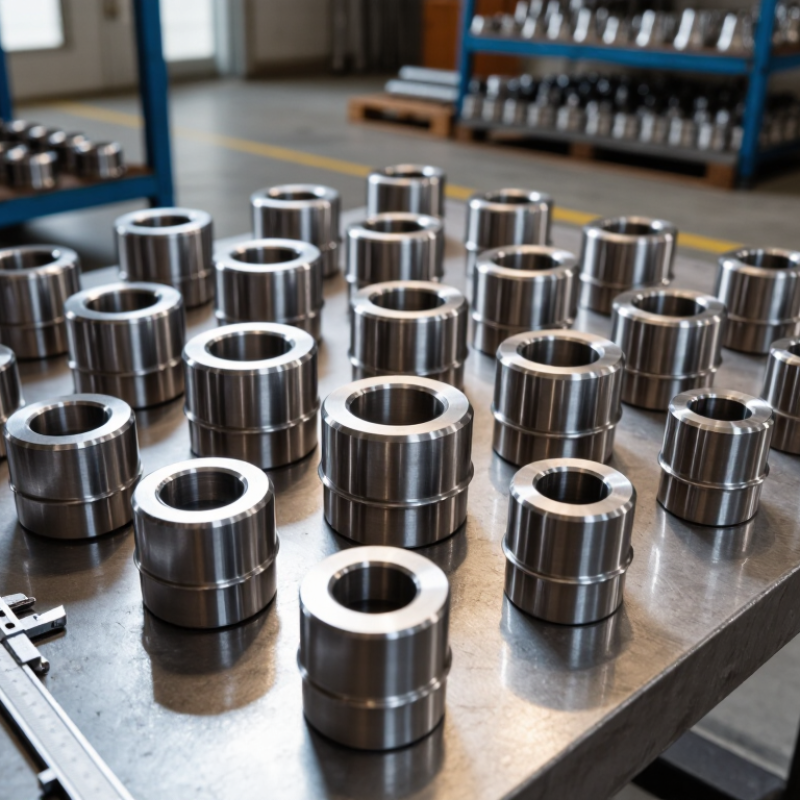
Define Project Requirements for 36 Pipe End Caps
How to Choose 36 Pipe End Caps for Global Projects?
Define Project Requirements for 36 Pipe End Caps
For a 36-inch pipe, define the outside diameter, wall thickness, and end profile before requesting quotations. Measure the actual pipe, not only the drawing. Small dimensional errors can cause poor sealing or difficult installation. Specify the end cap material, such as carbon steel, stainless steel, or engineered plastic. Match it with the pipe material and the project environment. Temperature, pressure, sunlight, moisture, and chemical exposure all affect service life. State whether the cap is temporary, protective, or designed for pressure containment. These purposes require different designs and verification records.
Tips: Prepare a clear requirement sheet. Include quantity, delivery locations, tolerances, surface treatment, packing method, and inspection documents. For global projects, identify the required technical standards and local import documentation early. Confirm units carefully. Mixing millimeters and inches remains an avoidable problem.
Ask for dimensional drawings and material certificates before production. A reliable supplier should explain testing limits instead of promising universal compatibility. Review lifting points and handling weight when caps are large or heavy. Field teams may remove caps with gloves, tools, or cranes, so access details matter. One practical reflection is that we often focus on the cap itself and overlook storage conditions. Outdoor storage, standing water, or weak packaging can damage an acceptable product before installation. Record these risks in the project specification.
Compare Materials, Pressure Ratings, and Temperature Limits
How to Choose 36 Pipe End Caps for Global Projects?
Compare Materials, Pressure Ratings, and Temperature Limits
Choosing end caps for a 36-inch pipeline requires more than matching the outside diameter. Measure the pipe wall, ovality, and end condition at the site. A carbon steel cap may suit dry, moderate-temperature service, while stainless steel or engineered polymer can perform better in corrosive environments. Check chemical exposure, moisture, ultraviolet light, and soil contact before selecting the material. A small mismatch can cause sealing problems during installation.
Pressure ratings must match the complete system, not only the cap. Review design pressure, surge pressure, vacuum conditions, and the selected joining method. For temporary protection, a lighter cap may work, but transport loads can change the requirement. Temperature limits also matter. Heat can soften polymer materials, while repeated freezing can make some materials brittle. Request traceable material certificates, pressure-test records, dimensional drawings, and clear inspection criteria. Local codes and project specifications should be checked by a qualified engineer.
Tips: Keep a sample cap beside the pipe before ordering. Confirm the pressure class, temperature range, gasket compatibility, and installation tools. Mark each shipment with size, material, batch number, and destination. Do not rely on catalog values alone. Field conditions are often less predictable than drawings. I have seen correct-looking caps fail because the actual pipe edge was damaged. Allowing a practical tolerance may prevent delays, although too much tolerance can weaken the seal.
Select Cap Designs for Different Pipe Systems and Environments
When a project lists 36 pipe end caps, selection should follow the pipe system, not convenience. Confirm the pipe material, outside diameter, wall thickness, connection method, and service pressure. A threaded cap suits removable maintenance points, while a welded cap provides a permanent closure for compatible metal piping. Push-fit designs can save installation time, but they need clean, correctly sized pipe ends.
Environment changes the decision. Outdoor pipelines may need UV-resistant materials and secure retention against wind or vibration. Buried systems require caps that tolerate soil pressure, moisture, and occasional impact. In chemical or coastal areas, check resistance to corrosion, solvents, salt, and temperature changes. For drinking-water or sanitary systems, use smooth, cleanable designs with suitable material documentation. Never assume a general-purpose cap is pressure-rated.
Details matter.
During site inspections, I check gasket condition, edge damage, and actual pipe measurements before installation. A drawing may show one size, yet field tolerances can differ. That mistake is easy to overlook. For hot lines, thermal expansion may loosen a poorly selected cap; for cold service, brittle materials can crack. Vented caps may prevent unwanted pressure buildup, but they are unsuitable where full containment is required. I also label each cap by location and service, because identical-looking parts can perform very differently. ҡа
Verify Global Standards, Certifications, and Regional Regulations
For a batch of 36 pipe end caps, global compliance must be checked before price or delivery time. Confirm the pipe material, outside diameter, wall thickness, pressure class, and joining method. Metallic butt-welding caps commonly reference ASME B16.9 or EN 10253-2. Plastic systems may require ISO 4427 or regional equivalents. These standards are not interchangeable. A cap can fit physically but fail the project specification.
Ask suppliers for material test reports, dimensional inspection records, pressure-test evidence, and traceable heat or batch numbers. For European pressure applications, review Directive 2014/68/EU requirements. Other regions may demand local registration, marking, or approved conformity documents. The World Steel Association’s October 2024 outlook forecast global steel demand at about 1.75 billion tonnes in 2024. That scale increases supply options, but it does not prove product quality. Paperwork still matters.
Tips: Build a compliance matrix for all 36 pieces. Record standard, material grade, certificate, country requirement, and inspection status. Check documents against markings on the actual caps. A missing heat number is a warning. Third-party inspection can reduce uncertainty, especially for buried, offshore, or high-pressure lines. However, inspection is not a substitute for correct design. I have seen projects focus heavily on certification logos while overlooking temperature limits and weld compatibility. That mistake deserves a second review. Sources: World Steel Association Short Range Outlook, October 2024; ASME B16.9; EN 10253-2; ISO 4427.
How to Choose 36 Pipe End Caps for Global Projects?
Verify global standards, certifications, and regional regulations before approving a 36-piece pipe end-cap package.
The chart shows the number of key compliance references that should be screened for each destination market. Examples include ASME B16.9, ASME B16.5, CSA B51, EN 10253, the EU Pressure Equipment Directive 2014/68/EU, the UK Pressure Equipment (Safety) Regulations 2016, AS 4041, and AS/NZS 3992. The final selection depends on pipe size, material, pressure class, temperature, service fluid, design code, and project specifications.
Plan Sourcing, Quality Control, Packaging, and Delivery
Choosing 36 pipe end caps for a global project requires more than matching diameter and thread. The sourcing plan should confirm pipe material, wall thickness, pressure class, temperature range, and end geometry. My early purchasing plans treated 36 caps as one identical lot. That was too simple. Different sites may need welded, threaded, or temporary protective caps. Request current drawings, material certificates, dimensional reports, and traceability records before approving production.
Quality control should follow a written inspection plan. Check every cap for cracks, sharp edges, corrosion, and visible deformation. Measure critical dimensions with calibrated tools. A practical sample review may miss repeated defects, especially when caps are produced in several batches. Keep batch numbers linked to inspection photos and packing lists. Independent inspection can add confidence, but it does not replace clear specifications. We still need to question our assumptions.
Packaging affects delivery reliability. Separate metal caps with sleeves or cardboard dividers, then use moisture-resistant inner wrapping. Mark size, quantity, material, and handling direction on each carton. For 36 pieces, count twice before sealing. Small errors become expensive at remote sites. Use strong pallets, corner protection, and shock-resistant strapping for long-distance transport. Confirm agreed delivery terms, export documents, destination requirements, and receiving hours early. Add a modest schedule buffer. Ports, weather, and customs inspections can change the original timetable. The delivery plan should remain traceable from factory release to site receipt.

