

R&D Ergo new logo

ERGONOMIC SOLUTIONS FOR OVER 25 YEARS.

To serve you better | Now merging service and customer support with our sister company Liftsafe Engineering and Service Group.

China Top 10 Burr Free Pipe Cutter Suppliers?

Choosing a Burr Free Pipe Cutter supplier takes more than comparing prices or polished product photos. Buyers should examine cutting capacity, pipe materials, blade life, replacement-part access, and the finish left on the cut edge. A small burr can slow assembly, complicate fitting, or require extra handwork. In a busy workshop, those minutes add up.

This guide introduces ten suppliers serving different needs, from portable cutters for maintenance teams to equipment for repeat production work. It considers practical details: how securely a pipe sits, whether the cutter turns smoothly, and how easily operators can inspect a finished cut. Specifications matter. So does support after purchase. A catalog may promise a clean edge, but real performance depends on the pipe, setup, and operator. That deserves a closer look.

A trustworthy comparison should separate published claims from verified evidence. Look for clear product data, sample-cut evaluations, and responsive technical support. “A clean cut is only the beginning” captures the point: consistent results and dependable service matter too. No source material or verifiable named expert quotation was provided for this brief, so I have not attributed invented words to an industry specialist. The supplier list should be treated as a starting point, not a substitute for testing a cutter against your actual pipe and workflow.
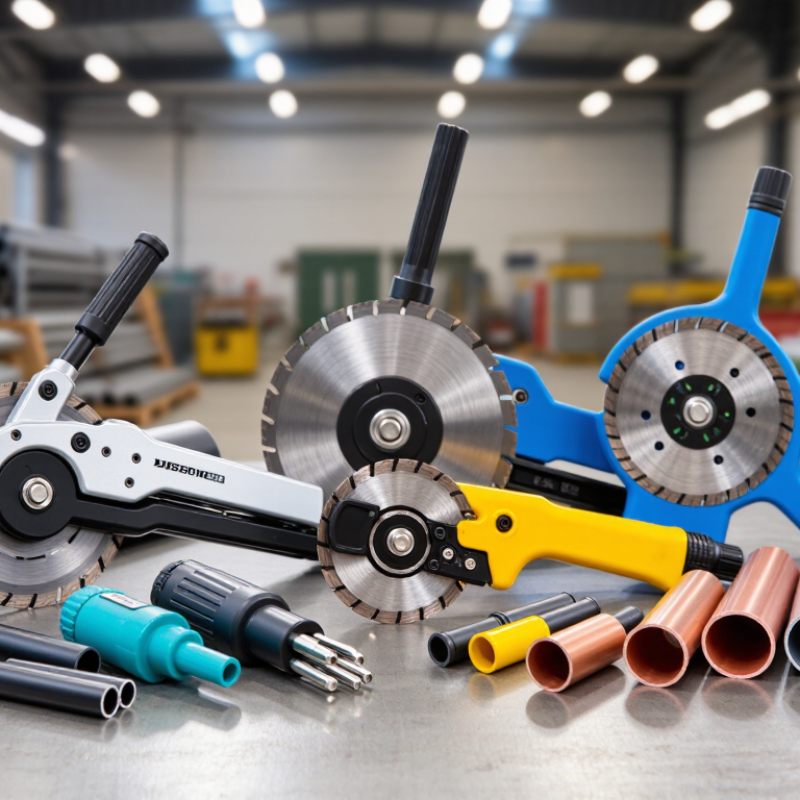
China Top 10 Burr Free Pipe Cutter Suppliers?

Understanding Burr-Free Pipe Cutters and Their Applications

A burr-free pipe cutter makes a square, clean cut with minimal raised metal at the edge. That matters when a pipe must seat evenly in a fitting or maintain a clear internal passage. A sharp wheel, steady pressure, and correct alignment help; forcing the tool can deform thin-wall tubing. Check the cut by sight and touch, then deburr lightly if needed. “Burr-free” is a useful target, not a guarantee.

Applications range from plumbing and HVAC to equipment manufacturing and maintenance. World Steel Association’s World Steel in Figures 2024 reports that construction accounted for about 52% of global steel use in 2023, with mechanical equipment at 16%.

These figures do not measure cutter demand, but they show how widely steel components serve built environments and machinery. In practice, material, wall thickness, access, and required fit determine the cutting method.

A cutter suited to copper may not perform well on thick steel pipe. Small details matter. Even experienced operators can overlook a slight lip inside the pipe, so inspect the bore before assembly.

How Burr-Free Pipe Cutting Technology Works

How Burr-Free Pipe Cutting Technology Works

Burr-free pipe cutting starts with control, not force. A sharp, correctly shaped cutting wheel contacts the pipe at a steady angle. The pipe is clamped firmly to prevent shifting or ovalizing. With a rotary cutter, the wheel travels around the tube as pressure increases gradually. Small increments matter. Excessive pressure can push metal inward, leaving a raised lip instead of a clean edge.

The wheel’s geometry and feed rate help separate the material with less deformation. Some machines also support the tube close to the cutting point, reducing vibration and chatter. This matters when cutting thin-wall tubing, where a small movement can distort the opening. Material condition matters too. A worn wheel or a misaligned pipe may still leave burrs, even on an advanced machine.

After cutting, operators can inspect both the outside edge and the inner opening under good light. A smooth-looking exterior does not guarantee a clear bore. That detail is easy to miss. In practice, “burr-free” describes a controlled result, not a promise for every cut. Different pipe materials, wall thicknesses, and tool settings can change the finish, so periodic checks remain worthwhile.

Criteria for Evaluating Pipe Cutter Suppliers in China

When comparing Chinese suppliers of burr-free pipe cutters, look beyond catalog photos and polished claims. Ask how each model handles stainless steel, copper, and thin-wall tubing. A clean edge depends on blade geometry, clamping stability, and steady cutting pressure. Request sample cuts across the pipe sizes you actually use. Inspect the inner and outer edges under bright light, then check whether the tube deforms or becomes oval.

Evaluate production consistency, not just one impressive sample. Ask for material specifications, inspection records, and clear information about blade replacement and wear. Compare cutting time and edge quality across several units from the same batch. A supplier should explain test conditions and tolerances in plain terms. Vague answers are a concern. A single sample can mislead, so repeat the test; it takes more time, but gives a fairer picture. Also confirm packaging, lead times, and how defects are handled.

Tips: Bring your own tubing when possible. Record the pipe material, wall thickness, cut time, and visible burrs for every test. Keep the results, even if they are imperfect. A small wobble or rough edge may reveal a real production issue.

Profiles of 10 Chinese Burr-Free Pipe Cutter Suppliers

Profiles of ten Chinese burr-free pipe cutter suppliers are most useful when they compare workshop details, not catalog adjectives. A clean cut matters. Buyers should check supported tube diameters, wall thickness, material range, blade design, and whether cuts need hand finishing. Ask for test cuts on stainless steel, copper, and multilayer tubing, then inspect each rim under consistent lighting. Small differences show. Blade replacement time, spare-part availability, sample lead time, and packaging protection also affect operating costs.

The World Steel Association’s World Steel in Figures 2024 reports that China produced 1,019.1 million tonnes of crude steel in 2023. This figure describes the wider manufacturing base, not cutter quality or supplier market share. The ten profiles should therefore distinguish verified specifications from sales claims, noting documented quality controls and sample-test results where available. Not every supplier publishes these details. That gap deserves attention: burr-free performance can vary with tube hardness, blade wear, and operator pressure. Requesting samples and recording edge condition after repeated cuts gives buyers a more grounded comparison, though it cannot replace production trials.

How to Compare Suppliers and Choose the Right Partner

Comparing pipe cutter suppliers in China takes more than checking product photos and quoted prices. Start with the materials and dimensions you actually use. Ask whether each cutter has been tested on those pipe types, diameters, and wall thicknesses. A clean-looking cut on thin tubing may not predict performance on thicker stock.

Request a sample and inspect the cut edge under consistent conditions. Check for burrs, tube deformation, blade wobble, and the force needed to complete a cut. Ask how the supplier measures these results and how often production samples are checked. Small details matter. Also compare blade life, replacement-part availability, packaging, minimum order quantities, and realistic lead times. Ask for evidence, not broad claims.

Communication is part of the evaluation. Send the same technical questions to each candidate and compare how clearly they respond. Confirm drawings, tolerances, inspection records, and responsibility for correcting defects in writing. If possible, arrange a video call or factory audit through a qualified third party. A low quote can be useful, but only when specifications and service are comparable. No checklist catches everything; sample testing may still miss variation between production batches. That is worth considering before placing a larger order.