

What Is the Best Laser Cleaning Equipment in 2026?
Choosing the best Laser Cleaning Equipment in 2026 is less about chasing the highest wattage and more about matching the machine to the surface, contaminant, and working environment. A compact pulsed system may suit delicate molds or localized rust, while a higher-power continuous-wave unit can remove thicker coatings from larger steel parts. That difference matters. Too much energy can discolor a surface or alter fine edges; too little may leave residue and require repeated passes. Real performance depends on more than a headline specification.
This guide compares Laser Cleaning Equipment using practical criteria: laser type and power range, cleaning speed, control options, portability, maintenance, safety features, and service support. It also considers materials such as carbon steel, aluminum, and stone, since settings that work on one surface may be unsuitable for another. Ask suppliers for sample trials, documented specifications, and clear guidance on fume extraction and protective equipment. A demonstration on your own part is more useful than a polished brochure. There is no universal winner, and a low price or impressive maximum power alone does not prove value. The best choice cleans consistently, protects the substrate, and fits your workload. Results can still vary with coating thickness and operator technique.
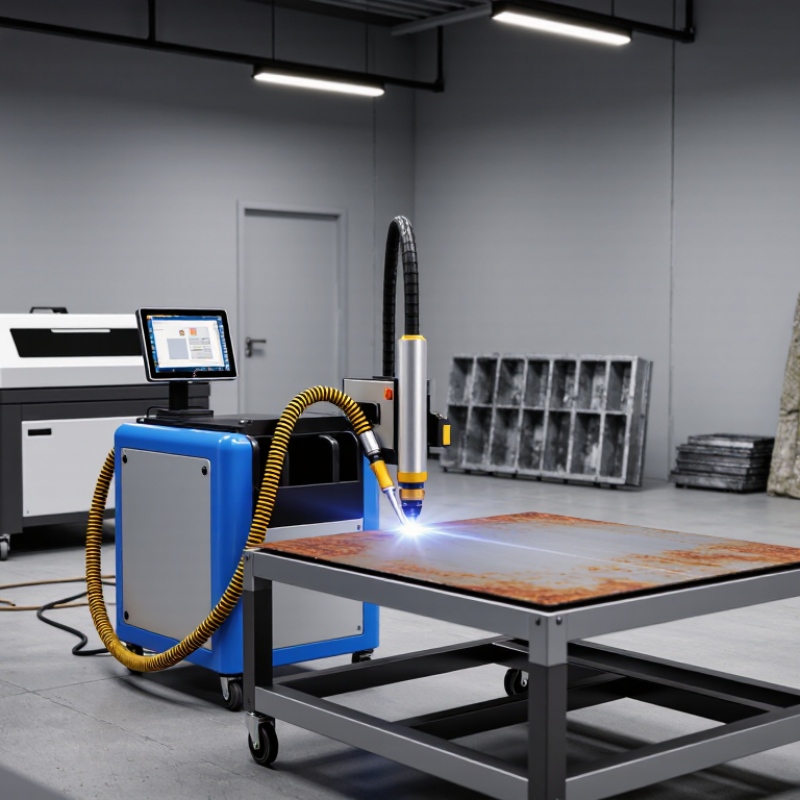
What Laser Cleaning Equipment Is and What It Removes
What Is the Best Laser Cleaning Equipment in 2026?
What Laser Cleaning Equipment Is and What It Removes
Laser cleaning equipment directs controlled light pulses onto a surface. Contaminants absorb the energy and break away through ablation or thermal stress. The base material may reflect more of the light, but results depend on its composition and the settings used. It is not magic.
Typical targets include rust on steel, oxide layers, paint, grease, soot, and some production residues. A 2024 Fortune Business Insights market report estimated the global laser-cleaning market at about USD 0.68 billion in 2023, with growth projected through 2032. That market estimate signals rising interest; it does not prove that lasers suit every surface. Test a small area first, especially on thin metal, delicate finishes, or mixed materials.
Tips: Match pulse energy and scan speed to the contaminant, not just the base material. Keep extraction close to the work area, and inspect the surface under good lighting. Some residue may remain in pits or corners, so a second pass—or another cleaning method—may be needed.
How Laser Cleaning Systems Work
Laser cleaning systems remove rust, paint, or residue by directing concentrated light onto a surface. The material being removed absorbs the laser energy and heats rapidly. It may vaporize, break apart, or loosen from the base layer. The operator moves the beam across the workpiece, while settings such as pulse energy, speed, and focus control the cleaning effect.
The process depends on the surface and the contaminant. A dark coating may absorb energy differently from shiny metal, so one setting will not suit every job. Good systems offer adjustable controls and allow small test patches before full cleaning. Fume extraction also matters, since removed coatings and particles should not be left in the work area. Results can vary; that is worth remembering.
Tips: Start with a small, inconspicuous test area. Keep the beam moving, use suitable eye protection, and follow the equipment manual. Check the surface under bright light afterward. If the base material changes color or texture, pause and reassess the settings. A clean-looking result is not always a harmless one.
Key Factors for Comparing Laser Cleaners in 2026
What Is the Best Laser Cleaning Equipment in 2026?
Key Factors for Comparing Laser Cleaners in 2026
The best laser cleaner depends on the material, contaminant, and work environment. Compare systems using a sample from the actual job, not just a polished demonstration panel. Rust on a steel bracket behaves differently from paint on a thin sheet. Watch for heat tint, surface marks, and residue after cleaning. Test before scaling.
Power is only one part of the comparison. Check whether pulse settings can be adjusted for delicate surfaces, and whether the beam area suits the part’s shape. A narrow beam may handle corners well but take longer across a broad surface. Ask for measured cleaning speed on your material, with the working distance and settings recorded. Small details matter.
Also assess extraction, operator controls, protective housing, and service access. Dust and coating residues need suitable collection; a clean-looking workpiece does not mean the air is clean. Confirm that safety features fit the planned workflow, and check how quickly common wear parts can be replaced. Compare total operating costs, including training and maintenance, rather than purchase price alone. One limitation: a short trial cannot predict every production condition, so retest when materials or settings change.
Types of Laser Cleaning Equipment and Their Applications
Laser cleaning equipment differs by pulse pattern, power, and movement system. Pulsed lasers deliver brief bursts with limited heat transfer, making them useful for delicate parts, thin coatings, and precision cleaning. A technician might remove oxidation from a small mold without visibly heating nearby surfaces.
Continuous-wave systems deliver energy steadily and can clean larger, sturdier metal surfaces more quickly. They may suit heavy rust or coating removal, but excess heat can alter a workpiece.
Portable handheld units are practical for repair work and awkward surfaces. Automated systems, often mounted on robotic arms, suit repeatable production tasks such as cleaning weld seams or components before coating.
The MarketsandMarkets 2023 Laser Cleaning Market report estimated a market value of about US$0.7 billion in 2023, with a forecast of US$1.2 billion by 2028. This signals commercial interest, but market growth does not prove that one equipment type fits every task.
Selection should follow material, contaminant, surface area, and required finish. Test a small area first. Record the settings and inspect for heat marks or residue; even apparently clean metal can retain contamination. That detail is easy to miss.
Extraction, shielding, and trained operation also matter, especially in enclosed workspaces. A sensible specification balances cleaning speed against surface damage, operator access, and the cost of controlling fumes.
How to Choose the Best Laser Cleaner for Your Needs in 2026
What Is the Best Laser Cleaning Equipment in 2026?
How to Choose the Best Laser Cleaner for Your Needs in 2026
The best laser cleaner depends on the material, the residue, and the pace of your work. A machine suited to removing rust from steel may be too aggressive for a thin, painted part. Identify the surface and coating before comparing power ratings. Pulsed systems can offer careful control for detailed work, while continuous systems may fit larger, tougher surfaces. The right choice is task-specific.
Look closely at working distance, scan width, portability, and operator controls. If parts vary in size, adjustable settings can help avoid uneven cleaning. Ask for a sample test on the same material and residue you handle; inspect for discoloration, surface damage, and leftover deposits. Consider ventilation, protective equipment, training, maintenance, and service access as part of the purchase. Output figures matter, but they do not tell the whole story. I would not choose from a specification sheet alone.
Tips: Start with a small test area. Record the settings and result. Compare cleaning time with setup and handling time, too. A rushed test can mislead. Check that the equipment fits your workspace and that operators can use it consistently.

