

R&D Ergo new logo

ERGONOMIC SOLUTIONS FOR OVER 25 YEARS.

To serve you better | Now merging service and customer support with our sister company Liftsafe Engineering and Service Group.

China Best Electrostatic Collector Manufacturer?

“China Best Electrostatic Collector Manufacturer?” is a useful starting question, but there is no single answer for every project. The right supplier depends on the dust, airflow, operating temperature, and space available at your site. An Electrostatic Collector that performs well in one workshop may need adjustment in another. Details matter. A practical comparison should look beyond product photos and headline efficiency claims. Check the stated airflow range, collection design, materials, maintenance access, and availability of replacement parts. Ask how the manufacturer verifies performance and what operating conditions its figures assume. I would not treat a brochure as proof.

A credible manufacturer should be able to explain its design choices in plain terms. Request technical drawings, relevant test records, installation guidance, and a clear warranty scope. Where possible, compare these documents against your own process data, such as duct dimensions and typical dust load. Pay attention to the questions the supplier asks. Careful questions may reveal whether the proposed unit fits your actual conditions—or whether it is a standard model being presented as a custom solution. That distinction can be easy to miss.

There are limits to any desk-based assessment. Published specifications rarely show performance under your exact operating conditions, and claims can be difficult to compare when test methods differ. A site assessment or trial may provide stronger evidence. The best China-based Electrostatic Collector manufacturer is therefore not simply the one with the lowest quote or boldest promise. Look for technical clarity, consistent documentation, responsive support, and a willingness to discuss trade-offs. Even then, leave room for verification.
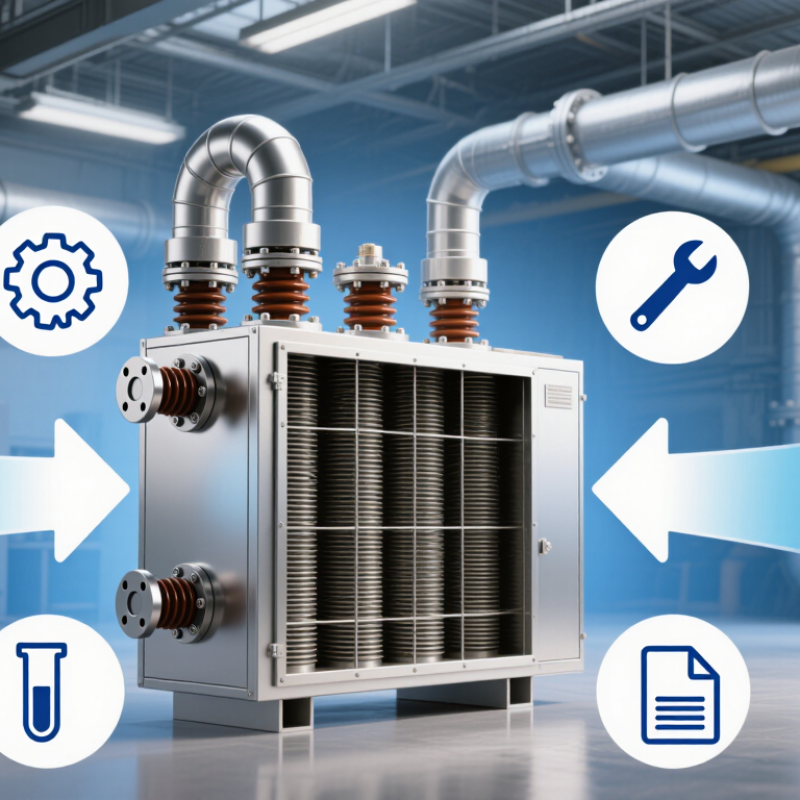
China Best Electrostatic Collector Manufacturer?

What Is an Electrostatic Collector?

What Is an Electrostatic Collector?

An electrostatic collector removes airborne particles by using electrical charge. Inside the unit, particles pass through a charging section, where they gain an electrical charge. They then move toward collector plates with an opposing charge and cling to their surfaces. The plates may look like thin metal sheets arranged in a compact stack. The process can capture some dust, smoke, and oily particles, depending on the equipment and operating conditions. Not magic. It is a controlled separation process, and performance varies.

Compared with some disposable filters, certain electrostatic designs can allow airflow with less resistance. That does not mean every unit performs equally well. Particle size, airflow speed, humidity, and plate cleanliness all matter. When the plates collect residue, the unit needs inspection and cleaning; otherwise, capture performance may decline. An electrostatic collector also does not automatically remove every gas or odor. I would check the intended application and maintenance instructions before choosing one. A clean plate is easy to overlook, yet it is central to how the system works.

What Is an Electrostatic Collector?

An electrostatic collector charges particles in a gas stream and attracts them to oppositely charged collection plates. This modeled example uses the Deutsch–Anderson equation, η = 1 − e−wA/Q, with an assumed particle migration velocity of 0.05 m/s. Actual collection efficiency varies with particle properties and operating conditions; these values are illustrative, not a performance guarantee.

How Does an Electrostatic Collector Work?

An electrostatic collector removes particles by giving them an electrical charge. Dusty gas passes between discharge electrodes and collecting plates. A high-voltage field charges suspended particles, which then drift toward the plates. The result? Dust stays behind. In dry units, periodic rapping shakes the deposits into a hopper; wet units wash them away. The cleaned gas continues through the outlet.

The U.S. EPA’s 2003 Air Pollution Control Technology Fact Sheet for electrostatic precipitators reports collection efficiencies of 99% or more for suitable designs and operating conditions. Its Air Pollution Control Cost Manual also describes how performance depends on factors such as gas flow and particle properties. Those figures are not a promise for every installation. Particle resistivity, uneven gas distribution, and dirty plates can all reduce performance. Real systems are less tidy. A diagram makes collection look effortless, but operating teams must monitor voltage, dust buildup, and hopper discharge. Small details matter. A collector should be selected for the actual gas stream, not just its headline efficiency.

What Types of Electrostatic Collectors Are Made in China?

China’s electrostatic collector range commonly includes dry plate-and-wire units, tubular collectors, wet electrostatic precipitators, and two-stage systems. In dry units, charged dust travels toward metal plates, where rapper hammers knock deposits into a hopper. Tubular designs suit certain sticky or corrosive streams. Wet systems wash collected particles from the collection surfaces, which can help control fine mist. The right choice depends on the exhaust, not just the equipment label.

The U.S. EPA’s Air Pollution Control Technology Fact Sheet: Electrostatic Precipitator reports collection efficiencies above 99% are achievable, but actual performance depends on particle properties and system design. That figure is not a guarantee. Gas flow, temperature, dust resistivity, and moisture all affect sizing. A plant engineer should check these conditions before comparing bids. Even a small change in dust chemistry can alter collection behavior.

Manufacturers may also configure power supplies, electrode shapes, rapping systems, and corrosion-resistant materials for specific processes. Wet collectors, for example, need attention to wash-water handling and surface materials. A neat catalog description cannot replace operating data. There is a catch: buyers sometimes focus on headline efficiency and overlook maintenance access. Inspect the electrode spacing, hopper layout, and service clearance. Small details matter.

How to Evaluate Chinese Electrostatic Collector Manufacturers

How to Evaluate Chinese Electrostatic Collector Manufacturers

Choosing a Chinese electrostatic collector manufacturer starts with your operating conditions, not a catalog claim. Share gas volume, temperature, humidity, particle size, and expected dust loading. Ask for a proposal stating collection efficiency, test conditions, and measurement methods. Not enough. A percentage alone tells little. Check whether the electrode arrangement, insulation, and power controls suit your process. Request drawings, material specifications, and a clear explanation of pressure drop. If figures differ between documents, pause and ask why.

Factory capability matters, but evidence matters more. Review quality records, inspection steps, commissioning support, spare-part availability, and warranty boundaries. Speak with users handling similar gas streams, then verify operating history where possible. A site visit can reveal details such as weld consistency, clean assembly areas, and safe access to maintenance points. These signs are useful, not proof. Ask whether the engineering team can explain risks like corrosion and electrode fouling. Specific answers build confidence. No checklist removes every risk; a local process constraint may be overlooked. Keep assumptions in writing and confirm them before ordering.

Which Industries Use Electrostatic Collectors?

Which industries use electrostatic collectors? Power plants use them to capture fly ash from boiler exhaust. Cement kilns collect fine mineral dust, while steel mills control fumes from furnaces and sintering lines. Pulp and paper mills also use electrostatic precipitators on recovery boilers. The US Environmental Protection Agency’s Electrostatic Precipitator fact sheet, EPA-452/F-03-028, reports typical particulate collection efficiencies of 99% or higher. Actual performance depends on dust properties and operating conditions.

The same equipment can suit different processes, but not in exactly the same way. A cement plant may handle abrasive dust, while a steel operation faces changing gas temperatures and particle loads. Food processing and chemical production may also use electrostatic systems where fine particles need control. Yet efficiency figures from a report are not a site guarantee. Dust resistivity, moisture, maintenance, and airflow can all affect results. This is the part buyers sometimes underestimate.

Tips: Ask for testing based on your actual exhaust stream, not a generic efficiency claim. Check electrode access, cleaning needs, and expected pressure drop. EPA data offers a useful benchmark, but plant measurements should guide selection.

China Best Electrostatic Collector Manufacturer? - Which Industries Use Electrostatic Collectors?

Industry Typical Process or Source Commonly Collected Particles Typical Use Important Selection Consideration
Electric Power Generation Coal-fired boiler flue gas Fly ash and other fine particulate matter Reducing particulate emissions from boiler exhaust before discharge Performance depends on factors such as dust resistivity, gas temperature, moisture, and the required emission limit.
Cement Manufacturing Kilns, raw mills, clinker coolers, and material-handling systems Cement and raw-material dust Collecting dust from process exhaust and, in suitable systems, returning it to the process Dust loading, gas conditions, and whether the process operates in kiln or raw-mill mode can affect equipment design.
Iron and Steel Electric arc furnaces and sintering processes Metal oxide fume, fine dust, and process particulates Capturing particulate emissions from furnace or sinter-plant exhaust systems Furnace emissions can vary significantly; collection systems must be designed for the actual gas flow and temperature profile.
Nonferrous Metal Processing Smelting, roasting, and refining operations Metal-bearing dust and fine particulate matter Collecting particulates from process gas, often alongside other gas-treatment equipment Corrosive or hazardous gas components may require additional treatment and compatible materials.
Pulp and Paper Recovery boilers and lime kilns Fly ash and chemical-recovery dust Particulate collection from selected boiler and kiln exhaust streams Gas chemistry, dust characteristics, and recovery-process requirements should be assessed together.
Waste-to-Energy and Incineration Incinerator or waste-combustion flue gas Fly ash and other entrained particles Removing particulate matter as part of a wider flue-gas cleaning system Electrostatic collection does not by itself remove all gaseous pollutants; complementary treatment may be required.
Food Service and Commercial Kitchens Cooking exhaust hoods and ducts Oil and grease aerosols Reducing airborne grease in suitable exhaust applications Equipment needs regular cleaning and must be selected and installed in accordance with applicable fire and ventilation codes.

Note: Electrostatic collectors are used in multiple industries, but suitability depends on the pollutant, gas conditions, operating requirements, and applicable regulations. A process-specific assessment is recommended before selecting equipment.