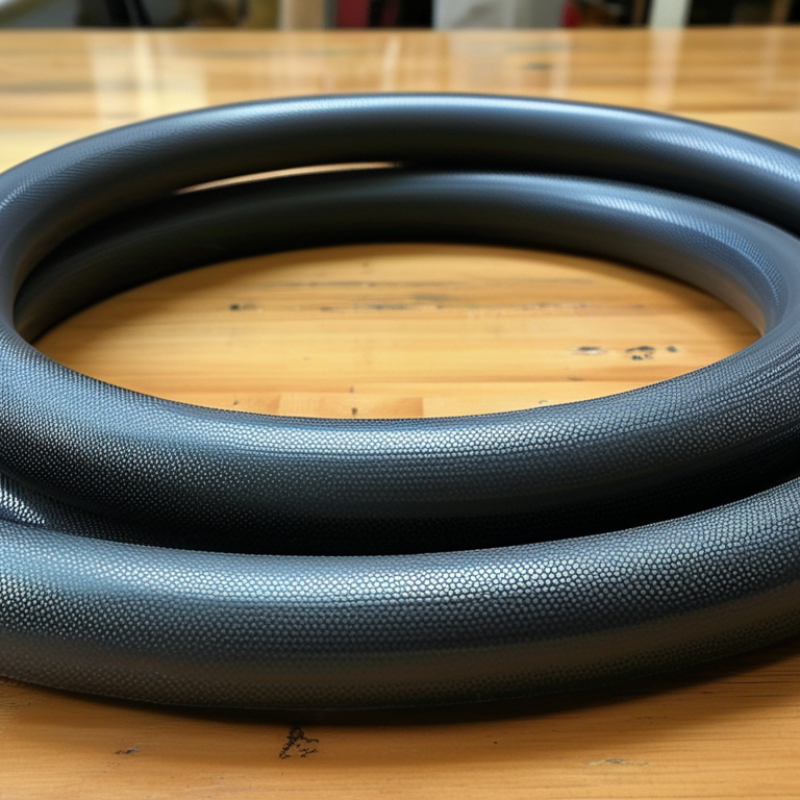
Top 10 Benefits of Using Silicone Hoses for Your Projects?
Silicone hoses have become increasingly popular in various projects. Their unique properties provide numerous advantages, making them a preferred choice for many applications. The flexibility and durability of silicone hoses stand out. They can withstand high temperatures and pressure, unlike traditional Rubber Hoses.
Engineers and designers appreciate these features. Silicone Hoses are resistant to wear and tear, helping to improve system longevity. They offer improved performance in demanding environments. Additionally, silicone hoses are lightweight, which can be crucial for reducing overall project weight.
However, it’s not all perfect. Some users might find them more expensive upfront. Still, the long-term benefits often justify the cost. In this article, we will explore the top benefits of using silicone hoses for your projects. Understanding these advantages can help anyone make informed choices.
Advantages of Silicone Hoses Over Traditional Materials
Silicone hoses offer several advantages over traditional materials, making them a preferred choice for many projects. One key benefit is their flexibility. Unlike rubber hoses, silicone can bend and twist easily without breaking. This feature is essential for installations requiring tight spaces. Furthermore, silicone is resistant to extremes of temperature. It performs well in temperatures ranging from -100°F to 500°F. This durability ensures longevity under harsh conditions.
Another significant advantage is chemical resistance. Silicone hoses can withstand various fluids, from oils to coolants. They do not degrade as quickly as rubber when exposed to these substances. This property is crucial for applications in automotive and industrial settings. Additionally, silicone hoses are lightweight. This aspect can reduce the overall weight of your project, making it easier to handle.
Despite these benefits, users should consider the cost. Silicone is usually more expensive than rubber or plastic. Balancing budget constraints with performance is critical for project success.
Durability and Temperature Resistance of Silicone Hoses
Silicone hoses stand out for their durability and temperature resistance. These hoses can withstand extreme temperatures, from -65°F to 500°F. This range makes them suitable for various applications, including automotive, industrial, and marine projects. The flexibility of silicone allows it to expand and contract without losing its shape.
Unlike rubber, silicone hoses do not degrade as easily over time. They resist cracking, fading, and hardening. This durability ensures long-term use without frequent replacements. However, users should consider proper installation techniques. Mistakes in installation can lead to leaks or reduced performance.
Temperature resistance is also a strong point. Silicone can tolerate sudden temperature changes without compromising performance. This feature is critical in high-stress environments. Yet, users must monitor their systems regularly. Even the best materials can fail if not maintained properly. Recognizing these details can help maximize the performance of silicone hoses in various projects.
Top 10 Benefits of Using Silicone Hoses
Flexibility and Customization Options of Silicone Hoses
Silicone hoses have gained popularity in various industries due to their flexibility and customization options. With an impressive temperature tolerance ranging from -65°F to +500°F, silicone hoses can adapt to diverse project requirements. They can be easily molded into different shapes and sizes, making them suitable for applications in automotive, marine, and industrial fields.
Customization is key when selecting hoses. Many manufacturers offer flexible lengths and diameters tailored to specific needs. According to a recent industry report, approximately 75% of engineers consider flexibility a primary factor in hose selection. This adaptability allows for unique designs, ensuring optimal performance while maintaining a lightweight profile.
Tips: When designing with silicone hoses, consider the bend radius. A tighter radius can lead to restrictions in flow. Evaluate your system's requirements carefully. Additionally, it’s essential to choose the right hardness level to enhance durability without sacrificing flexibility.
While silicone hoses offer excellent performance, their compatibility with certain fluids should be assessed. Some chemicals may degrade silicone over time, compromising functionality. Always consult compatibility charts to avoid costly mistakes. Investing in the right silicone product can significantly impact the overall project outcome.
Chemical Resistance and Safety Features of Silicone Hoses
Silicone hoses are known for their exceptional chemical resistance. This feature makes them ideal for various projects. They can handle extreme temperatures and aggressive substances without degrading. The flexibility of silicone also allows for easy installation in tight spaces.
Safety is another important aspect. Silicone hoses do not leach harmful chemicals into fluids, providing peace of mind. Whether in automotive applications or food processing, the integrity of the material enhances safety. They withstand ozone and UV exposure, which prolongs their lifespan.
When using silicone hoses, consider these tips. Ensure compatibility with the fluids you plan to use. Test a small section if you’re unsure. Regularly inspect your hoses for signs of wear and tear. Remember, preventative maintenance can save you time and money in the long run. Always prioritize quality over cost to avoid future issues.
Top 10 Benefits of Using Silicone Hoses for Your Projects
| Benefit | Description |
| Chemical Resistance | Silicone hoses withstand a wide range of chemicals, making them ideal for various applications. |
| Temperature Tolerance | They can operate effectively in extreme temperatures, from -60°C to 230°C. |
| Flexibility | Silicone hoses offer excellent flexibility, reducing the risk of kinking and damage. |
| Durability | They are highly durable and resistant to wear and tear over time. |
| Non-Toxic | Silicone is non-toxic, making it suitable for food and medical applications. |
| Lightweight | Silicone hoses are lightweight, contributing to overall project efficiency. |
| UV Resistance | They resist degradation from UV light, making them ideal for outdoor applications. |
| Easy Installation | Silicone hoses can be easily installed, saving time and labor costs. |
| Variety of Sizes | Available in various sizes and shapes to fit specific project needs. |
| Color and Customization | Can be produced in various colors, enhancing aesthetic appeal and brand visibility. |
Cost-Effectiveness and Longevity of Silicone Hoses in Projects
Silicone hoses are gaining popularity in various industries, thanks to their cost-effectiveness and longevity. Research indicates that silicone hoses can last up to four times longer than traditional rubber hoses. This durability is crucial for businesses that prioritize reliability and performance in their projects.
One major advantage lies in their resistance to extreme temperatures. Silicone hoses can tolerate temperatures ranging from -60°C to 200°C, maintaining their flexibility and strength. This thermal stability minimizes the need for frequent replacements, thus lowering overall costs. In a recent industry report, it was noted that companies switching to silicone hoses achieved savings of up to 30% in maintenance costs.
However, some manufacturers note that the initial investment in silicone hoses can be higher. This may deter certain businesses. Yet, considering their lifespan and lower maintenance frequency, the long-term benefits often outweigh the upfront costs. It's essential for project managers to weigh these factors carefully. Ignoring the long-term advantages can lead to increased expenses down the road.